

Dietary supplements do not replace a balanced diet
Taking a pill takes only a few seconds, while preparing a meal requires much more time. This convenience can easily create the impression that a few concentrated nutrients can compensate for skipped breakfasts, insufficient vegetables, or a long-term diet consisting mainly of rice and meat. However, dietary supplements are intended to supplement the diet and cannot replace the variety of foods needed for a healthy diet.
The difference is that a vitamin pill can provide certain micronutrients, but it does not constitute a balanced meal, provide adequate energy, or replicate the natural structure of food. Therefore, the direct answer to the question “Can dietary supplements replace a balanced diet?” is no. Their appropriate role is to help fill a specific nutritional gap after needs have been assessed, rather than to treat disease or provide a long-term remedy for an unbalanced diet.
Whole foods create a nutritional matrix
The nutritional matrix describes how protein, carbohydrates, fats, vitamins, minerals, water, and cellular structures coexist within a food. And the World Health Organization the value of a diet depends not only on individual nutrients but also on foods and the interactions among the components of the diet.
For example, an orange contains more than just vitamin C. FoodData Central from the U.S. Department of Agriculture shows that oranges also provide water, carbohydrates, fiber, potassium, and many plant compounds. Vitamin C supplements usually concentrate on ascorbic acid, sometimes with a few other ingredients, but they do not inherently replicate this entire matrix. Therefore, reducing the value of an orange to a single vitamin C number on a label overlooks many characteristics of the whole food.
Fiber and plant compounds are often overlooked
Fiber helps maintain normal bowel function, and some types of fiber are fermented by the gut microbiota. The World Health Organization’s 2023 “Carbohydrate intake for adults and children” guideline also recommends that carbohydrates come primarily from whole grains, vegetables, fruits, and legumes. In contrast, many multivitamin tablets provide little or no meaningful amount of fiber.
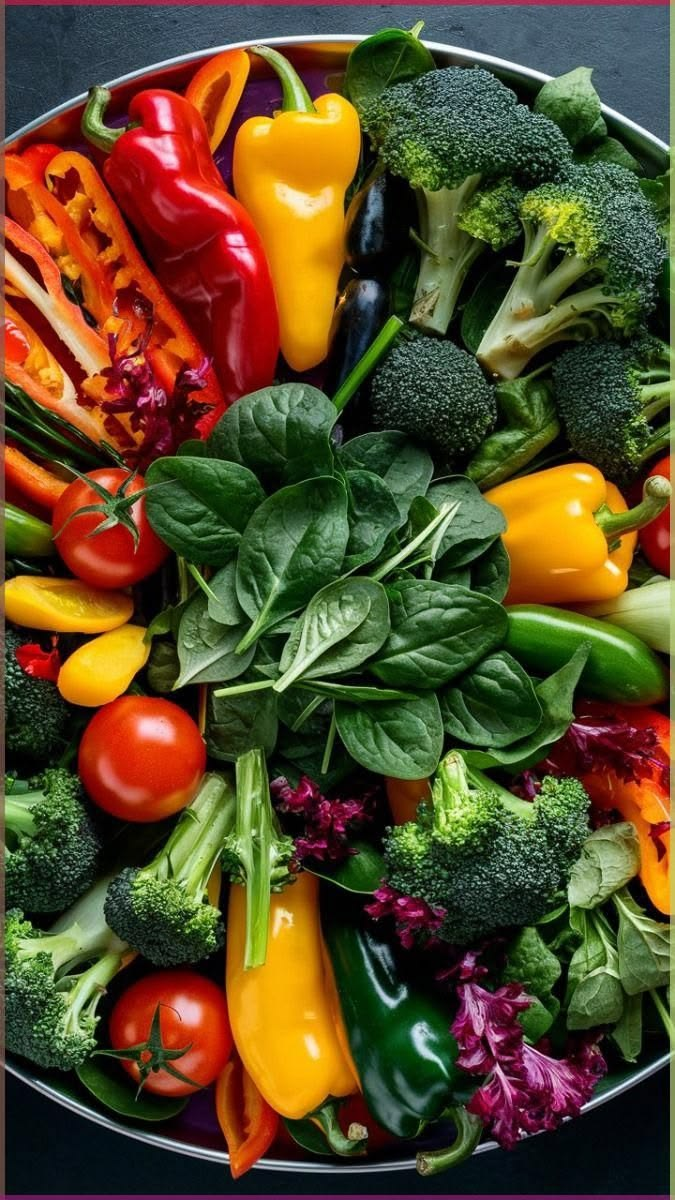
Rotating leafy green vegetables, pumpkin, tomatoes, oranges, beans, sesame seeds, and brown rice provides the diet with a wider variety of fiber and plant compounds than using a single isolated extract. The World Cancer Research Fund’s (WCRF) “Meet nutritional needs through diet” recommendation notes that the benefits observed from diets rich in plant foods cannot be assumed to be equivalent when those foods are replaced with supplements. Therefore, the words “plant-based” alone are not enough to prove that a pill is equivalent to a serving of fruit and vegetables.
Healthy meals also provide essential energy
Carbohydrates, fats, and proteins are energy-yielding nutrients; protein also supplies amino acids for tissue maintenance and repair. Vitamins and minerals participate in many physiological processes, but they cannot replace these three groups in providing energy.
Imagine someone skipping lunch and taking a multivitamin instead. By mid-afternoon, that person may still feel hungry and tired because the pill does not provide a serving of rice, potatoes, or bread, nor does it contain as much protein as fish, eggs, or tofu. A healthy diet must ensure adequacy, balance, moderation, and diversity. This is the most important point: a meal provides energy, nutrients, and satiety at the same time, rather than merely meeting a few targets on a label.
Absorption and risks associated with dietary supplements
Many people assume that a higher dose means the body receives more. The problem is that the amount stated on the label does not necessarily equal the amount absorbed and used. Bioavailability can vary depending on the nutrient’s chemical form, foods consumed with it, nutritional status, and each person’s physiological characteristics.
Continually increasing the dose based on intuition can lead to overlapping doses from multiple products or interactions with medications. A cautious approach is to review the diet, the total dose from all sources, and the list of medications being taken. A product with more ingredients is not inherently more suitable; each ingredient should have a clear purpose.
Meal composition partly determines bioavailability
Vitamin D, vitamin E, and vitamin K, these are fat-soluble vitamins, so dietary fat can support their absorption. This does not mean meals must be high in fat; a meal containing fish, eggs, milk, avocado, or an appropriate amount of cooking oil generally creates a different context from taking a supplement indiscriminately on an empty stomach.
Nutrients can also affect one another. The NIH ODS “Vitamin C – Health Professional Fact Sheet” notes that vitamin C enhances the absorption of nonheme iron from plant foods; the NIH ODS “Iron – Health Professional Fact Sheet” also states that calcium may interfere with iron bioavailability when the two are taken together. Because there is no universal “golden hour” for every product, users should follow the label and the instructions of their doctor or pharmacist.
Age and medical conditions affect absorption
Nutritional needs vary with age, pregnancy, and health status. Urgeries affecting the stomach or intestines can reduce the absorption of specific micronutrients. Liver and kidney function, as well as current medications, should also be reviewed by a healthcare professional before selecting a product.
Therefore, people should not copy the dosage used by a family member or online influencer. A vegan, a pregnant woman, and someone who has undergone gastrointestinal surgery may all be concerned about vitamin B12, but the reasons, dosages, and monitoring requirements differ. Fatigue alone is also insufficient to diagnose a micronutrient deficiency because it has many possible causes.
Overlapping doses and interactions can be harmful
Fat-soluble vitamins can be stored in the body; excessive use of certain vitamins, particularly vitamins A and D, can cause adverse effects. Overlapping doses often occur when someone takes a multivitamin, a vitamin D-containing “bone support” product, and a single-ingredient vitamin D tablet while reviewing each label separately.
In addition, the NIH ODS “Vitamin K – Health Professional Fact Sheet” warns that vitamin K can interact seriously with anticoagulants such as warfarin; calcium or iron can also affect certain medications if taken at inappropriate times. Anyone taking anticoagulants, thyroid medication, or other prescription drugs should provide their doctor or pharmacist with a complete list of products for review before adding a supplement.
Using dietary supplements according to your needs in 5 steps
The practical principle is to prioritize food and supplement only identified gaps. Supplements can be helpful when a specific nutrient cannot be obtained in sufficient amounts from the diet, but they should not replace a varied range of foods. Selection should therefore begin with dietary data and a health assessment, not advertising or vague symptoms.

Four situations in which micronutrient supplements may be needed
Certain circumstances carry specific nutritional risks. The following table helps distinguish the basis for assessment rather than providing a universal dosage for everyone.
Situations in which professional support should be considered
Situation | Risk to consider | Assessment method | Monitoring |
|---|---|---|---|
Pregnancy | Folate, iron, and stage-specific micronutrients | Prenatal checkups, dietary assessment, and testing when needed | Obstetrician |
Restrictive diet | Deficiency in specific nutrient groups | Food diary and extent of dietary exclusion | Nutrition professional |
Confirmed nutrient deficiency | Severity and cause of the deficiency | Medical examination and appropriate tests | Periodic reassessment |
Malabsorption disorder | Poor absorption of one or more nutrients | Medical history and gastrointestinal assessment | Medical specialist |
The WHO’s 2016 guideline “WHO recommendations on antenatal care for a positive pregnancy experience” recommends iron and folic acid supplementation for pregnant women as part of antenatal care, but implementation should follow national guidelines and professional advice. For vegans, people with multiple food allergies, or those who eliminate entire food groups, NIH ODS encourages an assessment of the relevant nutrient sources, particularly when the risk of deficiency depends on the actual extent of restriction.
Five steps for using dietary supplements safely
The following process turns the decision to purchase a product into a purposeful and verifiable activity:
Keep a 3–7-day diary: record all foods, beverages, estimated quantities, meal times, and every product being used.
Identify the gap: consult a doctor or nutrition professional; undergo testing only when appropriately indicated.
Read the entire label: check the amount per dose, frequency of use, duplicate ingredients, warnings, and expiration date.
Monitor with a specific goal: record the symptoms or indicators requested by a professional rather than relying on a general impression.
Reassess: adjust or discontinue the product within the recommended timeframe when it is no longer needed.
Users should inform healthcare professionals about every dietary supplement they take because ingredients may interact with medications or affect certain procedures. Do not automatically choose a dose higher than necessary, and do not use expired products.
A varied diet remains the daily foundation
Before adjustment, a diet may be monotonous: only coffee for breakfast, few vegetables at lunch, and meat-heavy dinners. After restructuring, each main meal can include vegetables or fruit; rice, potatoes, or grains; a protein source such as fish, eggs, tofu, or meat; and an appropriate amount of fat. Food proportions and quantities should be adjusted according to age, physical activity level, cultural context, and health status.
The bridge between these two states is not another pill, but a systematic review. Rotating vegetables, fruits, legumes, nuts, seeds, and protein sources each week also helps increase variety instead of maintaining a poor diet and then trying to “compensate” with supplements.
Record your diet for 3–7 days and photograph the labels of all products you currently use, then take this complete information to a doctor or nutrition professional before purchasing anything else.
This product is not a medicine and is not intended to replace medicines used to treat disease.