

A cup of Ngọc Linh ginseng leaf tea in the evening may seem like a gentle way to unwind, but for sensitive individuals, this habit may make it harder to fall asleep or cause nighttime urination. So, should you drink it in the morning or evening? The best time depends on your individual sensitivity, the amount of leaves, the volume of water, and your meals, but morning is generally a more suitable time for an initial trial. The article below explains how to choose when to drink it, brew about 5 g of leaves, and monitor your response for 3–7 days.
Morning is more suitable for drinking Ngọc Linh ginseng leaf tea
Drinking the tea in the morning provides a longer monitoring period during the day. If restlessness, stomach irritation, nausea, or other discomfort occurs, it is easier to notice and make adjustments than when drinking it close to bedtime. This is particularly useful for first-time users, as reactions and tolerance can vary from person to person.
If your work schedule does not allow you to drink it in the morning, early afternoon is an alternative. Those who already have difficulty sleeping should finish it early and avoid drinking it into the late afternoon. However, there is no single time frame that suits everyone. Whole leaves, chopped leaves, tea strength, water volume, and the directions on the label can all affect how it should be used.
A practical rule is to start early in the day, use a low amount according to the label, and make changes only after observing your response.
Drinking it 30 minutes after breakfast may be gentler on the stomach
For people with sensitive stomachs, drinking it about 30 minutes after breakfast is generally easier than drinking it on an empty stomach. Food provides a base for the digestive system, which may help reduce stomach irritation or discomfort. Choose a moderate breakfast and avoid drinking the tea immediately after an overly large meal.
Even people accustomed to drinking tea on an empty stomach should exercise caution when using Ngọc Linh ginseng leaves for the first time. Brew a small amount as directed, sip it gradually, and do not increase the amount on the first day. If nausea, abdominal pain, or any unusual sensation occurs, stop using it rather than trying to finish the entire pot.
Ginseng leaf tea in the evening may affect sleep
The issue often begins subtly: drinking tea late, having trouble falling asleep, and then feeling tired the next morning. For sensitive individuals, the time of consumption may be associated with restlessness or changes in sleep. A simple solution is to move the cup of tea to the morning or early afternoon and monitor your response again for several days.
Volume matters just as much as timing. Even lightly brewed tea consumed as a large pot close to bedtime increases fluid intake, which may lead to more frequent nighttime urination and interrupted sleep. If you have experienced insomnia, do not continue drinking it in the evening simply because it has become a habit.
How to drink Ngọc Linh ginseng leaf tea using 5 g of leaves
Read the product label carefully before brewing. Whole leaves, chopped leaves, and tea bags may differ in the recommended amount, water volume, and steeping time. The 5 g of leaves mentioned below is only a reference point when consistent with the product instructions, not a default dose for everyone.
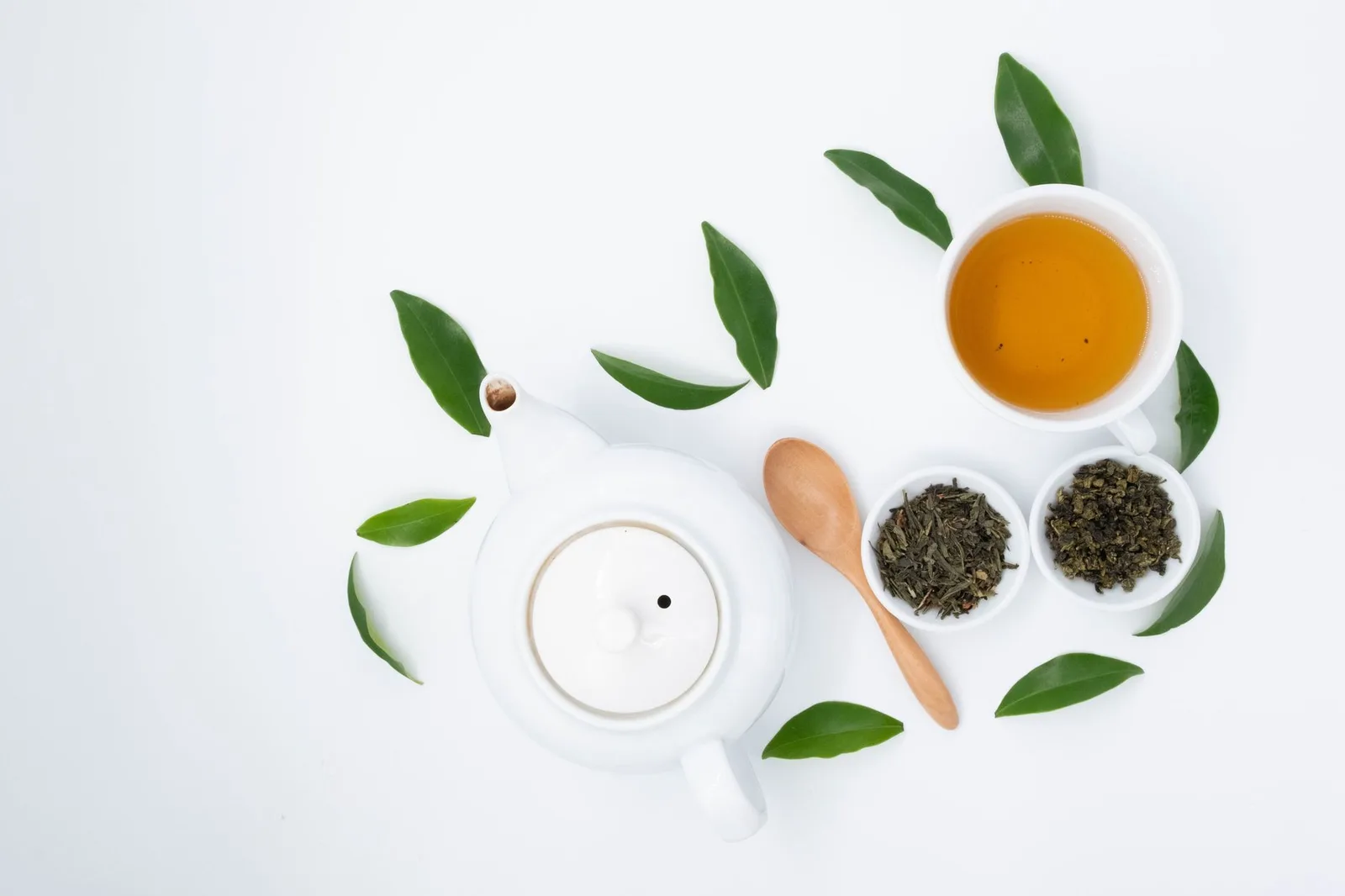
Once brewed, the tea should be consumed the same day and stored according to the instructions. Do not leave it overnight, especially at room temperature. Discard the tea if it develops an unusual odor, abnormal color changes, a sour taste, or signs of spoilage. Its benefits should also be understood only in terms of the supportive claims permitted on the label and should not be interpreted as an ability to treat disease.
Three steps to brew tea in 5–10 minutes
- Step 1: Weigh about 5 g of leaves or use the exact amount stated on the package. Place the leaves in a clean teapot; rinse them briefly only if permitted by the product instructions.
- Step 2: Add hot water in the recommended volume, cover, and steep for 5–10 minutes. New users should not increase the amount of leaves on their own to make the tea stronger.
- Step 3: Pour the tea into a cup and drink moderate amounts at a time. Monitor your total fluid intake throughout the day; any remaining tea should be stored and consumed according to the instructions.
A helpful tip is to use a kitchen scale rather than estimating by hand. Dried leaves vary in size, so “a handful” today may differ significantly from one tomorrow, making it difficult to assess tolerance accurately.
An easy daily schedule for drinking ginseng tea
New users can begin 30 minutes after breakfast, use a low amount according to the label, and avoid drinking it multiple times on the first day. This helps distinguish the tea's effects from those of hunger, coffee, or other beverages.
People who are busy in the morning can switch to early afternoon, but those who have had difficulty sleeping should set a fixed cutoff time. Avoid consuming an entire large pot late in the day. Dividing the amount appropriately and drinking it early makes monitoring easier while reducing the need to wake up to urinate.
A 3–7-day journal to determine when to drink ginseng tea
When you are unsure whether the tea suits your body, memory is often not accurate enough. A short 3–7-day journal is more useful. Each day, record the time you drink it, the amount of leaves, the volume of water, the interval between drinking and meals, your bedtime, how easily you fall asleep, and the number of times you urinate during the night.
Change only one factor at a time. For example, switch from early afternoon to morning while keeping the amount of leaves and water unchanged. If you change the time, increase the amount, and drink it on an empty stomach all at once, it will be difficult to identify the cause of any discomfort. The journal is only an observation tool, not a basis for diagnosing health conditions.
Signs that you should reduce the amount or stop using it
Reduce the amount or switch to an earlier time if you experience restlessness, difficulty sleeping, stomach irritation, nausea, or increased nighttime urination after drinking it. Do not assume that every discomfort is merely part of the body “adjusting” and continue using the same amount.
If you experience signs of a suspected allergic reaction or symptoms that are pronounced or persistent, stop using it and contact a healthcare provider. When speaking with a doctor or pharmacist, your journal documenting consumption times, amounts, and symptom progression will provide more specific information.
Groups that should consult a healthcare professional before drinking it
People who are pregnant or breastfeeding, children, those with underlying medical conditions, and anyone preparing for surgery should consult a doctor before use. People taking medication should provide their doctor or pharmacist with the exact medication names, doses, and frequency of use so that the risk of interactions can be assessed.
Before starting, you may still be uncertain about choosing morning or evening. After 3–7 days of controlled monitoring, the choice will become clearer. The process is simple: read the label, use 30 minutes after breakfast as your initial trial time, record your response, and seek medical advice when necessary. Do not stop prescription medication on your own or increase the amount of tea simply because you have not experienced the desired effects.