
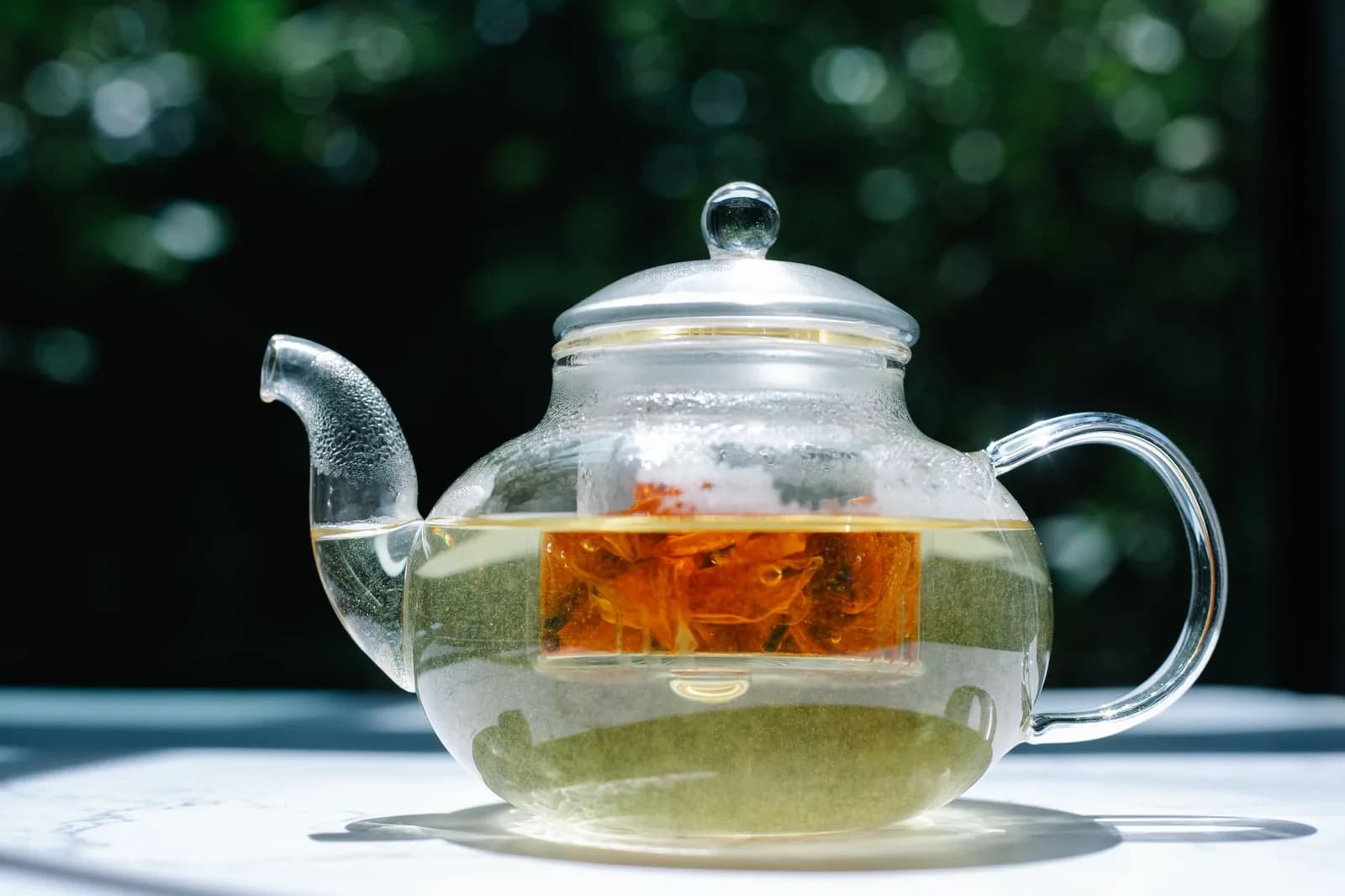
Preparing Ngọc Linh Ginseng Leaves for Different Types of Tea
A pot of Ngọc Linh ginseng tea can taste harshly bitter, watery, or almost lose its aroma simply because the water is a few degrees too hot or the steeping time is a few minutes too long. When brewing by intuition, users often add more leaves to “rescue” the flavor, but this only makes the result harder to control. By determining the right amount of leaves, temperature, and steeping time, you can make a gently aromatic cup of tea with mild bitterness and a balanced finish.
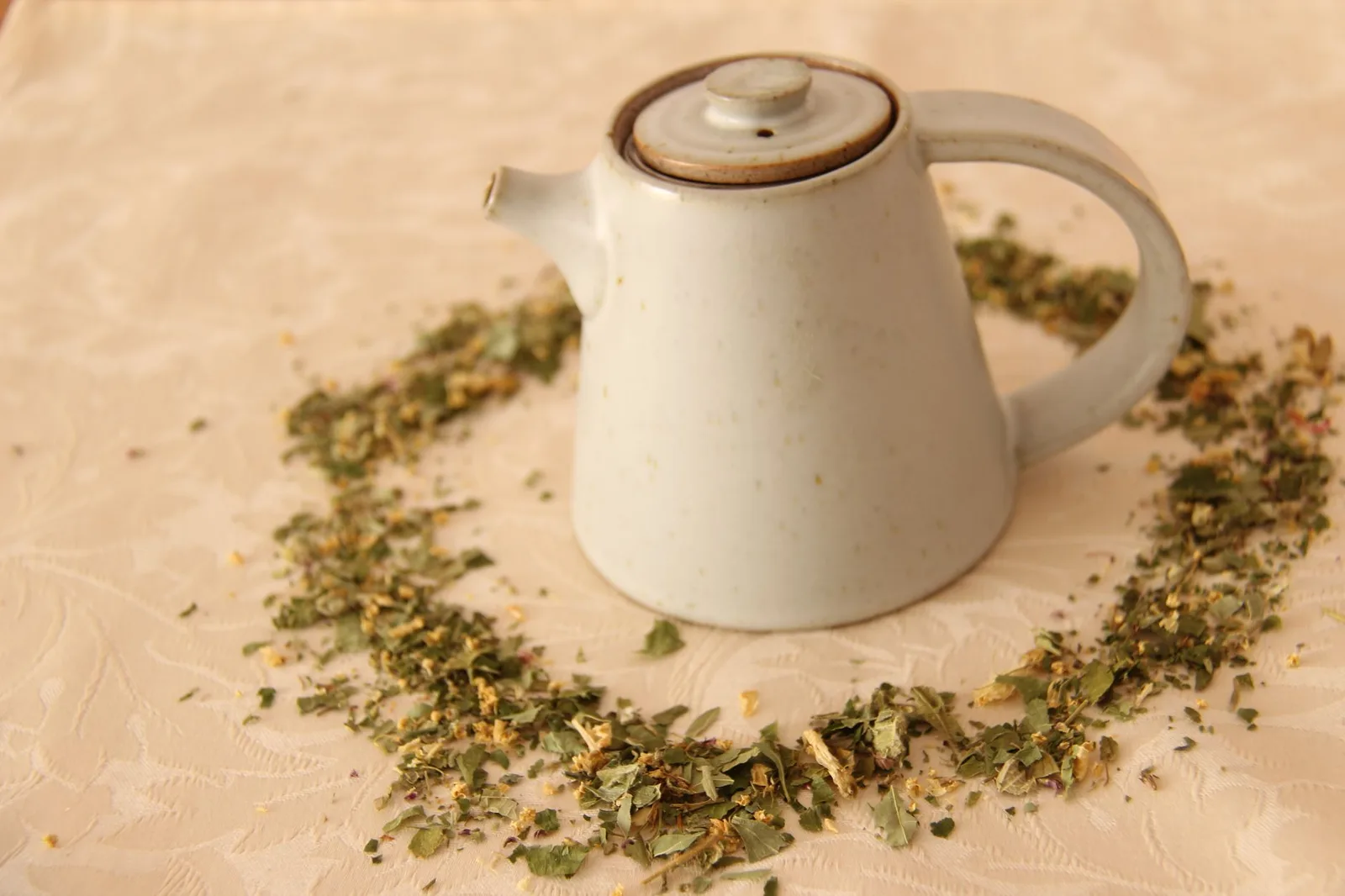
Temperature determines how quickly the components dissolve into the water. The hotter the water, the faster the extraction process, but this does not necessarily mean the tea will taste better. Excessive heat can easily overwhelm the delicate aroma with an intense flavor; conversely, if the temperature is too low, the leaves may not have time to unfurl and the tea may lack depth.
Three easy-to-remember starting parameters are 3–5 g of leaves, 150–300 ml of water at 70–90°C, steeped for 5–15 minutes.
These are reference ranges, not a fixed recipe for every product. The form and maturity of the leaves, roasting and drying levels, and blended ingredients can all affect how the tea should be brewed.
Measuring 3–5 g of Leaves and 150–300 ml of Water
For the first brew, use a precision scale to measure 3 g of leaves and 200 ml of water. This mild recipe allows you to clearly identify the aroma, bitterness, and finish before increasing the amount to 4–5 g. Do not estimate using a “handful of leaves,” because whole, broken, and rolled leaves have very different weights even when they occupy the same volume.
Porcelain or glass teapots retain little odor and are suitable for observing the color of the tea. You should also prepare a thermometer, a timer, and filtered water or lightly mineralized water without chlorine or metallic odors. Before brewing, pour hot water around the inside of the teapot and then discard it. Warming the teapot helps prevent a sudden drop in temperature and keeps the extraction process more stable.
Preparing Fresh Leaves, Dried Leaves, and Tea Bags
For fresh leaves, remove any bruised parts, rinse gently under clean running water, and leave them to drain. Young, soft, thin leaves usually extract more quickly, so you can lower the temperature or shorten the steeping time. Older, thicker leaves require a slightly higher temperature.
For dried leaves, simply check their crispness, color, and aroma. Do not soak or rinse them for too long, as the water may wash away their aroma before brewing. Do not use leaves if you detect moisture, mold, or an unusual sour smell. Tea bags may contain ginseng leaves blended with other herbs; in that case, prioritize the instructions on the packaging rather than mechanically applying the recipe intended for pure leaves.
5 Steps for Brewing Ngọc Linh Ginseng Tea at 70–90°C
A consistent process helps beginners reproduce the flavor and identify exactly which factor needs adjustment. You can start with 70–80°C for dried leaves; fresh leaves are generally suitable for 80–90°C, depending on their maturity, thickness, and your taste.
If you do not have a thermometer, boil the water, pour it into a clean container, and let it cool before brewing. However, the cooling time varies with the container's capacity and room temperature, so a thermometer remains the most accurate option for the first few brews. Record four measurements: the amount of leaves, the amount of water, the temperature, and the number of minutes steeped. Change only one parameter at a time to preserve a clear basis for comparison.
Steps 1 to 3: Controlling the Amount of Leaves, Water, and Steeping Time
- Weigh the leaves and warm the teapot: measure 3–5 g of leaves and 150–300 ml of water, then rinse the teapot with hot water. An easy starting recipe to assess is 3 g of leaves with 200 ml of water.
- Adjust the temperature: heat the water and let it cool to 70–80°C for dried leaves or 80–90°C for fresh leaves. Do not automatically use water at 100°C for every type of leaf.
- Time the steep: pour water evenly over all the leaves, cover, and start with 5 minutes. You can gradually increase the time, but do not exceed 15 minutes unless the packaging provides different instructions.
When pouring, a moderate stream helps the leaves make even contact with the water without breaking them apart. Do not repeatedly open the lid to check, as heat and aroma will escape quickly, making it difficult to compare the results of different brews.
Steps 4 and 5: Refining the Flavor Through 2–3 Infusions
- Pour out all the tea: when the time is up, transfer all the tea to a cup or serving pitcher. Do not leave some water steeping with the leaves, as the last portion will usually become more bitter.
- Re-steep appropriately: the leaves can be used for another 2–3 infusions while their aroma and flavor remain. For each infusion, slightly increase the temperature or extend the steeping time by 1–2 minutes; stop when the tea becomes too weak or develops an unusual smell.
Before modifying the recipe, assess the aroma, strength, and finish separately. If the tea is bitter, lower the temperature by about 5°C or shorten the steeping time by 1–2 minutes next time. If the tea is weak, prioritize gradually increasing the steeping time or amount of leaves rather than increasing all three parameters at once.
4 Mistakes That Cause Ngọc Linh Ginseng Tea to Lose Its Flavor
Harshly bitter tea, loss of aroma, or difficulty sleeping after drinking it is often related to the brewing method and time of consumption. The problem can be compounded when users assume weak tea means too few leaves and continually increase the amount. The appropriate solution is to identify four specific mistakes and correct them one by one.
The first mistake is using boiling water at 100°C for every ingredient. Start at 70–80°C and only increase the temperature when the leaves are old or thick, or when the tea is still too weak. The second mistake is steeping for more than 15 minutes in the hope of extracting more beneficial compounds. A prolonged steep can unbalance the flavor and does not necessarily provide greater health benefits.
The third mistake is adding honey while the tea is still too hot. Wait until the tea is warm, then add a small amount and stir well so the sweetness does not mask the natural finish. The fourth mistake is drinking it close to bedtime. For sensitive individuals, this may cause alertness or restlessness; morning and early afternoon generally make it easier to monitor your reaction.
When to Drink and How to Store the Tea to Maintain Its Quality
Start with a small amount after breakfast or in the early afternoon. Avoid drinking it on a very empty stomach, and do not consume it close to bedtime if your body has previously reacted with difficulty relaxing. Keeping a short log of the time, amount of tea, and your reactions throughout the day will be more useful than making arbitrary adjustments.
The leaves should be stored in sealed packaging in a dry place away from light and heat, ideally at a temperature below 30°C. Brewed tea should be consumed within the day; utensils must be washed thoroughly and left to dry. Do not leave a pot of tea at room temperature for several hours and then continue adding water. Discard leaves that show unusual discoloration, moisture, mold, or an unusual odor.
Signs That You Should Stop Drinking Ngọc Linh Ginseng Tea
Stop using it if you experience persistent insomnia, heart palpitations, headaches, digestive discomfort, a rash, or other unusual symptoms. Seek medical advice if the symptoms are severe, persistent, or progressively worsen. Pregnant or breastfeeding women, children, people with underlying health conditions, and those taking medication should consult a doctor or pharmacist before regular use to reduce the risk of interactions and adverse effects.
If your tea has often been too bitter or lacked aroma, a controlled recipe will produce more consistent results. Start with 3 g of dried leaves and 200 ml of water at 75°C for 5 minutes. Record your impressions, then adjust only the temperature, time, or amount of leaves in the next brew. This is the simple bridge from a pot of tea brewed by intuition to a balanced cup suited to your individual response.