
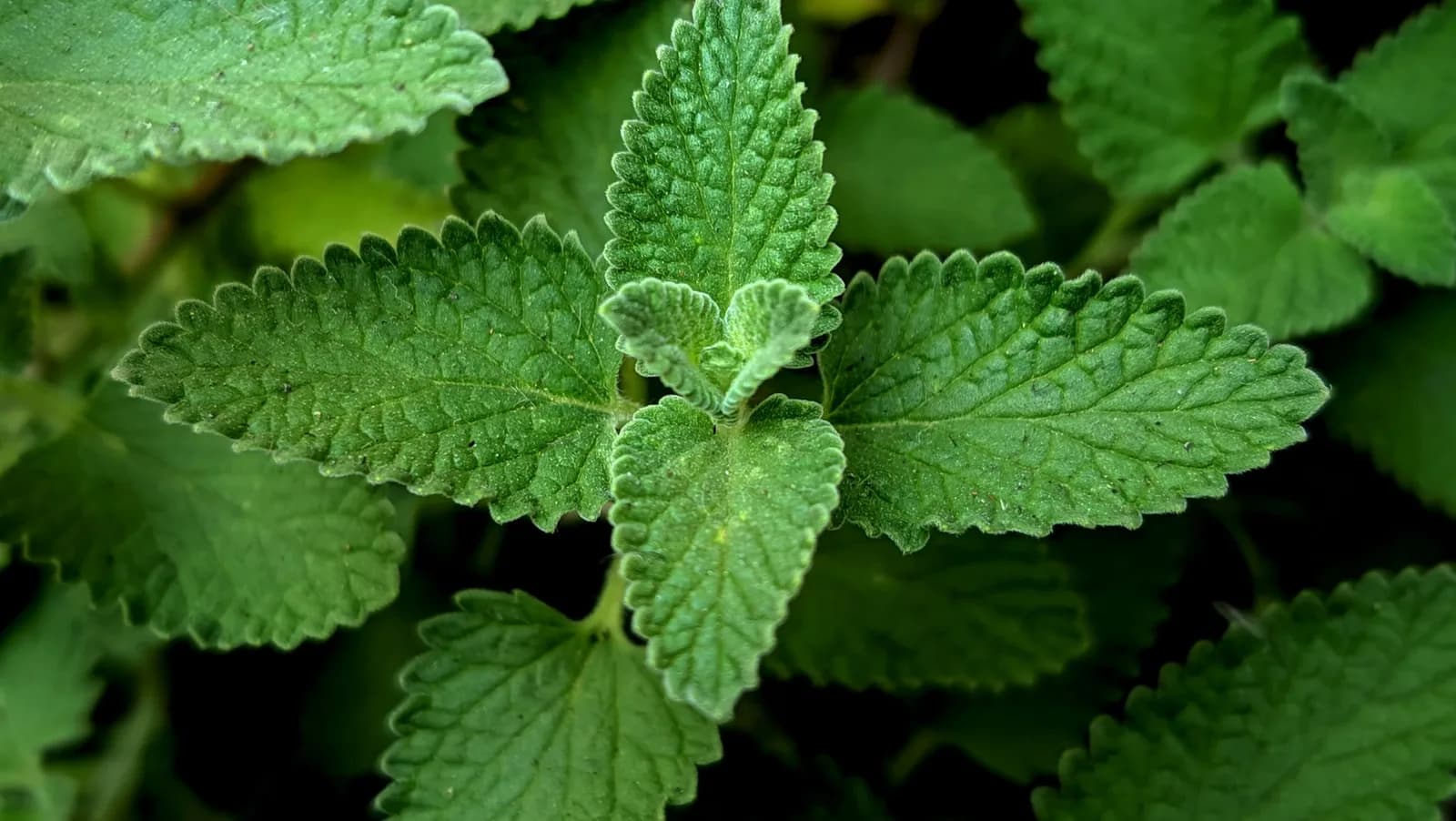
Although both are Sâm Ngọc Linh leaves, why can one kilogram of fresh leaves look plump and lush green, while dried leaves are light, brittle, and have a stronger aroma? Differences in water content, processing, and storage mean the two forms cannot be compared simply by price or weight. Properly understanding their characteristics helps users avoid brewing them too strong, buying too much, or storing them incorrectly. The article below analyzes practical criteria for making a suitable choice rather than hastily concluding that one form is better.
Comparing fresh and dried Sâm Ngọc Linh leaves
Fresh leaves often feel more “natural” because of their green color and distinct botanical aroma. Dried leaves, meanwhile, are more convenient to transport, portion, and store. However, appearance alone is insufficient to determine quality. A batch of fresh leaves stored at the wrong temperature can deteriorate quickly, while dried leaves that remain damp or were dried under unhygienic conditions may also spoil.
The following table presents seven differences to consider before purchasing and using them:
Comparison of fresh and dried Sâm Ngọc Linh leaves
| Criterion | Fresh leaves | Dried leaves |
|---|---|---|
| Moisture content | Usually contain a great deal of water | Moisture content is usually significantly reduced |
| Equivalent weight | Usually heavier due to their water content | Usually lighter, with no fixed conversion ratio |
| Color | Usually green | May be dark green or discolored |
| Flavor | The botanical aroma may be quite distinct | The aroma and flavor are often concentrated or altered |
| Preparation | Wash, drain, slice, or gently crush | Measure the correct amount and keep dry |
| Convenience | Require preparation and refrigeration | Easy to carry and divide into servings |
| Storage | Refrigerate and use promptly | Keep in sealed packaging in a cool, dry place |
Drying removes some of the water, so the leaves are usually lighter and may have a stronger flavor per unit of weight. This does not mean dried leaves always contain more valuable components, nor does it prove that fresh leaves retain all their original components. Quality also depends on the growing region, harvest time, drying temperature and duration, packaging, testing, and storage conditions.
Whether the leaves are fresh or dried is only one criterion; it cannot be used alone to assess the effects or quality of Sâm Ngọc Linh leaves.
Moisture content affects weight and shelf life
Fresh leaves contain a great deal of water, making them susceptible to bruising, wilting, or spoilage if transported over long distances without continuous refrigeration. Therefore, the price of one kilogram of fresh leaves should not be compared directly with that of one kilogram of dried leaves. The water lost during drying creates a substantial difference in actual weight.
Buyers may consider fresh leaves if they plan to use them soon and can keep them refrigerated. Dried leaves are generally more convenient when long-term storage or pre-portioned servings are needed. However, a single fresh-to-dried conversion ratio should not be applied to every product because leaf maturity, drying methods, and final moisture content may vary between batches. The information on the label or the manufacturer’s instructions provides an appropriate basis for determining the amount to use.
Color and flavor also reflect the drying method
Fresh leaves are usually green, may have a soft surface, and possess a fairly distinct botanical aroma. After drying, the leaf blades generally become brittle and may darken; their aroma and flavor may also become concentrated or change. These are common sensory changes and are insufficient to determine whether a product meets quality standards.
Drying temperature is only one part of the process. Drying time, airflow, the thickness of the leaf layer, equipment hygiene, and final moisture content are all important considerations. A batch with an attractive green color or strong aroma still requires appropriate batch records and test results; sensory inspection cannot replace the assessment of quality and safety criteria.
How to use each form of Sâm Ngọc Linh leaves
A common mistake is using the same “handful of leaves” for both fresh and dried forms. Fresh leaves are heavy because they contain water, whereas dried leaves are light and bulky; estimating amounts this way may result in an infusion that is too weak or too strong. When serving sizes constantly vary, users may also find it difficult to track how much they have consumed.
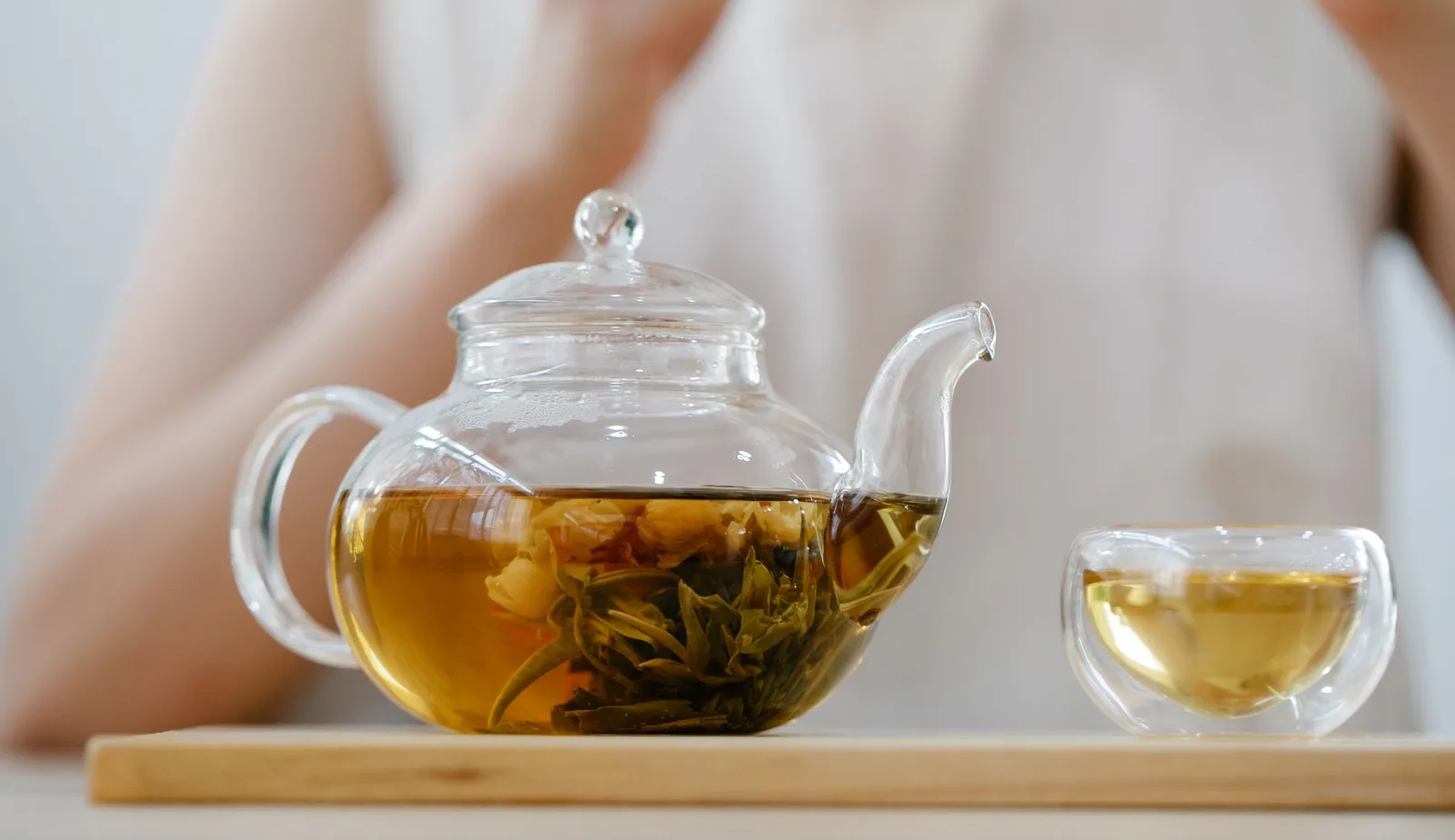
When using a specific product, weigh or measure the serving indicated on the label and start with a small amount the first time. There is no single daily quantity suitable for every type of leaf because the cut, dryness, and processing specifications vary. Do not assume that a stronger infusion is necessarily more beneficial.
In addition, avoid combining multiple medicinal herbs on your own or consuming them with stimulating beverages when their interactions and total intake are unclear. If following a medical treatment plan, users should continue to comply with medical instructions and must not use Sâm Ngọc Linh leaf tea to alter their medication or follow-up schedule.
How to use fresh Sâm Ngọc Linh leaves safely
Before brewing, discard bruised, waterlogged, yellowed, or mold-spotted leaves; rinse gently under clean water and allow them to drain. Slice or gently crush them only as needed using clean utensils. Then steep or simmer them using the amount of water and duration appropriate for the product form.
Prepare only enough for the day and avoid leaving the infusion at room temperature for too long. Place unused leaves in a clean container or bag in the refrigerator, separate from raw meat, fish, and strongly scented foods. Even if they still look fresh, the leaves must be used within the period recommended by the seller.
How to brew dried Sâm Ngọc Linh leaves using the correct amount
For dried leaves, a small digital scale provides more accurate portion control than measuring by hand. The size of the leaf pieces, brittleness, and moisture content vary between batches, so one “handful” may differ considerably from another. If the label recommends a quick rinse, use clean utensils and then steep the leaves with the specified amount of water, temperature, and duration.
Seal the packaging immediately after each use and use only a dry spoon. Moisture entering the package can cause the leaves to soften, clump, or develop an unusual odor. If you notice abnormal discoloration, signs of insects, or mold, discard the leaves rather than attempting to roast or dry them again for continued use.
Choosing Sâm Ngọc Linh leaves for 3 types of use
Buyers may choose fresh leaves if they have access to newly harvested leaves, plan to use them soon, and can maintain suitable refrigeration. If they need to store them, travel frequently, buy them as gifts, or pre-portion servings, sealed dried leaves will be more convenient. Regardless of the form selected, traceability, storage conditions, and the product’s actual condition should remain priorities.
Origin and 5 indicators that help prevent mistaken purchases
Before making payment, check these five details in sequence: the product name and processing form; the growing location or raw-material region; the responsible entity; the batch number, production date, and expiration date; and verifiable testing documents. Invoices, return policies, and batch-level traceability are more practically valuable than advertising claims.
The palmate compound leaf structure and serrated edges may assist with an initial visual assessment, but they are insufficient to verify origin. Visual authentication becomes even more difficult once the leaves have been cut into small pieces or dried. A high price, attractive photographs, color, or a strong aroma does not constitute definitive proof of origin.
Storage and safety precautions for regular use
After selecting the form best suited to your needs, use the correct storage method to prevent fresh leaves from wilting in the refrigerator or dried leaves from absorbing moisture after the bag has been opened repeatedly.
Fresh leaves must be refrigerated and used promptly; dried leaves must be kept sealed in a cool, dry place away from sunlight, moisture, and heat sources. Before each use, inspect the product and discard it if there is an unusual odor, abnormal discoloration, or any sign of mold.
Stop using the product if you experience any unusual symptoms. Pregnant or breastfeeding women, children, people with underlying conditions or a history of allergies, and those taking medication should consult a doctor or pharmacist before regular use. Do not continue using leaves that have become moldy or deteriorated, even if the packaging has not yet reached its expiration date.
Choose fresh leaves if you can use them promptly and maintain refrigerated conditions; choose dried leaves if you need to store, carry, or divide them into individual servings. Before purchasing, directly check the batch number, expiration date, packaging condition, and dosage instructions on the label.
This product is not a medicine and is not intended to replace medical treatment.