A package of Ngoc Linh ginseng leaves is usually much more affordable than the root, but can these two parts be used interchangeably? The difference is not limited to price. Their position on the plant, harvest cycle, saponin profile, and forms of use all differ. Understanding these factors helps buyers avoid unrealistic expectations while choosing a product suited to their goals, budget, and health condition.
Five differences between Ngoc Linh ginseng leaves and roots
Ngoc Linh ginseng leaves are the above-ground part of the Panax vietnamensis plant. Harvesting time may vary depending on cultivation practices and the plant’s condition; whether mature or young leaves are preferred also depends on each facility’s procedures and the need to preserve the plant’s photosynthetic capacity. Meanwhile, the part commonly called the “root” actually consists of the underground rhizome and roots, where the plant accumulates substances over many years of growth.
Because they come from the same plant species, both the leaves and roots may contain saponins. However, the composition and proportions of these compounds are not entirely identical. Therefore, information about the roots should not be applied wholesale to leaf tea, leaf powder, or leaf extract.
Five fundamental differences between the leaves and roots
| Criterion | Ngoc Linh ginseng leaves | Ngoc Linh ginseng roots |
|---|---|---|
| Position | Above ground | Below ground |
| Harvesting | According to the season and each facility’s procedures | After many years of growth |
| Saponin profile | Characteristic of the leaves | Characteristic of the rhizome and roots |
| Forms of use | Tea, powder, extracts | Slices, powder, extracts, infusions |
| Cost | Usually more affordable | Usually higher |
Each ingredient has its own characteristics, processing methods, and intended uses.
Characteristics of Ngoc Linh ginseng leaves that help identify the correct plant part
The leaves are generally palmately compound and grow in a whorl near the top. Each cluster has several leaflets, with the central leaflet usually larger and finely serrated along the edges. Their size and shape may vary depending on the plant specimen and growing conditions. When properly dried, the leaves retain a relatively distinct shape, turn dark green, and have an herbal aroma, although their dried appearance may still vary with processing temperature. The shape, color, and smell of dried leaves are useful only for an initial visual assessment and are insufficient to confirm the correct species, growing region, or product quality.
Leaf-harvesting times may vary according to the growing region, weather, cultivation practices, and plant condition. This is only reference information, not a sole means of authentication. A bag of leaves with an attractive color or described as “harvested in the proper season” must still be checked against the packaging information and documentation for that specific batch.
Harvest cycles create differences between ginseng leaves and roots
Leaves can be harvested seasonally in suitable amounts so that the plant can continue maintaining its rhizome for the next cycle. By contrast, harvesting the roots means removing the part that has accumulated substances over many years. This difference helps explain why the supply and prices of these two ingredients are not the same.
Tea bags, dried leaves, and leaf powder are convenient for daily routines because they are easy to measure and prepare. Roots are usually associated with more specific usage needs while requiring a larger budget and more rigorous authentication. The important thing is to choose according to actual needs rather than assuming that the more expensive form is always more suitable.
Saponins and the effects of ginseng leaves must be properly understood
A common problem is that buyers hear the word “ginseng” and treat every part of the plant as equivalent. When advertising continues to exaggerate preliminary test results, expectations may shift from supporting health to curing disease. As a result, users may increase the amount on their own, delay medical examinations, or alter their current medications.
The solution is to review data specifically concerning the leaf ingredient and the claims stated on the label. Saponins are a group of natural compounds, not a single substance. A saponin profile shows which compounds are present and their relative proportions; the leaf profile is not entirely identical to that of the rhizome.
A single chemical marker does not represent the product’s overall quality, purity, and authenticity.
Furthermore, results from test-tube or animal studies do not automatically demonstrate efficacy or establish dosages in humans. Depending on their specific documentation, leaf-based products may be food ingredients or health supplements. Users should not rely on these products to stop taking medication or alter their treatment regimens without guidance.
Majonoside R2 alone cannot authenticate genuine ginseng leaves
Detecting Majonoside R2 provides a notable piece of chemical evidence, but it is insufficient to prove that a sample belongs to the correct species, comes from the stated growing region, or has not been adulterated. The result also does not independently verify harvesting and storage conditions or the purity of the entire batch.
A reliable assessment requires a combination of botanical identification, multi-compound profiling, appropriate testing methods, and a traceability chain.
Permitted claims are stated on the product label
Before purchasing, check the product name, registration category, ingredients, content, serving size, intended users, warnings, and declared benefits. If the label only says “ginseng leaf powder” without stating its proportion or amount per serving, buyers will find it difficult to assess the actual cost of use.
Terms such as “supports” or “contributes to” are appropriate only when consistent with the label claims. A product should not be assumed to help with insomnia, diabetes, cancer, or other medical conditions based solely on information about saponins or word-of-mouth experience.
Check ginseng leaf products using four pieces of information
Before paying, check the responsible company, batch number on the packaging, ingredient-source information, and test certificate. These details must be cross-checked against the packaging and documentation for the specific batch being sold; the test certificate must correspond to the correct sample or batch number rather than being a generic result used for multiple products. The manufacturing date, expiration date, and storage conditions must also be legible.
Exercise caution if the seller emphasizes only Majonoside R2, uses photos of plantations that are not linked to the batch, or provides documentation without matching identification numbers. A low price does not automatically prove that a product is counterfeit; likewise, a high price and luxurious packaging do not guarantee authenticity.
Three questions to help you choose between Ngoc Linh ginseng leaves and roots
First, do you need a convenient beverage or a form of ginseng for a specific purpose? Next, can your budget accommodate the intended frequency of use? Finally, does the product provide sufficient information for verification, and is it appropriate for your current health condition?
These three questions help distinguish genuine needs from the appeal of advertising and prevent the assumption that a more expensive form is always necessary.
How to use Ngoc Linh ginseng leaves safely
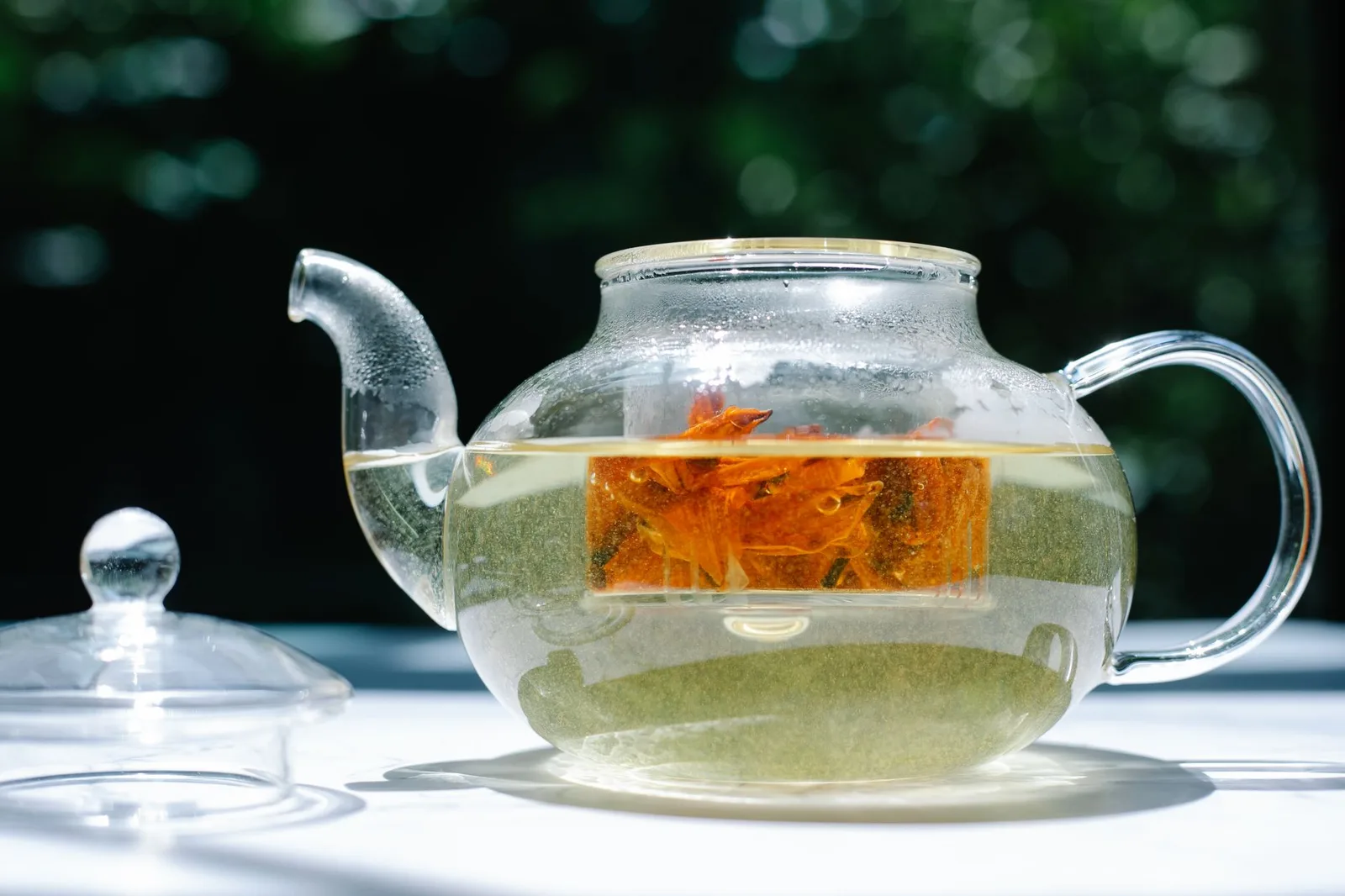
For dried-leaf tea, follow the weight, water temperature, and frequency of use stated on the label. Do not increase the amount on your own simply because you believe natural ingredients are always safe. Pregnant or breastfeeding women, children, people with underlying medical conditions, those taking medication, or those preparing for surgery should consult a doctor or pharmacist before use.
Should Ngoc Linh ginseng leaves be used daily?
Whether they can be used daily depends on the label instructions, serving size, combined ingredients, health status, and individual response. If unusual symptoms such as digestive discomfort, heart palpitations, a rash, or sleep disturbances occur, stop using the product and consult a qualified professional.
Should you choose Ngoc Linh ginseng leaves or roots?
First determine your intended use, then compare the serving sizes and batch numbers of the products you are considering. Once you have made a choice, follow the instructions on the label; if you are taking medication or have an underlying medical condition, consult a doctor or pharmacist before use.
Do you need a form for daily brewing or one intended for a specific need?
This product is not a medicine and is not intended to replace medical treatment.