Comparison of 3 popular forms of dried Ngoc Linh ginseng
Although they are all dried Ngoc Linh ginseng, why are some products sold as whole roots, others cut into thin slices, and still others ground into powder? This variety gives buyers more options, but it also makes the decision more difficult: whole roots are easy to inspect but inconvenient to divide; slices are easy to use but make it difficult to inspect the entire rhizome; powder is convenient to measure but makes visual identification of the raw material almost impossible. If buyers consider only the price, they may choose a form that does not suit their usage habits or even overlook more important criteria such as traceability and testing.
The first thing to determine is not “which form is better,” but how much convenience, visibility, and portioning flexibility you need. The table below places the three options on an equal footing for comparison.
Characteristics of the three forms of dried Ngoc Linh ginseng
| Criterion | Whole root | Sliced | Powdered |
|---|---|---|---|
| Ability to inspect the raw material | External morphology is clearly visible | Cross-section and color are visible | Very limited |
| Convenience | Requires preparation | Ready to use | Easy to carry and use |
| Common uses | Slice or grind it yourself | Brew or steep as directed on the label | Use according to the recommended serving |
| Ease of measuring | Difficult to portion consistently | Relatively convenient | Convenient with the right measuring tool |
| Storage | Airtight container in a dry place | Protect especially carefully from moisture | Must be resealed immediately |
| Risk of buying the wrong product | Species can still be misidentified | Different slices may be mixed in | Difficult to identify visually |
The comparison shows that each form meets a different need. However, the form of processing does not by itself determine quality. A beautifully shaped ginseng root from an unidentified batch is not necessarily more trustworthy than sealed ginseng powder with clearly stated ingredients and appropriate testing documentation. It is therefore essential to consider the origin, label, batch number, test results, and storage condition together.
Whole-root Ngoc Linh ginseng makes morphology easier to inspect
Whole dried ginseng retains its rhizome, nodes, bud scars, and branching roots. Experienced buyers can examine the distribution of bud scars, rhizome shape, surface color, and cut marks to detect certain abnormalities. This is a clear advantage for buyers who want to preserve the raw material or directly compare the delivered item with the product images.
Nevertheless, visual inspection only provides additional evidence; it cannot confirm authenticity or growing region. Whole-root products also tend to have a high order value, require a knife or specialized tool for slicing, and are difficult to divide evenly for each use. Roots that are excessively hard after drying may also crumble if handled improperly.
Sliced Ngoc Linh ginseng balances convenience and inspectability
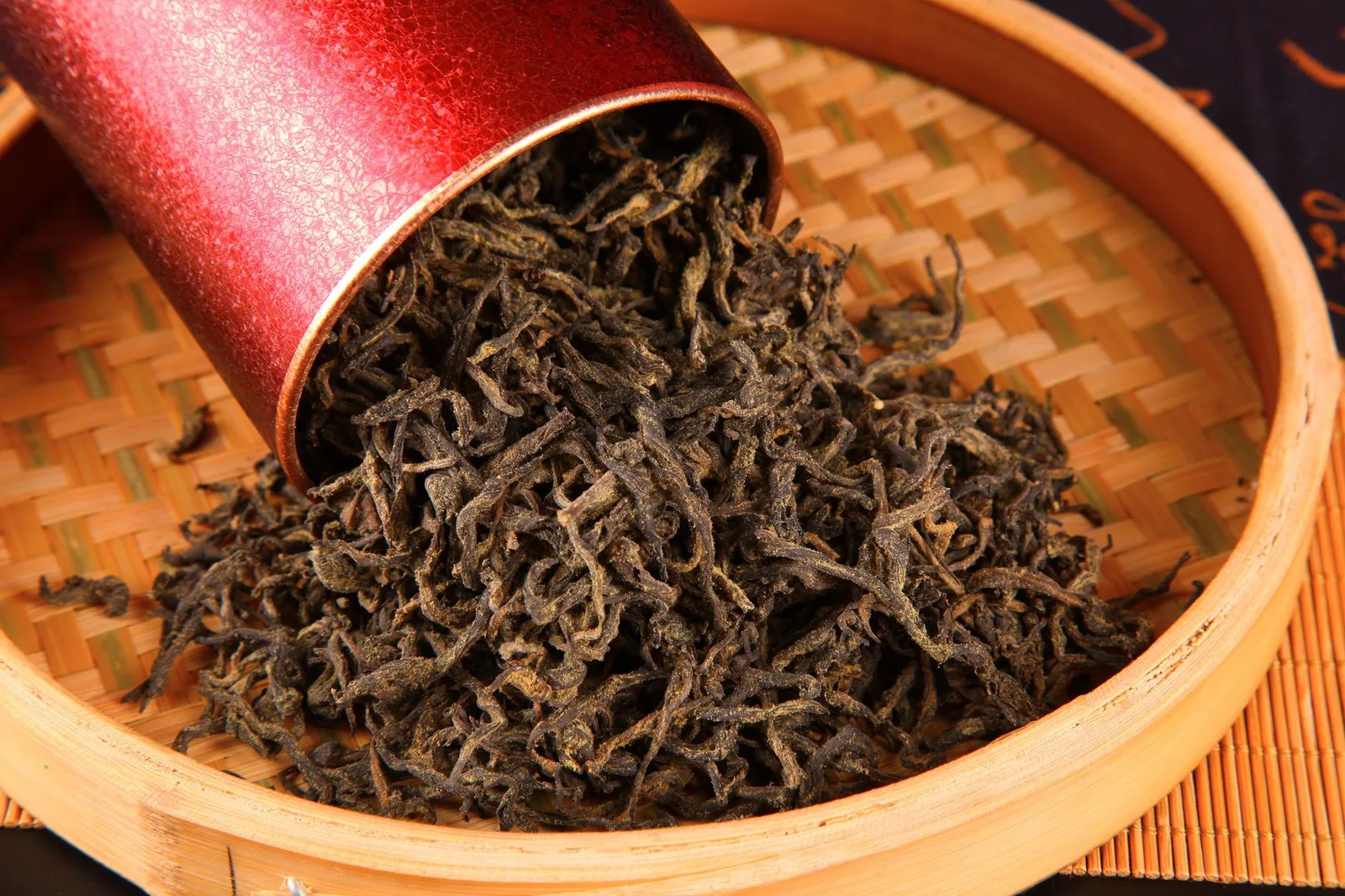
Sliced products significantly reduce preparation work. Users can take an appropriate number of slices to brew in water or steep in honey according to the product's specific instructions. The cross-sections still allow users to inspect the color, texture, uniformity, and dryness, so this form strikes a balance between sensory inspection and convenience.
The risk lies in bags containing slices that are too thin, excessive powder and fragments, or unusual variations in size and color. Because ginseng slices have a larger surface area exposed to air, they also absorb moisture more easily than whole roots. Choose airtight packaging with an intact seal, batch number, and traceability information; avoid products showing condensation, unusual odors, or mold spots.
Ngoc Linh ginseng powder is convenient but makes the raw material difficult to inspect
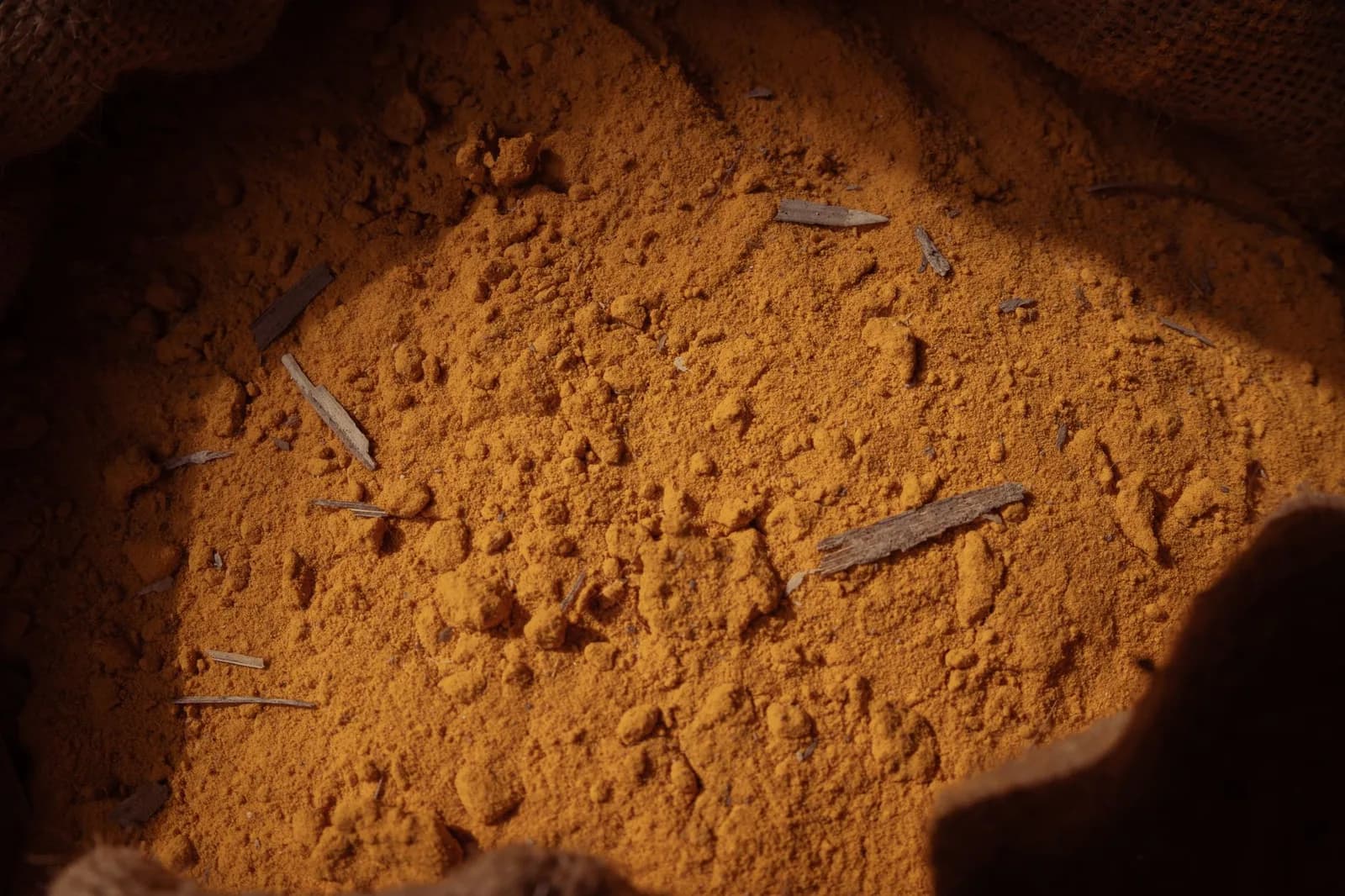
Ginseng powder is suitable for people who do not have preparation tools, travel frequently, or need to divide servings using a teaspoon, scoop, or premeasured packet. Uniformly ground powder also makes handling quicker. But wait: a golden-brown color, bitter taste, or fragrant aroma is not reliable evidence that the powder is made entirely from Ngoc Linh ginseng.
It is important to distinguish raw ginseng powder from blended products. Read the order of ingredients, the actual percentage of ginseng, the weight of each serving, and any carriers such as maltodextrin. The phrase “contains Ngoc Linh ginseng” does not mean that the entire contents of the container are ginseng powder.
Each form of Ngoc Linh ginseng suits a different use
After understanding the physical characteristics, the next step is to consider how the product will be used in practice. People who have time for preparation and value the ability to inspect the product may prefer whole roots. Those who need a quick brew often find slices more practical, while powder is well suited to portability and portioning. This suitability relates mainly to the user experience and does not establish that one form has more potent effects than another.
Although all are called dried Ngoc Linh ginseng, the age of the raw material, moisture content, processing method, ingredients, and recommended serving can differ. Therefore, always prioritize the directions on the label of the specific product being used. Do not apply the instructions for one container of powder to sliced ginseng, or use a single amount for people of every age and health status.
Whole roots suit people who value the ability to inspect and compare
Consider whole roots if you want to inspect their morphology before payment, choose the thickness of the slices yourself, or keep the product in a minimally processed state. However, this advantage is meaningful only when the seller provides authentic photos, weight, origin, batch number, and supporting documentation that can be cross-checked.
So, is whole-root Ngoc Linh ginseng good? The answer depends on the quality of the raw material and its storage conditions. Whole roots make identification easier, but they are not automatically better than slices or powder if they have absorbed moisture, become moldy, lack a clearly identified growing region, or have no test results.
Sliced Ngoc Linh ginseng is convenient for brewing and steeping
Ginseng slices can be brewed with warm water or prepared according to the information stated on the packaging. Do not assume that one fixed number of slices is appropriate for every product, because thickness, weight per slice, and raw-material composition vary. If the label specifies a serving in grams, weigh it or use a suitable measuring tool.
Each time you open the container, remove the slices with clean, dry tongs or a spoon, then reseal it immediately. Store in a dry place away from sunlight, heat sources, and areas with strong odors. Stop using the product if the slices become soft or damp, develop unusual discoloration, have a sour or moldy smell, or show signs of insects.
Ngoc Linh ginseng powder makes portioning convenient
When asking “what are the benefits of Ngoc Linh ginseng powder?”, it is important to separate the product form from its ingredients. Any claimed health-supporting benefits depend on the proportion of the raw material, its concentration, serving size, and the evidence for each product. Grinding the ingredient into powder primarily makes it easier to use; it does not inherently increase the value of the raw material.
Use the included measuring spoon, scoop, or premeasured packet, and level off the powder rather than estimating by eye. Do not increase the amount on your own under the assumption that natural products are always safe. If the powder clumps, develops an unusual odor, or has packaging with a broken seal, stop using it and contact the seller for verification.
How to choose dried Ngoc Linh ginseng based on 5 criteria
The greatest concern is not choosing the wrong form—whole root, slices, or powder—but paying a substantial sum for a product that lacks credible verification. Attractive packaging, a compelling story about the growing region, or a high price can all create a false sense of reassurance. The consequences are not limited to financial loss; moldy products, undeclared blends, or products unsuitable for the user can also pose safety concerns.
The solution is to check five criteria in sequence: origin, label, testing documentation, product condition, and terms of sale. This process does not require buyers to become experts in plant identification, but it helps eliminate many risky options before payment.
Origin and labeling are the first two layers of verification
The label should include the product name, responsible business, address, ingredients, net weight, batch number, manufacturing date, expiration date, directions for use, storage instructions, and warnings. For blended products, look for the proportion of ginseng rather than reading only the prominent name on the front. Blurred information, overlaid labels, or inconsistencies between the outer box and inner packaging are signs that require clarification.
If a product claims that its raw materials come from Kon Tum or Quang Nam, compare this information with the seller's traceability records. A QR code is useful for accessing data, but a scannable code is not conclusive evidence; its content must match the product name, manufacturer, and batch number of the item in your hands.
Test results and product condition determine reliability
Request a test report that states the correct product name and can be linked to its batch number. The document should show appropriate identification or quantitative parameters, along with relevant safety parameters. A report for a different product or batch, or merely a cropped image with missing information, is insufficient to support a purchasing decision.
Next, inspect the seal, dryness, odor, and any signs of mold or insects. For powder, focus on the packaging and documentation rather than folk methods such as testing it in water, tasting it, or smelling it. The conditions of these tests are difficult to control and can easily lead to incorrect conclusions.
Price, needs, and after-sales support complete the purchasing decision
Compare prices using the same unit in grams, the same processed form, and the same actual proportion of ginseng. An unusually low price requires an explanation, but a high price does not prove that a product is authentic. Choose whole roots if morphological inspection is the priority; choose slices if you need a balance between visibility and convenience; choose powder if you need quick portioning and accept greater reliance on the manufacturer's documentation.
Previously, you may have had to choose among the three product forms based only on photos and prices. After applying the five criteria above, your choice will be clearer, better suited to your needs, and less exposed to foreseeable risks. The bridge from uncertainty to a decision is one simple request: ask the seller to provide photos of the label, the traceability code, the test report for the correct batch, the invoice, and the return policy before placing an order.
Finally, choose a seller that gives advice consistent with the label, avoids exaggerated promises, and is willing to answer questions about storage. People taking medication, being monitored for a medical condition, pregnant or breastfeeding women, and those with sensitivities should consult a healthcare professional before use.
This product is not a medicine and is not intended to replace medical treatment.