
Drinking ginseng daily can begin a self-care ritual
In the middle of a fully booked day, spending a few minutes pouring a drink, noticing the aroma of ginseng, and looking away from the screen can create a pleasant pause. When done intentionally, a cup of ginseng becomes a cue to observe your body and care for yourself more consistently.
However, having to drink it at the exact time every day or expecting rapid changes can turn self-care into pressure. This article guides you in building a safe, flexible, pressure-free 21-day ritual based on the product label and your body’s actual responses.
A cup of ginseng does not replace sleep, exercise, balanced meals, or medical care. Health is simultaneously influenced by many factors, from nutrition and physical activity to living conditions. Therefore, drinking ginseng daily should be only a small part of a broader lifestyle, not a way to “make up” for insufficient sleep or irregular eating.
A cup of ginseng creates an intentional pause
Imagine a busy morning with a full inbox and a phone constantly sending notifications. Before starting the next task, you spend 5-10 minutes preparing the product according to the instructions and looking away from the screen. This is also a moment to ask whether you are thirsty, hungry, tired, or stressed. The value of this pause lies in recognizing that state, not merely in the ingredients in the cup.
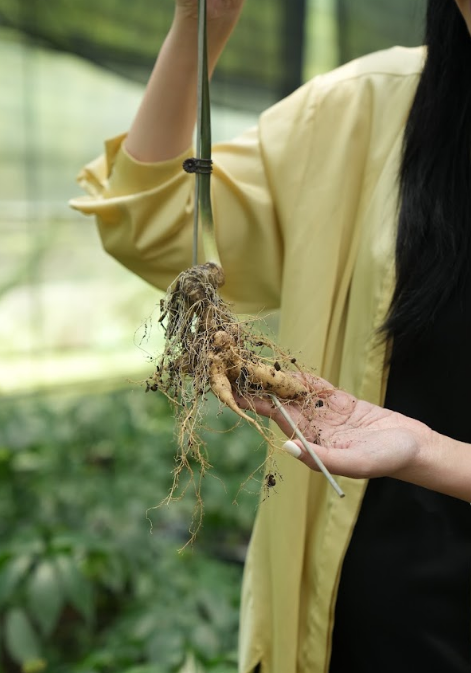
An intentional pause should have a clear beginning and end: prepare the drink, sit quietly, sip slowly, and then return to work. Mindfulness practices may help some people manage stress, although research findings vary. Therefore, this should be viewed as a simple self-observation technique without attributing medical effects to it.
The benefits of ginseng should be viewed realistically
Ngoc Linh ginseng, or Panax vietnamensis, was discovered in Vietnam in the 1970s and botanically described under this name by Hà Thị Dụng and I. V. Grushvitzky in 1985. A 1993 analysis by Nguyễn Minh Đức and colleagues identified saponins in the species, including majonoside R2. However, chemical data or preclinical research does not automatically prove effectiveness in humans. Any claims about benefits must align with the approved scope of each product and the quality of the relevant evidence.
The user experience depends on the ginseng species, plant part, extract form, and amount of raw material in each serving. Combined ingredients, duration of use, and health status can also make a difference. Therefore, two boxes displaying the word “ginseng” on the front do not necessarily contain equivalent amounts. You should read the science-based analysis of the ingredients and benefits of Ngoc Linh ginseng, then compare it with the specific product label.
Feeling alert on a single day is not enough to conclude that ginseng caused a change. The previous night’s sleep, coffee intake, breakfast, and workload can all have an effect. A usage journal can help identify these factors, although it does not replace an assessment by a doctor or pharmacist.
Sustainable self-care is not about chasing achievements
A ritual ceases to be caring when the schedule is too demanding or the user treats one missed occasion as a failure. Consistency does not mean perfection. If your body feels uncomfortable or unusual symptoms appear, skipping a serving and investigating the cause is more sensible than trying to complete a “streak.”
Before preparing it, take ten seconds to check what you truly need: does your body need water, food, sleep, light exercise, or professional advice? Sometimes the answer is a glass of water or an earlier bedtime. Flexible consistency is more valuable than a perfect but stressful ritual.
3 steps to build a 21-day ginseng-drinking habit
The 21-day milestone is merely an easy-to-remember trial framework; it does not guarantee that a habit will form automatically. Research by Lally and colleagues published in the European Journal of Social Psychology found that the time required for a behavior to become automatic varied considerably among participants. This finding refutes the rigid belief that every habit takes exactly 21 days to form.
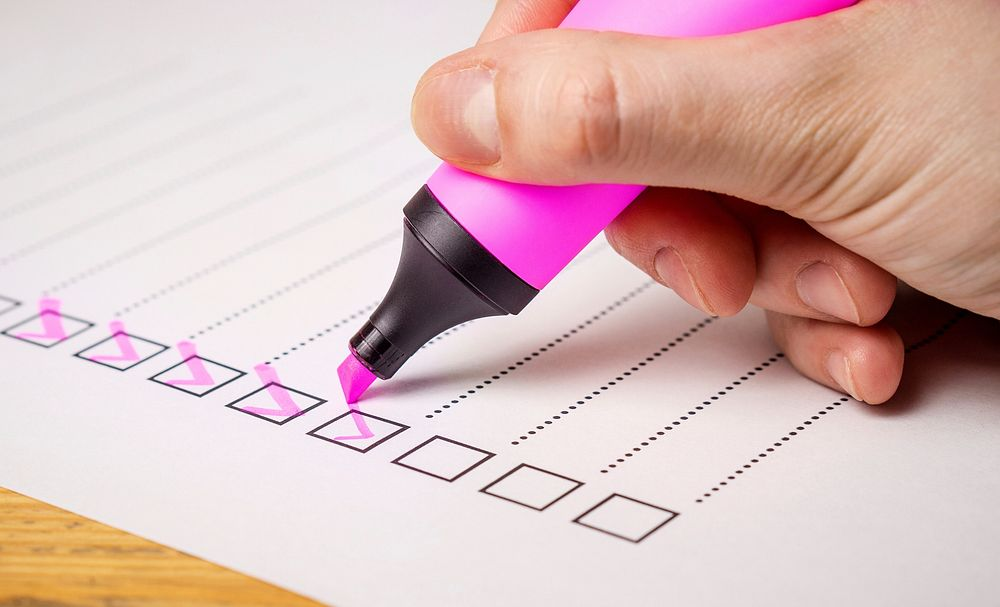
Use the first week to simplify the ritual, the second week to focus on observing without judgment, and the third week to make adjustments. Success does not mean completing it 100% of the time. The ritual should be easy to remember, fit your lifestyle, cause no discomfort, and not require sacrificing other foundations of health.
Step 1: Choose a suitable time to drink ginseng
Directions on the label and professional advice should take priority over word-of-mouth recommendations. No single time is suitable for every form of ginseng or every individual. During the first seven days, choose a time that is easy to maintain, such as after breakfast, and use the correct serving. If the label requires taking it with food or specifies the number of servings per day, follow those directions.
Record your sleep quality, digestive comfort, and any unusual signs. Insomnia is the most commonly reported adverse effect of Asian ginseng. This information cannot be directly applied to every Ngoc Linh ginseng product, but it explains why caution is needed when using it close to bedtime. You can consult the guide to when to take different forms of ginseng products before choosing a fixed schedule.
Step 2: Link your cup of ginseng to a familiar cue
Instead of relying on willpower, connect the new ritual to a consistent action, such as clearing away breakfast, turning on your computer, or beginning a mid-morning break. Keep the cup and preparation tools in a convenient place. The product must still be stored according to the label and protected from unsuitable light, humidity, or temperatures. A phone reminder during the first 7 days can help you determine whether the cue is noticeable enough.
On an exceptionally busy day, shorten the preparation time while still using the correct product and amount. If you forget, feel unwell, or are advised by a professional to pause, you can skip it instead of taking an extra serving later.
Step 3: Drink ginseng mindfully and keep a record
Spend 3–5 screen-free minutes noticing the aroma, taste, breathing rhythm, and state of your body. During the second week, your journal only needs four data points: time; product name and amount used; how your body feels; and related factors such as sleep, meals, coffee, or exercise. Describe them neutrally, such as “took about 30 minutes longer to fall asleep,” rather than immediately concluding that it was “caused by ginseng.”
During the third week, review the data to adjust the timing, frequency, or form of use within the limits of the label and appropriate professional advice. End day 21 with three questions: Is the ritual easy to maintain? Does your body tolerate it well? Does it support a broader healthy lifestyle? If the answers remain unclear, pausing for evaluation is also a reasonable choice.
Drinking ginseng safely every day, from label to dosage
The right way to drink ginseng daily begins with verifiable information, the amount specified on the label, and your individual circumstances. The prominent wording on the front primarily reflects how the manufacturer markets the product. The actual amount of ginseng should be found in the ingredient panel, serving information, and directions for use.
Additional ingredients also require attention. Ginseng drinks may contain sugar, while combination products may include caffeine or other herbs. These ingredients affect the total serving and the product’s suitability for each person. Do not increase the dosage yourself in the hope of feeling effects more quickly, or use several ginseng-containing products simultaneously without calculating the total amount.
Labels and origin information help you choose clearly identified Ngoc Linh ginseng
First, check the product name and type, quantified ingredients, serving size, and directions for use. Next, read the warnings, information about the responsible entity, product declaration registration number, batch number, and expiration date.
Under Article 6 of Government Decree No. 15/2018/ND-CP dated February 2, 2018, health supplements belong to the category of products that must register a product declaration. However, a registration number does not mean that the regulatory authority has verified every advertising claim beyond the approved dossier.
For Ngoc Linh ginseng, compare the cultivation region, supplier, and traceability records. Authentication stamps or codes should be verified through official channels. A high price, images of large roots, or word-of-mouth claims are not proof of authenticity. The guide to verifying origin and identifying trustworthy Ngoc Linh ginseng products will be useful when you need a more detailed verification process.
The appropriate form of ginseng determines how easy it is to maintain the habit
Four common forms differ significantly in how their serving sizes are controlled. The table below presents only usage criteria; specific details must still be taken from each product’s label.
Comparison of ginseng-containing product forms
Product form | Declared ginseng amount | Convenience | Serving control | Storage |
|---|---|---|---|---|
Tea or infusion sachet | Per sachet | Fairly high | Easy with single-serving sachets | Protect from moisture |
Ginseng extract | By gram or spoonful | Moderate | Requires a measuring tool | Follow the label after opening |
Capsules | Per capsule | High | Easy to count doses | Keep dry and sealed |
Ready-to-drink product | Per bottle or vial | High | Easy with single servings | At the temperature specified on the label |
People who travel frequently may prefer single-serving products. Those who want to control sugar intake should read beverage labels carefully, while users of ginseng extract must measure it accurately. Do not independently convert between extract, ginseng slices, capsules, and drinks because their extract concentrations, excipients, and serving sizes are not equivalent. The appropriate form is one whose dosage you clearly understand, that fits your budget, and that you can store correctly.
People who should exercise caution and signs that you should stop taking ginseng
Pregnant or breastfeeding people and children should ask a doctor or pharmacist before use. This also applies to people with underlying health conditions, those preparing for surgery, or anyone taking medication.
Asian ginseng may interact with medications. This herb may also affect blood clotting and blood sugar. The relevance to each Ngoc Linh ginseng preparation must be assessed individually by a professional.
Stop using it and seek advice if you develop a rash, swelling, palpitations, persistent insomnia, digestive problems, or other unusual symptoms. Difficulty breathing, swelling of the lips, or a severe reaction requires urgent medical assistance. This product is not a medicine and is not intended to replace medicines used to treat disease.
After 21 days of systematic observation, a cup of ginseng can become a pause in which you read the label, listen to your body, and care for other foundations of health. Start with the recommended serving, record your responses, and allow yourself to skip it when necessary. View the guide to verifying the origin of Ngoc Linh ginseng before choosing a product.