Ginseng extract may be suitable for older adults under certain conditions
An older adult taking multiple prescription medications receives a bottle of ginseng extract from a family member as a health supplement, but the family does not know whether the product may interact with the medications being taken. In this situation, the convenience of a liquid product is truly valuable only when it is compatible with the person’s underlying conditions, current medications, and tolerance. Therefore, before the first dose, review the person’s medical history, compile a complete medication list, and ask a doctor or pharmacist to check for interactions.
So, can older adults drink ginseng extract? Some people may be able to use it, but each case must be evaluated individually. Asian ginseng may interact with medications and that there is insufficient reliable evidence about the safety of long-term use. As people age, they generally have more underlying conditions and take more medications; general recommendations therefore cannot replace personalized advice.
Ginseng extract is regulated as a health supplement, not a medicine. Its uses should be understood within the scope of the claims stated on each product’s label. Readers seeking further information can consult articles explaining saponins in ginseng and distinguishing health supplements from medicines instead of relying on advertising claims.
Extract differs from fresh ginseng, powder, and capsules
The four forms of ginseng differ significantly in how they are used and how accurately their portions can be measured. The following table helps users choose based on their ability to chew, swallow, and handle the product independently, without assuming that a concentrated form is necessarily more suitable.
Comparison of ginseng product forms
Form | How to use | Portion adjustment | Ease of swallowing | What to read on the label |
|---|---|---|---|---|
Extract | Drink or dilute | Using measurement markings | Fairly convenient | Serving size, extraction ratio |
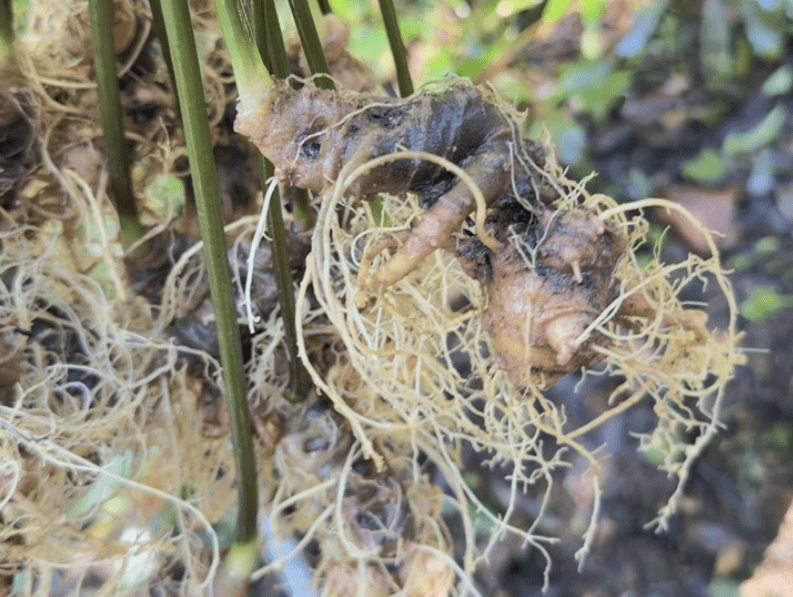
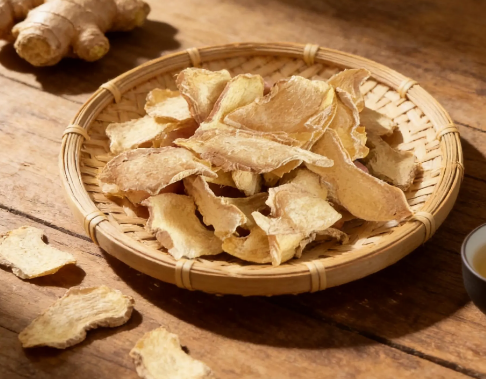
Fresh ginseng | Slice and prepare | Difficult to measure accurately | Requires chewing | Species, origin |
Ginseng powder | Dilute or mix | Requires scales or a measuring spoon | Depends on consistency | Weight per serving |
Ginseng capsules | Swallow whole | Fixed per capsule | Difficult if capsules are large | Amount per capsule |
“Extract” does not mean pure or highly concentrated. The actual concentration depends on the amount of raw material, extraction ratio, solvent, volume per serving, and other combined ingredients. A liquid product also should not be assumed to be absorbed faster unless the manufacturer has data for that specific product. For people who have difficulty swallowing, both consistency and choking risk must be considered; the American Speech-Language-Hearing Association (ASHA) recommends that people showing signs of swallowing disorders receive a professional assessment to determine suitable food and drink textures.
Benefits must be checked against the product’s stated claims
Research evidence concerning a ginseng species, standardized extract, or saponin does not automatically prove the effectiveness of the bottle being sold. Research on Asian ginseng for many health purposes remains limited or has produced inconsistent results. Therefore, this evidence should not be generalized into claims such as treating insomnia, stabilizing blood pressure, lowering blood glucose, or boosting immunity.
When the label says “supports,” read the complete sections on uses, intended users, people who should not use the product, and warnings. Expected goals should be measurable, such as the degree of fatigue experienced while walking indoors or the ability to complete morning activities, rather than a feeling of “overall wellness.” If the goal concerns a condition already being managed, a doctor or pharmacist must provide advice; do not use the product to delay a follow-up appointment.
5 groups of older adults who should consult a doctor first
The problem often lies not with the bottle of ginseng alone but with the context of multiple conditions and multiple medications. Self-supplementation can make it harder to determine the cause of fluctuating health readings or delay the person from seeking medical assistance. The practical solution is to review the person’s medical records and medication list before purchasing the product.
The five groups requiring particular caution include people with high blood pressure or cardiovascular disease; people with diabetes; people with insomnia or who are easily agitated; people with weakened immune systems or who are receiving immune-modulating therapy; and people preparing for surgery or at risk of bleeding. NCCIH identifies insomnia as the most common adverse effect of Asian ginseng and also warns about possible interactions with certain medications and effects on blood clotting and blood glucose.
Needing to consult a doctor does not mean that everyone in these five groups is prohibited from using the product. The decision also depends on the ginseng species, combined ingredients, dosage, stability of the condition, and current treatment regimen.
How to use ginseng extract while reducing interaction risks
Checking for interactions must come before asking how much to use, particularly when an older adult is taking 5 or more medications or has recently had a prescription changed. NHS England commonly uses the term polypharmacy for situations involving five or more medications and emphasizes the need for medication reviews tailored to each person.
Bring all prescription medicines, over-the-counter medicines, herbal products, and supplements to the consultation, preferably with photographs of their labels. Do not stop or reduce medication on your own to “make room” for ginseng. The dose of ginseng extract must follow the label and account for the person’s swallowing ability and actual response; there is no single dose that applies to every brand. Families can use a medication and supplement list template for older adults to avoid omissions.
Anticoagulants and metabolized medications must be reviewed
A doctor or pharmacist should check anticoagulants, antiplatelet drugs, and other medications that affect bleeding. Asian ginseng may interact with medications, although the evidence concerning warfarin remains uncertain. Unusual bruising, prolonged bleeding, black stools, or blood in the urine should be promptly assessed by a healthcare professional.
Blood pressure- and blood glucose-lowering medications also need to be reviewed because NCCIH notes that ginseng may lower blood glucose and potentially interact with medications. Patients should not adjust their doses on their own even if home readings change. Immune-modulating medications and all ginseng products must also be disclosed before surgery or a medical procedure.
Caffeine, alcohol, and supplements may have additive effects
While trying the product, it is advisable to limit coffee, strong tea, and energy drinks. NCCIH identifies insomnia as a common reaction to Asian ginseng; consuming additional caffeine may make it difficult for the family to determine the cause of restlessness, palpitations, or difficulty sleeping.
Do not mix the extract with alcohol or consider ginseng-infused alcohol an equivalent substitute. Alcohol can interact adversely with many medications; alcohol can also reduce adherence to medication schedules. At the same time, compare the labels of products containing ginseng, caffeine, vitamins, or herbs to avoid overlapping servings.
The dose of ginseng extract must follow the label
The three pieces of information to read are the amount of extract in one serving, the amount of ginseng or equivalent raw material per serving, and the maximum number of servings per day. One bottle is not necessarily one serving. For large bottles, use a measuring cup or spoon rather than estimating with the cap.
Once the product has been confirmed as suitable, it may be started at the lower end of the label’s recommended range. Do not increase the dose simply because no change has been noticed, and do not take an extra dose after forgetting one. Taking it in the morning makes it easier to monitor reactions and limit sleep disruption, in line with NCCIH’s warning about insomnia. Whether it is consumed directly or diluted, the label instructions must be followed; people with difficulty swallowing require an individual assessment.
7-step checklist for using ginseng extract safely
A consistent process helps users and caregivers avoid receiving different instructions from different people. Complete the first four steps before taking the product and maintain the final three practices throughout its use.

4 steps before an older adult uses ginseng
Set one specific goal, such as tracking fatigue during daily activities over the period stated on the label or recommended by a professional.
Record all underlying conditions, allergies, scheduled surgeries, medications, and supplements; give the list to a doctor or pharmacist for review.
Check the name and address of the responsible company; registration information; batch number and expiration date; instructions and warnings. Avoid decanted products or advertisements claiming to treat diseases.
Read the amount of ginseng per serving along with the amounts of sugar, sweeteners, alcohol, and additives; compare these with the person’s diabetes status, diet, and tolerance.
In particular, attractive packaging cannot replace traceability records. If the label does not state the serving size or identify the responsible company, the buyer lacks sufficient information to assess the product and respond if an adverse reaction occurs.
3 practices to maintain during use
Use the agreed dose, measuring device, and timing; do not make the mixture more concentrated or combine it with alcoholic beverages.
Record the time and amount used, sleep, digestion, alertness, and medications taken that day; record blood pressure or blood glucose when requested by a doctor.
Reassess the product when a new medication is introduced, a treatment dose changes, surgery is being planned, or a scheduled review date is reached.
Do not continue indefinitely simply because the product is natural. Continued use should be considered only when no adverse signs occur, the initial goal improves according to the chosen measurement method, and using the product does not complicate the treatment regimen.
6 signs that require stopping ginseng extract
Stop the product and contact a healthcare professional if any of the following six groups of signs occurs: pronounced insomnia or agitation; palpitations or an abnormal heart rhythm; persistent headache or digestive problems; unusual bruising or bleeding; blood pressure or blood glucose outside the thresholds set by the doctor; or a rash, swelling of the lips or tongue, or difficulty breathing.
Call emergency services immediately in cases of difficulty breathing, swelling of the face or throat, fainting, chest pain, sudden weakness or paralysis, or severe bleeding. NHS guidance on anaphylaxis identifies difficulty breathing, swelling of the mouth or throat, and fainting as possible signs of a severe allergic reaction requiring emergency treatment. Keep the packaging and record the time, amount consumed, and medications taken that day; consider using the product again only after a professional assessment.
This product is not a medicine and is not intended to replace medicines used to treat disease.
Without a process in place, a seemingly simple bottle of extract can add anxiety amid multiple medications and underlying conditions. After completing the seven steps, the family will have a clear goal, monitoring data, and specific stopping thresholds. The bridge between “wanting to improve health” and “controlled use” is a review with a doctor or pharmacist. Start by photographing the product label, compiling a medication list, and scheduling a consultation before the first dose.