Ngoc Linh ginseng leaves do not replace water in hot weather
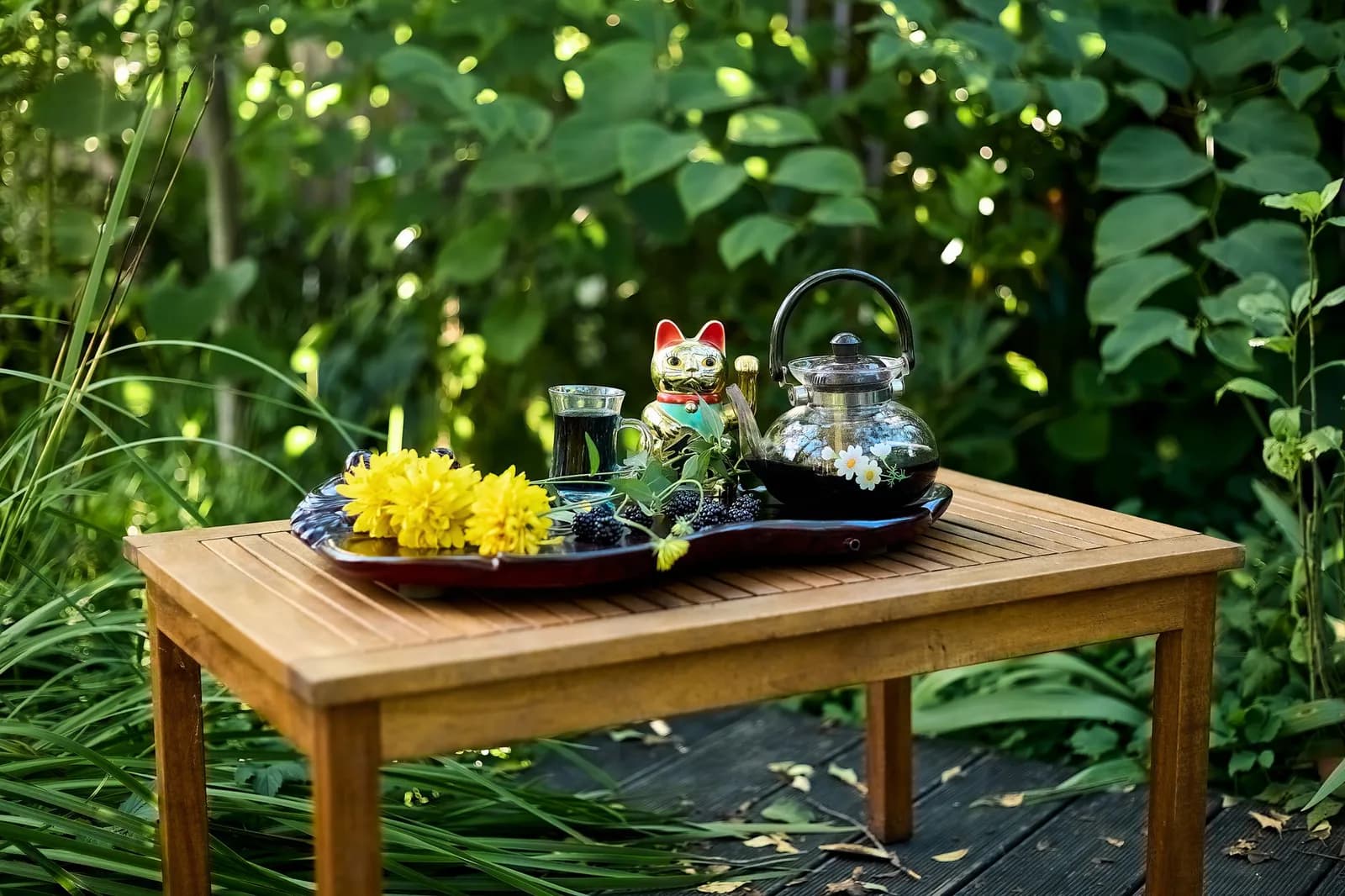
At midday in sweltering weather, a pot of gently cooling ginseng leaf tea may feel much more refreshing than plain water. However, feeling that your thirst has been quenched does not mean your body has received enough fluids. As temperatures rise, perspiration, fluid requirements, and beverage tolerance all change. Therefore, when using Ngoc Linh ginseng leaves in hot weather, attention must be paid to the dosage, timing, and signs of dehydration.
Ginseng leaf tea should only be considered an herbal beverage that plays a role in supporting health. It does not replace water, meals, or electrolyte solutions in cases of heavy sweating, diarrhea, or prolonged physical activity. If you experience extreme thirst, infrequent urination, dark urine, dizziness, or exhaustion, prioritize stopping activity, cooling down, and rehydrating appropriately rather than brewing stronger ginseng tea.
It is also important to distinguish the leaves from the rhizomes of Ngoc Linh ginseng. These are two different plant parts, with different compositions, concentrations, and preparation methods. The leaves are commonly used fresh, dried, or packaged in tea bags; the rhizomes appear in ginseng slices, powders, extracts, and many blended products. Do not convert dosages between the two parts yourself or use them interchangeably.
The dosage of Ngoc Linh ginseng leaves depends on the product form
There is no single amount suitable for every type of ginseng leaf product. The moisture content of fresh leaves, drying method, and tea bag specifications can cause the actual amount of raw material to vary considerably. The table below helps identify the correct basis for use:
Comparison of three forms of Ngoc Linh ginseng leaves
| Product form | Characteristics | How to determine the dosage | What to check |
|---|---|---|---|
| Fresh leaves | High water content | Weigh according to the instructions | Freshness, origin |
| Dried leaves | Concentrated by weight | Measure or weigh according to the label | Mold, moisture, unusual odors |
| Tea bags | Pre-portioned servings | Follow the number of bags and amount of water | Blended ingredients |
A handful of fresh leaves is not automatically equivalent to a pinch of dried leaves or one tea bag. When using the product for the first time, start at the lower end of the recommended amount and do not brew it strongly in hopes of feeling the effects more quickly. During the first three days, record the amount used, the time consumed, any coffee or other beverages consumed with it, and your body's response.
Morning use makes it easier to monitor reactions to ginseng leaves
Morning or early afternoon is a convenient time to observe tolerance. If you experience excessive alertness, restlessness, or difficulty sleeping, avoid drinking it close to bedtime. During the three-day monitoring period, consume ginseng tea separately from coffee and energy drinks; caffeine may cause palpitations and insomnia, making it difficult to identify the cause.
Do Ngoc Linh ginseng leaves cause internal heat? Feeling hot, thirsty, or tired on a sweltering day is not enough to conclude that ginseng is the cause. Review how much water you drank, how long you were exposed to the sun, your activity level, your sleep, and any products used at the same time. If symptoms recur after each use, stop using the product and seek further evaluation.
5 groups that should exercise caution when using Ngoc Linh ginseng leaves
Self-administering herbal tea on a hot day may cause users to mistake reactions to the product for signs of dehydration. Continuing to drink it to “see whether it helps” may also delay treatment when the body is overheating. The safe approach is to screen for risks before the first use rather than waiting for symptoms to appear.
The five groups that should exercise caution include people taking cardiovascular medications, people taking blood glucose-control medications, pregnant or breastfeeding women, children, and people preparing for surgery. When seeking advice, bring the packaging or a clear photo showing the ingredients, amounts, and directions for use. This information helps doctors and pharmacists accurately assess the leaf form, dosage, and blended ingredients.
Medications and special conditions require screening
People taking cardiovascular medications or blood glucose-control medications should consult a doctor before drinking it. Reactions or interactions may make it difficult to monitor blood pressure, heart rate, or blood glucose. Do not reduce, stop, or change the timing of prescription medications yourself to “make room” for ginseng tea.
Safety data for pregnant women, breastfeeding women, and children still need to be considered on a product-by-product basis. People preparing for surgery must disclose all herbal teas and health supplements they use, then follow the treatment facility's instructions on when to stop taking each product.
4 warning signs that mean you should stop using ginseng leaves
Stop using the product if new or worsening symptoms occur in any of four groups: rapid heartbeat or palpitations; pronounced insomnia or restlessness; nausea or digestive problems; rash or itching. Do not drink another cup to test the reaction.
At the same time, consider heat exposure, urine output, degree of thirst, dizziness, and exhaustion to identify dehydration. Confusion, fainting, difficulty breathing, swelling of the lips or tongue, seizures, or a high body temperature are signs that require calling emergency services or going to a medical facility rather than continuing to monitor the condition at home.
6 steps for using Ngoc Linh ginseng leaves safely
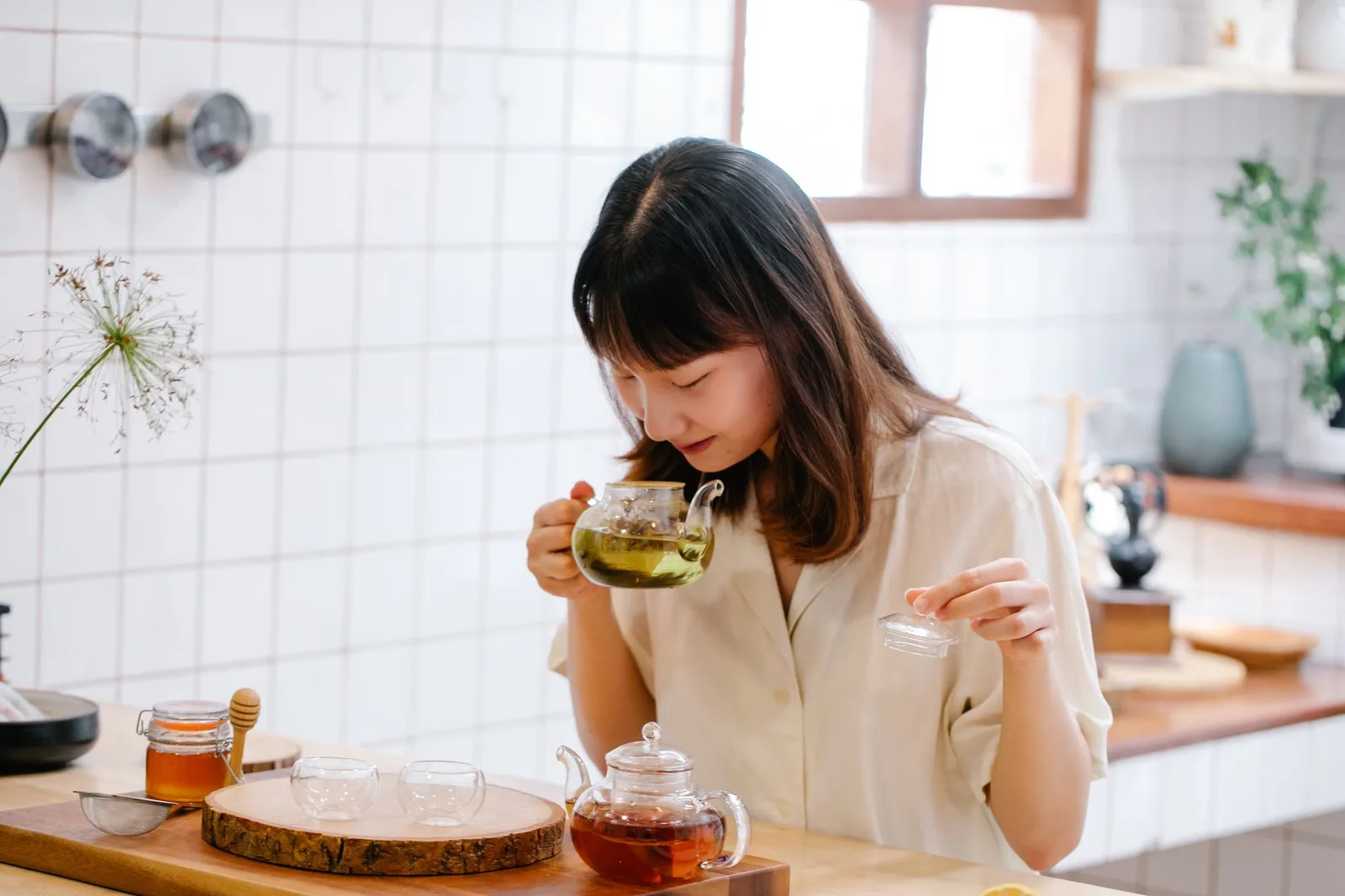
A consistent process helps prevent arbitrary use during hot weather. Before each preparation, follow these six steps:
- Verify the correct product and its origin.
- Read the dosage, amount of water, and frequency of use.
- Check current medications and special conditions.
- Prepare it using clean water and utensils.
- Choose the morning or early afternoon.
- Monitor reactions and stop if abnormalities occur.
The important point is not an elaborate brewing method, but the ability to control each variable. By changing only one factor at a time, such as keeping the dosage unchanged and not drinking it with coffee, users can more easily determine whether the product is suitable for them.
Origin and storage determine safety
The label should correctly identify Ngoc Linh ginseng leaves, the scientific name Panax vietnamensis when declared, the product form, ingredients, weight, directions for use, responsible entity, and expiration date. Avoid confusing it with dây ginseng, as it is not the same raw material.
Choose intact packaging; the leaves should have no moldy smell, signs of moisture, or insects. Store according to the label in a dry, cool, sealed place away from direct sunlight. Do not dry the leaves in the sun yourself and then store them for long periods, as hot and humid weather makes moisture levels and contamination risks difficult to control.
A checklist helps ensure clean tea preparation on hot days
Before brewing, wash your hands, clean the utensils, use water that meets drinking-water standards, and measure the exact amount stated on the label. Hot water helps brew tea but does not ensure that the beverage remains sterile for many hours. Prepare only enough for the day, do not mix freshly brewed tea with an older batch, and discard it immediately if its color, smell, or taste changes.
Previously, a cup of strong ginseng tea might have been considered a quick way to quench thirst. After adopting this process, each serving becomes a controlled choice better suited to the body and the weather. The key transition is to keep the six steps near the tea-preparation area, complete a three-day journal, and consult a doctor or pharmacist when unsure about the dosage.
Three principles to remember: do not use it to replace water or electrolytes; do not increase the concentration or frequency of consumption yourself; do not continue using it when your body shows abnormal signs.
This product is not a medicine and is not intended to replace medical treatment.