Comparing Sweetened and Sugar-Free Ginseng Extracts
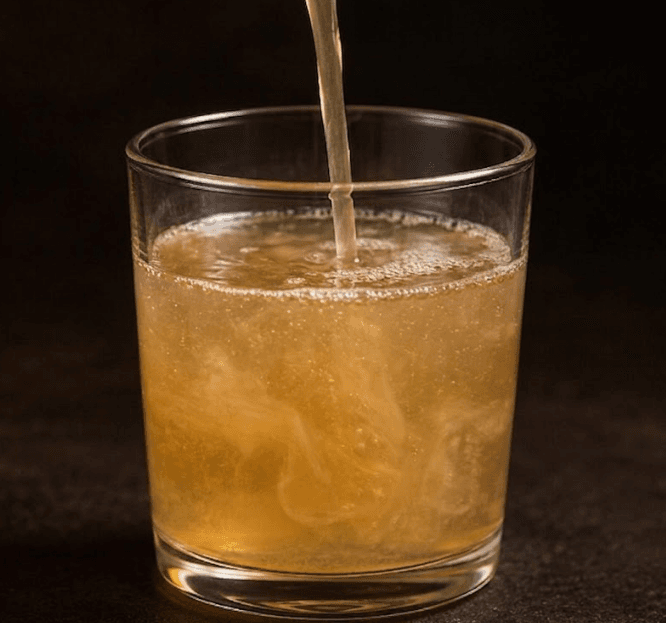
Both bottles of extract contain ginseng, but one is mildly sweet while the other leaves a more pronounced bitter taste. Should you choose the easy-to-drink bottle or the one labeled “sugar-free”? The sensation on your tongue alone is not enough to answer this question. To make an appropriate choice, you need to compare the sugar content, calories, and actual serving consumed, then evaluate the ginseng component in the formula. Through this article, readers will learn how to calculate their actual sugar intake and compare the ginseng content using three places on the label: the ingredient list, nutrition facts panel, and serving instructions.
Ginseng extract is a liquid containing components obtained from ginseng roots through an appropriate extraction process. Manufacturers may add sugar to temper the bitterness, make the product easier to drink, and provide energy. However, the amount of ginseng or saponins cannot be inferred from sweetness. These are two categories of information that must be read independently on the label.
Comparison table of two ginseng extract formulas
Criterion | Sweetened | Sugar-free |
|---|---|---|
Added sugar | Usually present | None or very little, as declared |
Carbohydrates | Usually higher | May still be present |
Calories | Increase with the amount of sugar | Usually lower; check the label |
Taste | Sweet and easy to drink | May taste sweet or bitter |
Sweeteners | Sugar, honey, syrup | May contain sweeteners |
Suitable for | People who can manage their calorie intake | People who need to limit sugar |
What to check | Sugar per serving | Carbohydrates and sweeteners |
Sweetened ginseng extract is easy to drink but increases calorie intake
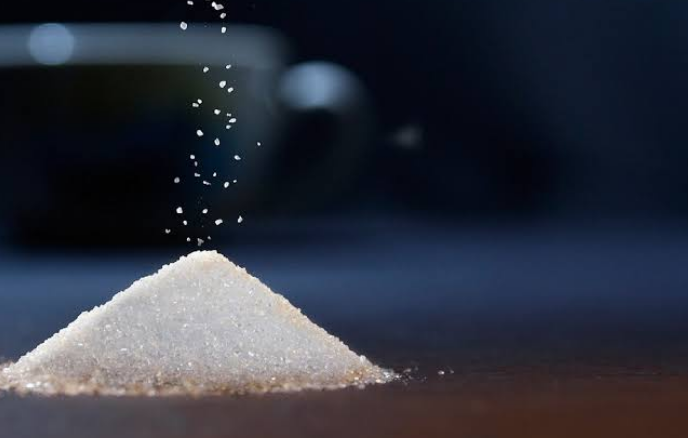
Granulated sugar, rock sugar, and brown sugar all provide carbohydrates and therefore contribute to a serving’s calorie content. Labels such as “natural,” a brown color, or images of rock sugar do not mean the product can be consumed without restriction. In its Guideline: Sugars Intake for Adults and Children (2015), the World Health Organization recommends reducing free sugar intake to less than 10% of total daily energy intake and states that a level below 5% may provide additional benefits, particularly for controlling dental caries and body weight.
The problem often lies in cumulative intake. A sweet taste makes a product easier to consume regularly; without reading the serving information, users may consume more sugar than expected. The calculation is very simple: multiply the number of grams of sugar in one serving by the number of bottles, sachets, or vials consumed per day. A practical solution is to perform this calculation before purchasing rather than looking only at the value per 100 ml.
Sugar-free ginseng extract may still taste sweet
Products without added sugar may still contain steviol glycosides, sucralose, erythritol, or other sweeteners. Therefore, “sugar-free” does not mean that a product has no sweet taste, contains no carbohydrates, or is suitable for every diet. Under the nutrient content claim regulations in 21 CFR § 101.60 of the U.S. Food and Drug Administration, the “sugar-free” claim has specific conditions of use and does not replace the total carbohydrate information on the nutrition facts panel.
The exact wording must be read carefully: “sugar-free,” “no added sugar,” and “low sugar” are different claims and must meet the corresponding conditions under applicable labeling regulations. To understand each ingredient name in greater detail, you can also read Common Types of Sugars and Sweeteners in Health Supplements. After identifying the type of claim, immediately check three pieces of information per serving: sweetening ingredients, carbohydrates, and the actual amount consumed.
Read 3 Label Sections to Evaluate Ginseng Extract
The three places that must be read together are the ingredient list, nutrition facts panel, and serving information. In the ingredient list, sugar may appear under names such as sucrose, glucose, fructose, syrup, honey, or rock sugar. Maltodextrin does not necessarily produce a noticeably sweet taste, but it is still a carbohydrate. Ingredients are listed in descending order by weight at the time of manufacture; ingredients near the beginning of the list therefore generally have a relatively higher proportion.
For people who need to monitor blood glucose, total carbohydrates are more useful than guessing based on taste. Prioritize products that provide figures for each bottle, vial, or sachet. Descriptions such as “concentrated” or “lightly sweetened” do not indicate how many grams users actually consume.
Serving size determines actual sugar and calorie intake
Suppose the label states 6 g of sugar per vial and recommends taking two vials per day. The total amount of sugar from the product is 12 g per day. Apply the same multiplication to carbohydrates and calories. If you consume twice the serving size, your sugar and calorie intake will also increase accordingly.
It is important to compare the recommended serving with actual consumption habits. A bottle may contain two servings rather than automatically being a single serving. Before comparing products, please read How to Read Nutrition Facts and Calculate Sugar per Serving to practice this calculation for various types of packaging.
Saponins reflect the ginseng component more clearly than sweetness
Bitterness, sweetness, and the liquid’s color are not reliable measures of the quality of the ginseng component. You should compare the amount of extract, the equivalent quantity of raw material, and the saponin or ginsenoside content declared by the manufacturer. The Radix Ginseng monograph in WHO Monographs on Selected Medicinal Plants, Volume 1 (1999) identifies ginsenosides as a characteristic group of constituents in this medicinal herb; these constituents may vary depending on the raw materials and processing methods. Therefore, two products both labeled “ginseng extract” may differ significantly in their formulas.
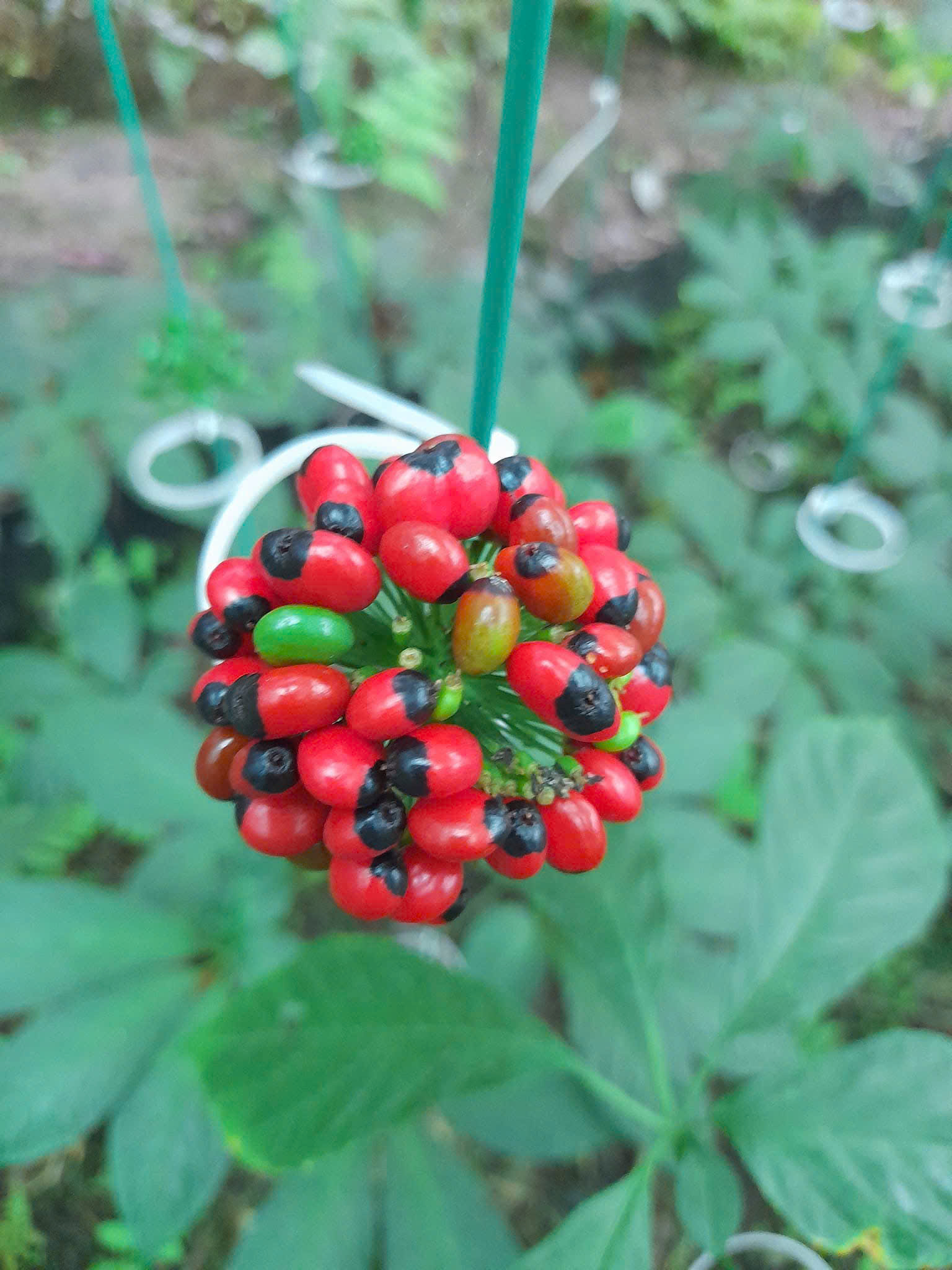
In addition, check the species name, growing region, extraction ratio, and units such as mg per vial or mg per 100 ml. You can also read How to Read Ngoc Linh Ginseng and Saponin Content on Labels to avoid confusing the weight of the extract with the equivalent weight of ginseng root.
Choose Ginseng Extract Based on 5 Steps and Your Health
Your selection should follow a consistent process rather than being determined by taste or packaging. The five steps below place the sugar and ginseng components within the same assessment framework.
Determine your purpose, frequency, and timing of use.
Check the sugar, carbohydrates, calories, and sweeteners in the intended serving.
Compare the amounts of ginseng and saponins, the source of the raw materials, and the extract form.
Verify the product declaration registration number, responsible entity, and directions for use.
Consult a doctor or pharmacist if you have an underlying medical condition, take medications, or belong to a group requiring caution.
Products used daily require stricter consideration of their sugar content than products used occasionally. At the same time, do not increase the dose on your own in the expectation of obtaining more benefits than stated in the instructions.
Four groups that should exercise caution when using ginseng extract
People with diabetes need to include the product’s carbohydrates in their total dietary intake and monitor their blood glucose as professionally advised. In Carb Counting and Diabetes, the American Diabetes Association explains that carbohydrates are broken down into glucose and can raise blood glucose levels. People managing their weight need to consider total calorie intake, not just the words “sugar-free.”
People taking medications should consult a doctor or pharmacist because the U.S. In Asian Ginseng that ginseng may interact with certain medications. Children and pregnant or breastfeeding women should only use products suitable for them and seek professional advice, as safety data for many ginseng preparations remain limited.
Make an appropriate choice based on the label and serving size
Choose products that clearly declare their sugar, carbohydrate, serving size, and ginseng content; follow the recommended dose and consult a professional if unusual symptoms occur. This product is not a medicine and is not intended to replace medical treatment.