
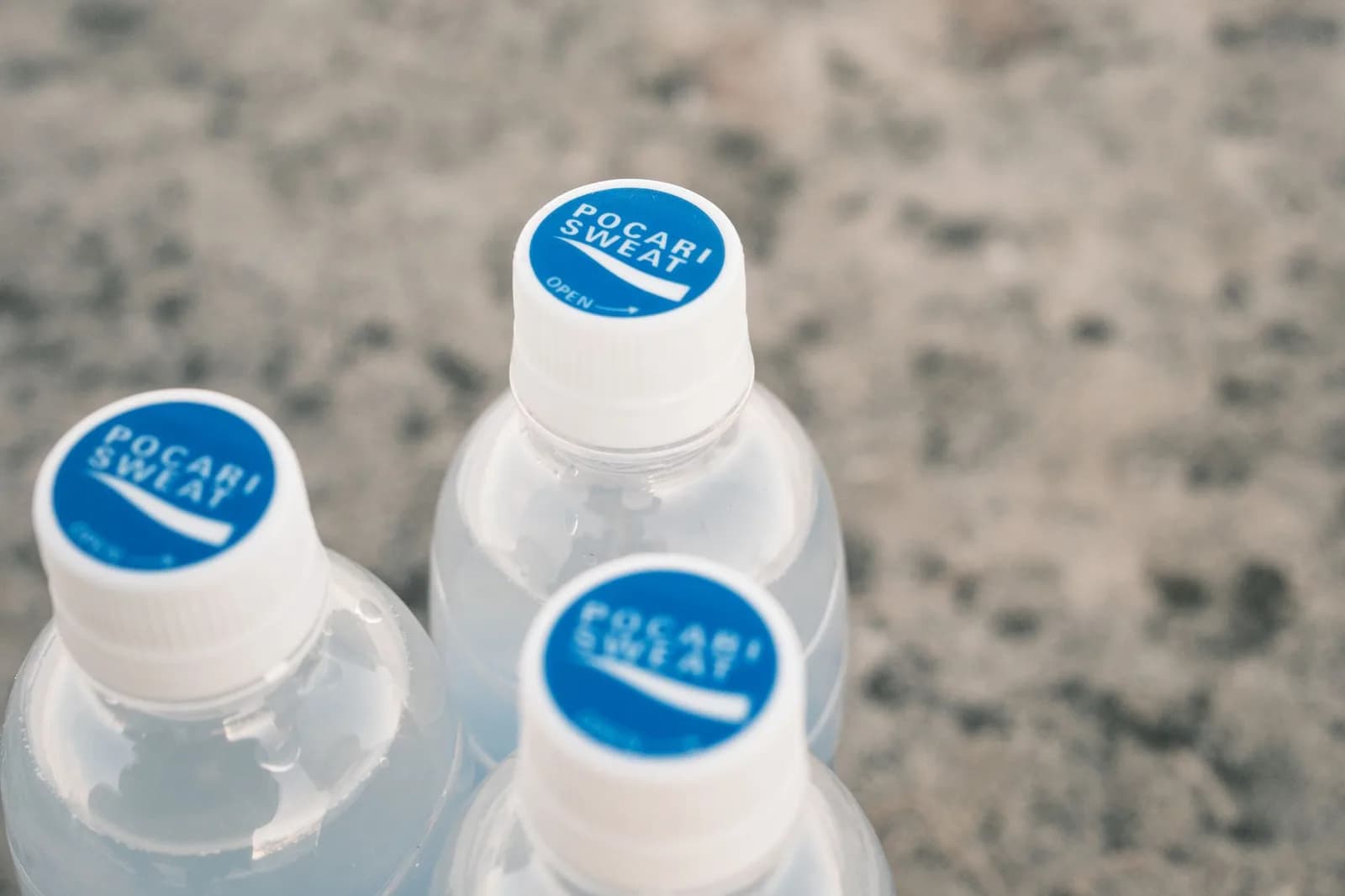
How Do Electrolyte Drinks With and Without Sugar Differ?
Electrolyte drinks with and without sugar differ mainly in carbohydrate content, calories, and their role in providing fuel. The words “sugar-free” on the front of the bottle are not enough to determine whether a product is suitable. This article will help you choose a sugared or sugar-free option, or plain water, for different situations.
Both types can provide water, sodium, potassium, and certain other minerals. The main differences lie in carbohydrate content, calories, sweetness, and intended use. Specific formulations vary considerably among brands, so the name on the front of the bottle is not enough to draw a conclusion.
Comparison of the Two Types of Electrolyte Drinks
Criterion | With sugar | Without sugar |
|---|---|---|
Carbohydrates | Present, depending on the formulation | Very low or zero |
Calories | Usually higher | Usually low |
Fuel replenishment | May provide support | Negligible |
Sweetness | Sugar or a blend of sweeteners | May contain sweeteners |
Suitable situations | Prolonged, high-intensity exercise | Carbohydrate restriction |
Sugar Supports Absorption and Provides Energy During Exercise
Glucose can work with sodium during intestinal absorption. Carbohydrates also provide approximately 4 kcal per gram, allowing sugared drinks to replenish both fluids and fuel during prolonged exercise. This benefit depends on the sugar concentration, sodium content, volume consumed, and individual tolerance.
However, more sugar does not mean faster rehydration. Drinks that are too sweet may cause bloating, nausea, or discomfort during exercise while also increasing total daily sugar intake. Therefore, choose a formulation based on the duration and intensity of the activity rather than sweetness alone.
Sugar-Free Electrolyte Drinks Reduce Calories but Cannot Replace Every Formulation
Sugar-free electrolyte drinks may contain sodium, potassium, flavorings, and sweeteners. Their carbohydrate and calorie content should be determined from each product’s nutrition information rather than inferred solely from the words “sugar-free.”
This type can be useful when you need fluids and minerals but want to limit carbohydrates, such as after a short activity in hot weather. However, it is not automatically suitable when the body needs additional fuel during endurance exercise.
Rehydration and Electrolyte Needs Determine the Right Choice
Choosing the wrong type creates two opposing problems: people doing light exercise may consume unnecessary sugar and calories, while those exercising for prolonged periods may not replenish enough carbohydrates. First, consider the duration and intensity of the activity, how much you sweat, and the weather. Then compare these factors with your diet and health status.

For a short walk, plain water is usually sufficient. During prolonged endurance exercise with heavy sweating, an electrolyte drink containing carbohydrates may help provide additional fuel. Do not wait until you are extremely thirsty to drink; take moderate sips according to your tolerance.
Confusion, persistent vomiting, very little urination, extreme thirst, or an inability to drink are signs that require medical assessment rather than continued self-selection of drinks at home.
Sugared Electrolyte Drinks Are Suitable for Prolonged Exercise
During prolonged exercise, depending on its intensity and the preceding meal, a drink containing carbohydrates and sodium may help maintain energy and replenish fluids and minerals lost through sweat. The amount needed also depends on your sweat rate and weather conditions.
To determine how many calories a sugared electrolyte drink contains, multiply the grams of carbohydrates by approximately 4 kcal, then adjust the result to the volume actually consumed. For example, 15 g of carbohydrates provides about 60 kcal from carbohydrates. If a bottle contains two servings and you drink the entire bottle, the sugar, calorie, and sodium amounts must be doubled.
Sugar-Free Electrolyte Drinks Suit Selective Everyday Needs
A sugar-free option may be suitable for short activities involving heavy sweating, time spent outdoors in hot weather, or when carbohydrate intake needs to be limited. One benefit is that it can replenish minerals with the calorie content specified on the label, but it is not a necessary everyday drink.
People who are not very active should not drink it regularly simply because the label says “electrolyte.” Sodium from drinks contributes to the total salt intake from food. People with high blood pressure, heart disease, or kidney disease should consult a healthcare professional before regular use because their sodium and potassium needs may differ considerably from those of healthy individuals.
Important Notes on Using Oral Rehydration Solution
It is important to distinguish ordinary electrolyte drinks from oral rehydration solution. Oral rehydration solution has a specified ratio of glucose to electrolytes, is used in specific situations such as diarrhea, and must be mixed with the exact amount of water stated on the packet; making it too concentrated or too dilute will disrupt the ingredient ratio. Do not use a sports drink as a substitute for oral rehydration solution.
How to Choose an Electrolyte Drink Based on 5 Criteria
The decision can be narrowed down to 5 criteria: the purpose of drinking it, sugar content, calories, sodium content, and serving size. This is more practical than assuming that sugar-free products are always better or that sugared products should always be avoided.

Prioritize labels that clearly state carbohydrates, total sugars, calories, and minerals per serving or per 100 ml. Also check the sweeteners, caffeine, and usage warnings. The calorie content of a “sugar-free” product should be verified on the label, while caffeine may not be suitable for children, sensitive individuals, or people drinking it close to bedtime.
Read the Electrolyte Drink Label Before Buying
First, check the bottle volume and number of servings. Then calculate the total sugar, calories, and sodium for the full amount you expect to drink. When comparing two products, convert the figures to the same unit, such as per 100 ml or per liter; otherwise, a bottle with a smaller serving size can create a misleading impression that it contains “less sugar.”
Do not judge by taste alone. A product containing sweeteners may taste very sweet while containing few carbohydrates, whereas a mildly flavored product may still contain sugar. The nutrition label, not the sweetness on your tongue, reveals the actual amount.
People With Diabetes Should Prioritize a Suitable Formulation
For people with diabetes, the choice of electrolyte drink should align with their eating plan, current medications, and personalized guidance. A sugar-free or low-carbohydrate formulation may be an option, but any carbohydrates consumed in the drink must still be counted toward the dietary allowance. If you use insulin or glucose-lowering medication, have kidney disease, or are dehydrated due to vomiting or diarrhea, consult a doctor or dietitian before choosing a product.
In the past, the words “sugar-free” alone may have determined your choice. Once you understand the label, you can choose more accurately: plain water for daily activities and light exercise; a sugared option when additional fuel is needed; and a sugar-free option when electrolytes are needed but carbohydrate intake should be limited. Before buying, check the serving size, carbohydrates, calories, and sodium, then compare this information with the expected duration of your activity.