
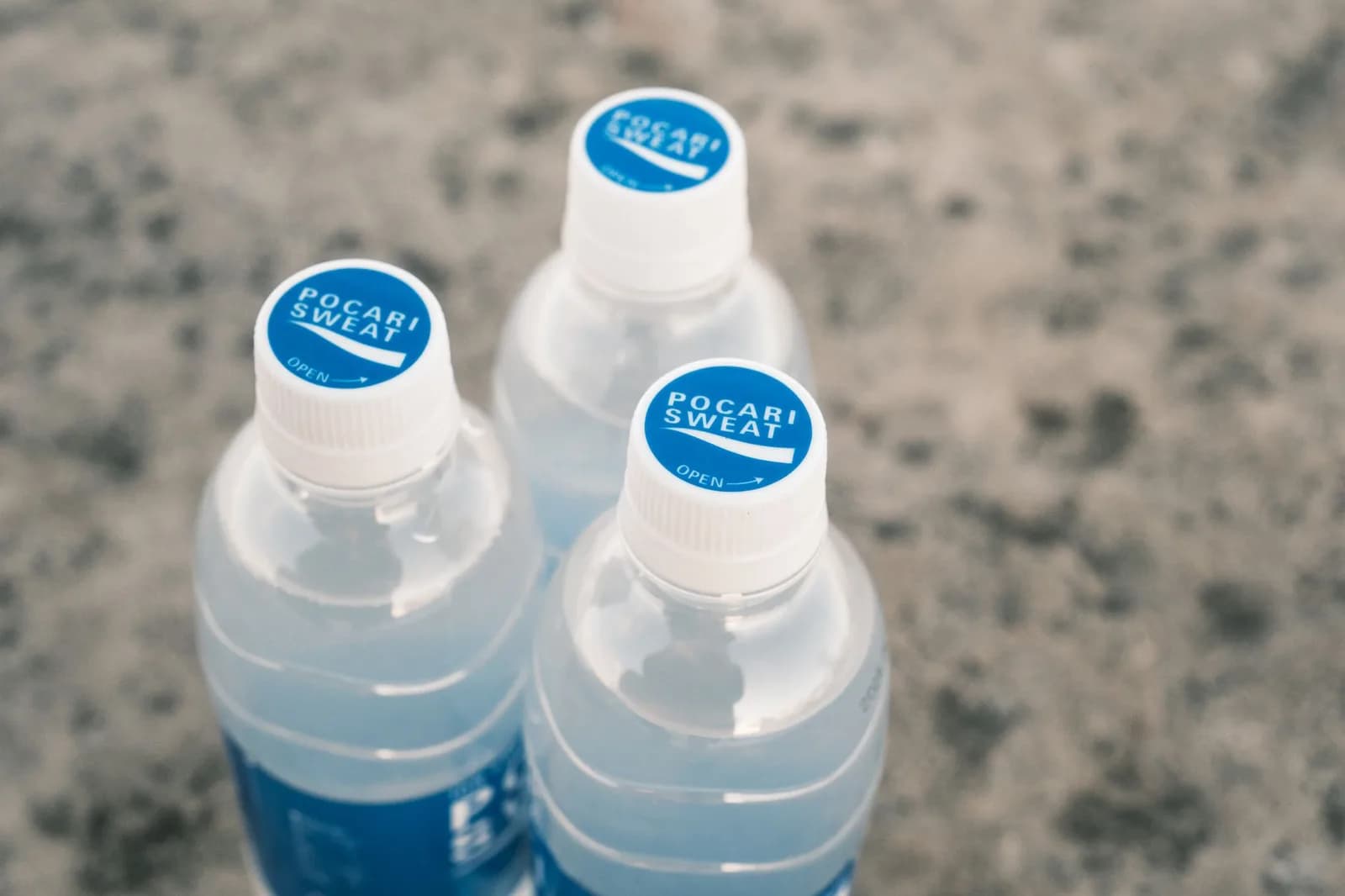
Electrolyte drinks should not replace water every day
You may drink a bottle of electrolyte water every day at the office or after a light walk, thinking it helps “replenish minerals” and “rehydrate quickly.” But when the body has not lost much water or minerals, is the additional sugar and sodium really necessary?
The direct answer is: most adults should not completely replace water with electrolyte drinks. The need for electrolyte replacement mainly increases when the body loses both water and minerals. This can occur during prolonged exercise, heavy sweating, fever, vomiting, or diarrhea. Sodium and chloride help maintain fluid balance. Potassium supports nerve function and muscle contraction. However, supplementation when there is no deficiency generally provides no clear additional benefit.
It is also important to distinguish between bottled electrolyte water, sports drinks, and oral rehydration solution (ORS). These differ in sodium content, sugar content, and intended use. A product designed for exercise is not automatically suitable for diarrhea. ORS is not an everyday beverage.
Water meets ordinary hydration needs
Water requirements vary according to body weight, environmental temperature, activity level, pregnancy, diet, and health status. Therefore, the same fixed amount should not be applied to everyone. During an office workday or light physical activity, water is usually a simple, sugar-free choice that adds no sodium beyond what the diet provides.
Meals containing vegetables, fruit, milk, meat, fish, and reasonable amounts of seasoning already provide many minerals. Hydration needs can be monitored through thirst and pale-yellow urine. Persistently dark urine may suggest that greater attention should be paid to fluid intake.
Ingredients determine the effects of electrolyte drinks
The name on the front of the bottle does not indicate which situations the product is suitable for. The table below shows the practical differences that should be considered.
Comparison of four common types of drinks
| Type | Sodium | Sugar | Main purpose | Not suitable when |
|---|---|---|---|---|
| Water | Very low or none | None | Everyday drinking | Significant salt replacement is needed |
| Bottled electrolyte water | Varies by product | May contain sugar | Replenishing fluids and minerals | Sodium must be restricted |
| Sports drinks | Usually present | Usually present | Prolonged exercise | Physical activity is limited |
| ORS | Based on a specified formula | Glucose based on the formula | Replacing fluids lost through vomiting or diarrhea | Used as a regular beverage |
ORS must be mixed with the exact amount of water stated on the label. Making it too concentrated can result in a solution containing too much salt. Overdiluting it disrupts the required proportions. When reading a beverage label, calculate the amounts based on how much you actually drink, not just one serving listed on the label. If a bottle contains two servings, the actual sodium and carbohydrate intake may be twice the figures shown for one serving on the nutrition label.
Overuse of electrolyte drinks increases sodium and sugar intake
The problem begins when electrolyte drinks become a habit even though the body has not lost a significant amount of minerals. One bottle after a light walk may seem insignificant. However, sodium and sugar add up alongside dipping sauces, braised dishes, processed foods, and other drinks consumed throughout the day. If this habit continues for many weeks, the excess energy and minerals can become an unnoticed burden.
Drinking more electrolytes does not make the body proportionally healthier. The kidneys must still regulate excess water, sodium, and potassium. The level of risk depends on the product formula, the amount consumed, the diet, and underlying medical conditions. Therefore, not all electrolyte drinks should be considered harmful. Choose according to the circumstances and examine the ingredients carefully. Do not use these products to self-treat persistent fatigue, dizziness, or muscle cramps when the cause is unknown.
Excess sodium and sugar pose hidden risks
Excess sodium can increase fluid retention and make blood pressure more difficult to control in some people, especially when the diet already includes plenty of instant noodles, processed meats, pickled foods, or dipping sauces. Meanwhile, the sugar in sports drinks increases calorie intake. Continuous sipping can also make blood sugar harder to control and prolong the time teeth are exposed to sugar.
Conversely, drinking too much water within a short period can also be harmful. Consuming a very large amount of fluid quickly can disrupt sodium balance. Drink gradually according to thirst and circumstances rather than trying to finish several bottles simply because the label says “electrolytes.”
Underlying conditions affect the body’s ability to balance electrolytes
People with kidney disease, heart failure, high blood pressure, or diabetes, as well as those restricting sodium, potassium, or fluids, should consult a doctor before consuming electrolytes every day or independently increasing their intake. Diuretics and some blood pressure medications can also alter sodium or potassium levels. Therefore, supplementation should not be self-prescribed based on vague symptoms such as fatigue.
Seek prompt medical attention if confusion, pronounced muscle weakness, an abnormal heartbeat, very little urination, an inability to drink, or prolonged vomiting and diarrhea occur. These may be signs of significant dehydration or another disorder that requires evaluation rather than simply switching to a different bottled drink.
Consume electrolyte drinks at the right time based on fluid loss
Choose water for ordinary daily activities or light exercise. Sports drinks may be more appropriate during prolonged, high-intensity activity or heavy sweating. When fluids are lost through vomiting or diarrhea, prioritize ORS prepared according to the instructions and seek medical attention if any unusual signs occur.

Before choosing a drink, identify the cause of fluid loss and check the sodium and sugar content for the entire bottle. Use the product as directed while monitoring the ability to drink, urination, and symptoms.
Physical activity and weather determine supplementation needs
Water is usually sufficient for daily activities and short, light workouts. Electrolytes may be more worth considering during prolonged, high-intensity exercise, heavy sweating, or outdoor work in hot weather. Long-distance runners and outdoor workers may need additional sodium. The appropriate amount also depends on the duration of the activity, the level of sweating, and meals.
Take small sips and spread intake evenly rather than drinking a large amount at once. After activity, a balanced meal with water often helps replenish fluids, carbohydrates, and minerals, thereby reducing reliance on sugary sports drinks.
Diarrhea requires electrolyte replacement with the correct formula
When vomiting or diarrhea occurs, prioritize ORS prepared precisely according to the product instructions. Do not casually replace ORS with soft drinks or sports drinks. Do not divide powdered packets by sight, mix them with milk or fruit juice, or keep a prepared solution beyond the period stated on the label.
Young children, older adults, pregnant women, and people with underlying medical conditions should receive individualized advice. If there are signs of severe dehydration, blood in the stool, continuous vomiting, or symptoms that do not improve, seek medical attention. Check the sodium content, sugar content, and number of servings per bottle before your next purchase; if your activity is light, prioritize water.