
A jar of ginseng placed beside the teapot each morning can create the impression that taking it regularly year-round will provide greater nourishment. However, a longer duration of use does not automatically mean greater benefits, especially when the serving size, dosage form, and tolerance have not been assessed. With Lai Châu ginseng, the cautious approach is to use it in goal-oriented courses, record reactions, and then take a break to determine how the body has actually changed. The process below helps establish a regimen based on the product label and individual circumstances rather than choosing a number passed around by word of mouth.
Lai Châu ginseng should be taken in courses with breaks
The direct answer is: Lai Châu ginseng should preferably be taken in courses, following the duration stated on the label or professional guidance, especially when using it for the first time. This approach makes it possible to assess tolerance before deciding whether another course is needed. There is currently no fixed use-and-break schedule suitable for every product, age group, and health condition.
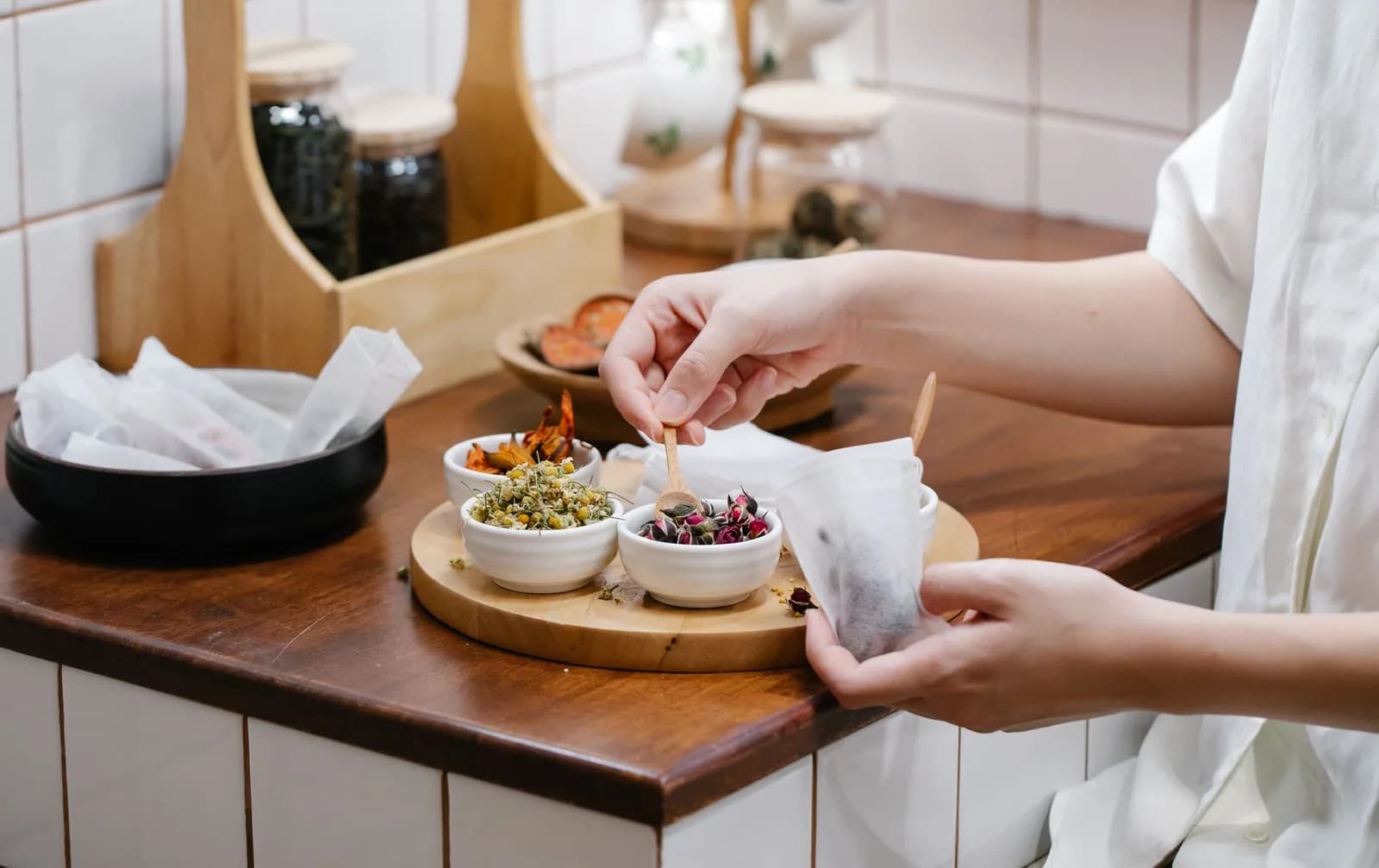
 Abhinav Singh / Pexels
A break is not simply “stopping so the body can readjust.” It is a period of deliberate observation: whether sleep remains stable, how digestion changes, whether fatigue returns, and whether heart rate and blood pressure fluctuate. If ginseng is used continuously for months without evaluation points, users may easily mistake natural health fluctuations for the effects of ginseng.
Lai Châu ginseng or products containing ginseng are commonly used as health supplements intended to support physical well-being according to each product’s declared benefits. Therefore, they should not be viewed as substitutes for medication or a care plan prescribed by a qualified professional.
Continuous use of Lai Châu ginseng does not guarantee additional benefits
The desire to become healthier quickly can lead to two imprudent choices: extending the course or increasing the serving size without guidance. The problem is that higher intake may make insomnia, restlessness, headaches, or digestive discomfort more pronounced, while the expected results may not increase accordingly. This is important to remember when products are promoted with broad claims such as “comprehensive nourishment.”
Data on the long-term use of Lai Châu ginseng specifically remain limited. Findings related to another ginseng species, such as Panax ginseng, should not be extrapolated into a specific dosage or duration of use. Even healthy people should build their foundation on balanced meals, sufficient sleep, and regular physical activity; ginseng is not something that must be taken every day.
The duration of ginseng use depends on 4 individual factors
A reasonable regimen must answer two questions: what is the purpose of using it, and what evidence indicates that use should continue? The four factors below directly affect how each course is planned.
Four factors determining the regimen
| Factor | Effect on the regimen | What to monitor |
|---|---|---|
| Nourishment goal | Determines the criteria and evaluation points | Fatigue level, sleep |
| Product form | Determines the serving size and method of use | Total daily intake |
| Age | Affects tolerance | Sleep, digestion, heart rate |
| Underlying conditions | Requires personalization and interaction checks | Blood glucose, blood pressure |
The goal of “supporting physical recovery after a period of stressful work” is more specific than simply wanting to “take it for better health.” A vague goal makes it easy for users to prolong the regimen without knowing whether the product provides any value. It is better to choose one or two criteria that can be recorded regularly rather than relying entirely on subjective impressions.
In addition, fresh roots, dried slices, tea, extracts, and capsules have different concentrations, combined ingredients, and serving sizes. One root slice cannot be equated with one capsule or one spoonful of extract without information about the content. The figures on the label of the specific product being used are always more practical than counting slices, spoonfuls, or capsules based on experience.
5 steps for using Lai Châu ginseng safely
Instead of looking for a formula specifying how many days to use it and how many days to take a break, users should follow a five-step process. Each step generates information for deciding the next one, from identifying the need to evaluating the results after the break.
A brief journal is a useful tool. Record the product name, dosage form, serving size, time of use, start date, and any unusual reactions. The duration of each course and break must still follow the label instructions or personalized advice rather than mechanically copying someone else’s schedule.
Steps 1 and 2: define the goal, then choose the right product
Step 1, define the purpose of use and review age, underlying conditions, pregnancy, breastfeeding, medications, and supplements currently being taken. Then select one or two easily recognizable criteria, such as the number of nighttime awakenings, fatigue on a scale of 0–10, or post-meal bloating.
Step 2, choose a product with clear instructions. Before purchasing, check five groups of information:
- Product name and form.
- Declared ingredients or content.
- Recommended serving size and directions for use.
- Intended users and warnings.
- Responsible entity, batch number, and expiration date.
A reliable seller, product declaration records, and traceability are more important than advertising claims. The root’s appearance is useful only for initial screening; the number of nodes, skin color, or rhizome shape is not enough to reliably verify its origin and active-compound content.
Step 3: use a low dose at the right time
Within the label instructions, start at a low level, especially if you have never used the product before. Do not add servings on your own if you drink ginseng tea in the morning, take capsules at noon, and use a ginseng-containing extract in the afternoon. The total amount from multiple products may exceed expectations even if each individual portion appears insignificant.
Measuring tools must also be appropriate: use a measuring spoon or cup for liquid products rather than estimating with a household spoon. If the product increases alertness, take it in the morning or early afternoon and avoid using it close to bedtime. During the first few days, record the time of consumption and when reactions occur to identify possible connections.
Do not apply the serving size intended for healthy adults to older adults, children, or people with underlying conditions. A natural origin does not mean a product can be used indiscriminately.
Steps 4 and 5: take a break after the course, then decide whether to continue
Step 4, complete the course according to the duration stated on the label or professional guidance, then take a break. During this period, do not immediately switch to another type of ginseng, because making several changes at once will confound the evaluation results.
Step 5, compare the journal with the original goal. Did sleep, fatigue, digestion, heart rate, or blood pressure change consistently, or did they merely fluctuate for a few days? Consider a new course only if the need remains, the body tolerates the product well, and the method of use is appropriate.
If no benefit is apparent, review your expectations, product quality, timing of use, and other possible health causes. Do not increase the dose or shorten the break on your own to “make up” for inadequate results. Persistent fatigue, unintended weight loss, or prolonged insomnia requires separate evaluation.
6 warning signs and 4 groups that should use ginseng cautiously
Monitoring reactions helps distinguish mild discomfort that may be related to the serving size or timing from situations requiring medical assistance. When consulting a doctor, pharmacist, or traditional medicine practitioner, bring the packaging or a clear photo of the ingredients and directions for use. The name “Lai Châu ginseng” alone is insufficient to assess a combination product.

6 signs that indicate reducing the dose or stopping Lai Châu ginseng
Six symptoms to watch for are insomnia, restlessness or agitation, headache, rapid heartbeat, increased or fluctuating blood pressure, nausea, or diarrhea. Record when they occur, their severity, and the interval since the most recent dose. For mild insomnia or restlessness, stop using the product and review the serving size and timing rather than immediately switching to another product.
A rapid heartbeat, abnormal blood pressure, or persistent symptoms require medical advice. Difficulty breathing, swelling of the lips or tongue, widespread hives, chest pain, dizziness, or fainting are situations in which the product must be stopped and emergency medical assistance sought.
4 groups that should seek professional advice before each course
The four groups requiring caution are people taking medications, people with underlying conditions, pregnant or breastfeeding women, and children. These groups should not independently follow schedules or serving sizes intended for healthy adults.
People taking medications that affect blood glucose, blood pressure, blood clotting, or the nervous system should provide the full names, dosages, and administration times of their medications so that the risk of interactions can be checked. Never stop or reduce medication on your own in order to take ginseng. People with diabetes, hypertension, heart disease, or upcoming surgery should also ask which indicators need monitoring and when use should be discontinued.
Quick answers about the duration of ginseng use and breaks
Healthy people do not need to take ginseng year-round. It should only be considered when there is a specific goal, a traceable product, and a plan for evaluating the response. There is no universal answer for how long Lai Châu ginseng should be taken before a break; prioritize the duration stated on the label, do not exceed the recommended serving size, and consult a qualified professional if the information is incomplete or unclear.
Before a course, verify the product and review the risks; during the course, use the correct serving size and record reactions; after the course, take a break to evaluate the results before continuing.
Previously, the habit of taking ginseng every day may have made it difficult for users to know what their bodies were actually gaining. After applying the process above, every course has a clear goal, supporting data, and stopping point. The bridge between these two states is simple: read the label carefully, keep a journal from the first dose, and proactively seek professional advice before a new course when taking other medications or living with an underlying condition.
This product is not a medicine and is not intended to replace medicines used to treat disease.