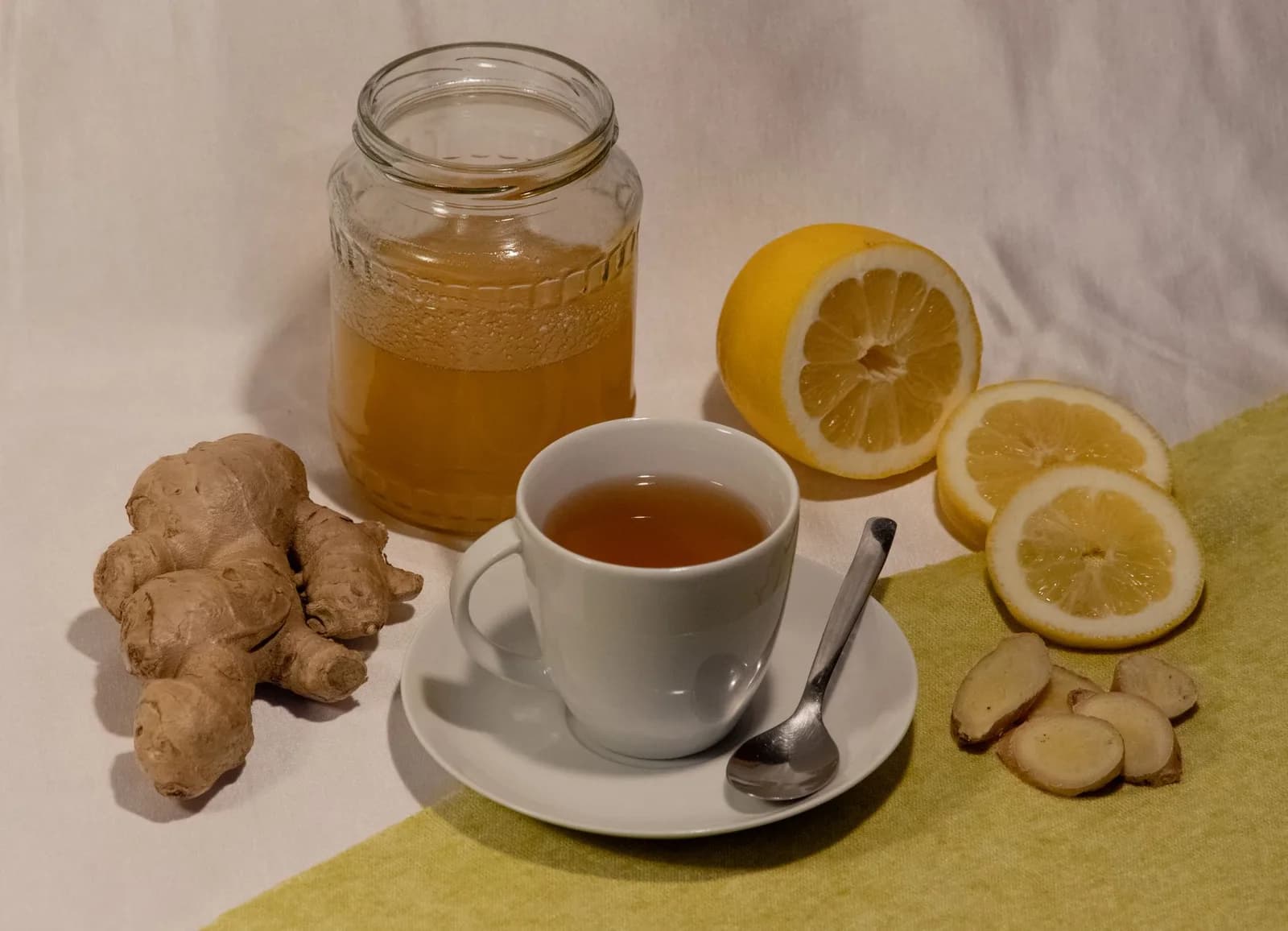
Comparison of Ngọc Linh ginseng infused in honey, alcohol, and dried
The same Ngọc Linh ginseng root offers a very different user experience when infused in honey, alcohol, or dried. The honey form is sweet and easy to use but increases sugar intake; the alcohol form is convenient to measure in milliliters but adds ethanol to the diet; the dried form is compact and easy to weigh, yet retains its characteristic bitterness. If you focus only on choosing a form, you may overlook more important factors: your health condition, daily habits, and ability to control the amount used.
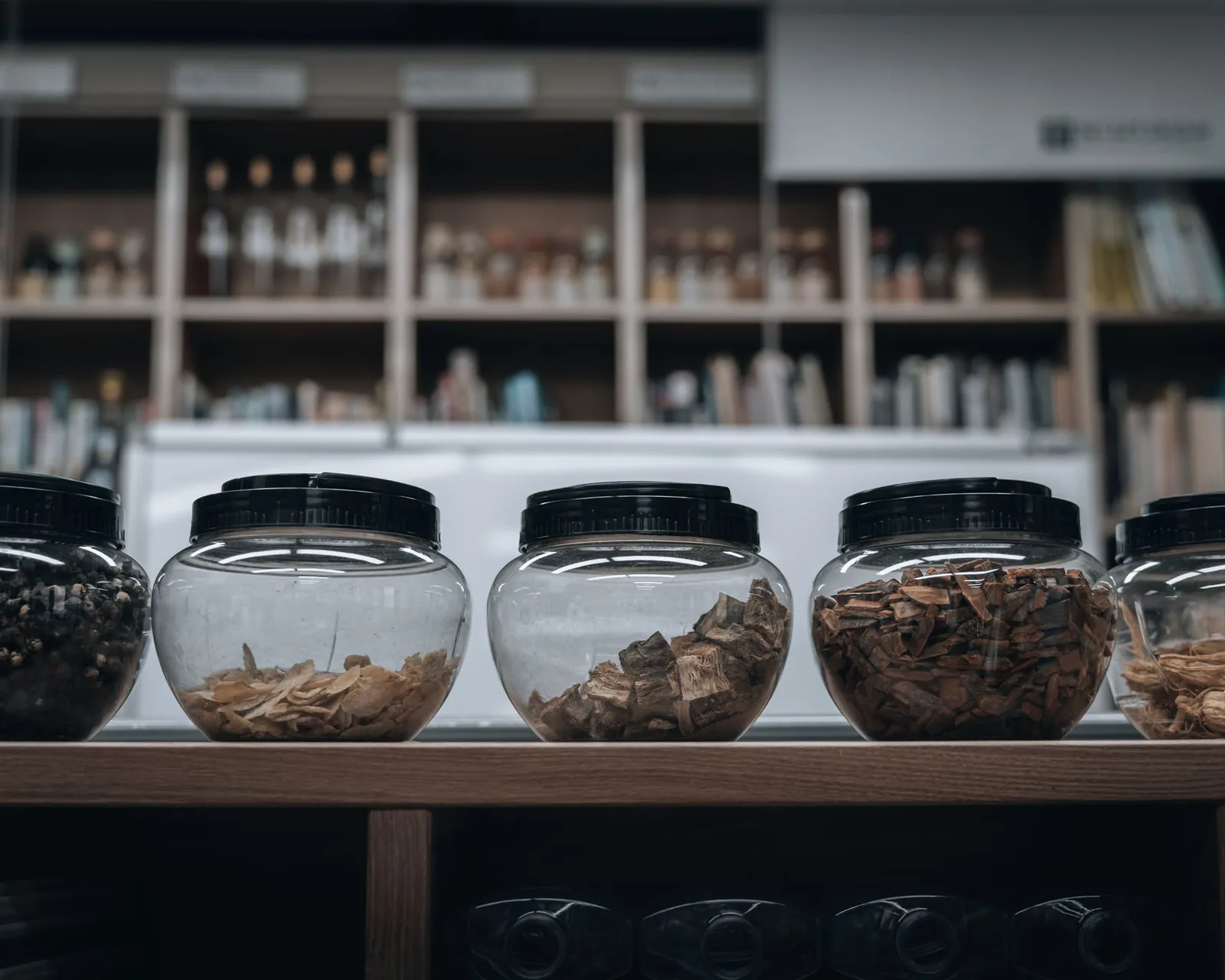
The table below compares the three forms using practical criteria to consider before purchasing or preparing them:
| Criterion | Honey infusion | Alcohol infusion | Dried |
|---|---|---|---|
| Method | Infused in honey | Extracted by soaking in alcohol | Water reduced with heat |
| Taste | Sweet, softens the bitterness | Pungent, warming, alcoholic aroma | Characteristic bitter, aromatic taste |
| Dosage measurement | By spoonful and ginseng ratio | By milliliters | By grams or slices |
| Preparation | Requires infusion time | Requires infusion time | Ready to use after opening |
| Storage | Sealed, dry, protected from moisture | Sealed, away from heat and flames | Sealed, moisture-proof |
| Additional components | Contains a significant amount of sugar | Contains ethanol | No added sugar or alcohol required |
| Suitable for | People who need an easier taste | People who do not need to avoid alcohol | People who prioritize clear dosage measurement |
There is no single best way to prepare Ngọc Linh ginseng for everyone. People who need to control sugar intake must consider the honey form; those avoiding alcohol, preparing to drive, pregnant, or taking medicines with potential interactions should not casually choose ginseng alcohol. In all cases, the root's origin, ingredient ratio, processing hygiene, storage conditions, and amount used are variables that must be considered together.
An important point is that processing mainly changes taste, convenience, and accompanying ingredients. Converting a fresh root into an infused mixture or dried slices does not turn the product into medicine, nor does it guarantee a particular health outcome or therapeutic effect.
The solvent determines the accompanying components of each ginseng form
With ginseng infused in honey, each use includes not only ginseng but also natural sugars from honey. The actual sugar amount depends on the mixing ratio and the portion of honey taken out; a full spoonful of honey differs substantially from a spoonful consisting mainly of ginseng slices. Therefore, people managing blood sugar or total dietary energy should read the ingredients carefully and consult a qualified professional rather than assume this is merely “ginseng.”
Alcohol acts as a solvent while also adding ethanol. The initial alcohol concentration, amount consumed each time, and frequency of use must all be counted toward total alcoholic beverage intake; they cannot be ignored simply because the alcohol has been infused with medicinal herbs. In contrast, drying primarily removes water, making the ingredient more compact without requiring added sugar or alcohol.
Infusion and drying conditions may affect extraction or the stability of certain compounds. However, this does not allow us to conclude that honey, alcohol, or dried ginseng is always absorbed better without direct comparative data on the specific product. When evaluating, check the ginseng ratio in the finished product, alcohol concentration, drying temperature or method, additives, and ingredient label. The name on the front of the package does not sufficiently reflect the actual amount of ginseng received.
Taste and dosage measurement create differences in use
Honey masks some of the bitterness, creating a smoother and more approachable experience, especially for people who find plain ginseng slices difficult to use. In return, one spoonful of the mixture does not automatically equal a fixed dose of ginseng. If slices are uneven, the ginseng settles inconsistently, or the manufacturer does not disclose the mixing ratio, two spoonfuls of the same volume may still contain different amounts of ginseng.
Ginseng alcohol is more convenient in that it can be measured by milliliters, but that number only indicates liquid volume. You still need to check the alcohol concentration and add the ethanol amount to all alcoholic beverages consumed that day. Dried ginseng is often easier to control when the package clearly states net weight, weight per packet, or slice specifications; counting slices is only reliable when thickness and size have been standardized.
A simple approach is to keep a dedicated measuring spoon for the honey form, a graduated cup for the alcohol form, and a precision scale with 0.1 g graduations for the dried form. Your log should record the date, time, number of grams or milliliters, product used, and any unusual reactions. This habit helps prevent using a heaped spoon today and a level spoon tomorrow while assuming the amount remains unchanged.
Processing time and shelf life are not the same
Infused forms need time for the ginseng to contact honey or alcohol; the specific duration depends on the formula, slice size, ingredient ratio, and storage conditions. Dried ginseng does not require waiting for an infusion process, so it is more flexible after opening: you can weigh the amount needed and tightly reseal the remainder. However, this advantage is maintained only if the product does not absorb moisture.
Three time points are often confused: the infusion time before use, the expiration date stated by the manufacturer, and the period within which the product should be finished after opening. They cannot replace one another. A jar that has been infused for a long time is not necessarily of higher quality; an extended period can also increase risks if ingredients rise above the solvent, utensils are unclean, or the lid is not tightly closed. For packaged products, follow the label instructions rather than applying a word-of-mouth time frame to every product.
Before each use, inspect visually and smell the product when opening the lid. Sour or unusual odors, unusual foam, mold, clearly changed color, damp soft dried ginseng, or packaging that has lost its seal are all signs to stop using and discard the product. Do not taste it to determine whether it has spoiled, and do not remove the moldy part and continue using the rest.
How to safely prepare Ngọc Linh ginseng in each form
Home preparation may seem simple, but even a little water remaining on the root, a batch of alcohol with an unknown concentration, or several hours of overly hot drying can alter the finished product's aroma, color, and stability. More concerningly, moisture and unclean utensils create conditions for microorganisms to grow; meanwhile, word-of-mouth recipes make it difficult for users to control quality between batches. The appropriate approach is not to infuse it longer or dry it more thoroughly, but to use a process that can be monitored and repeated.
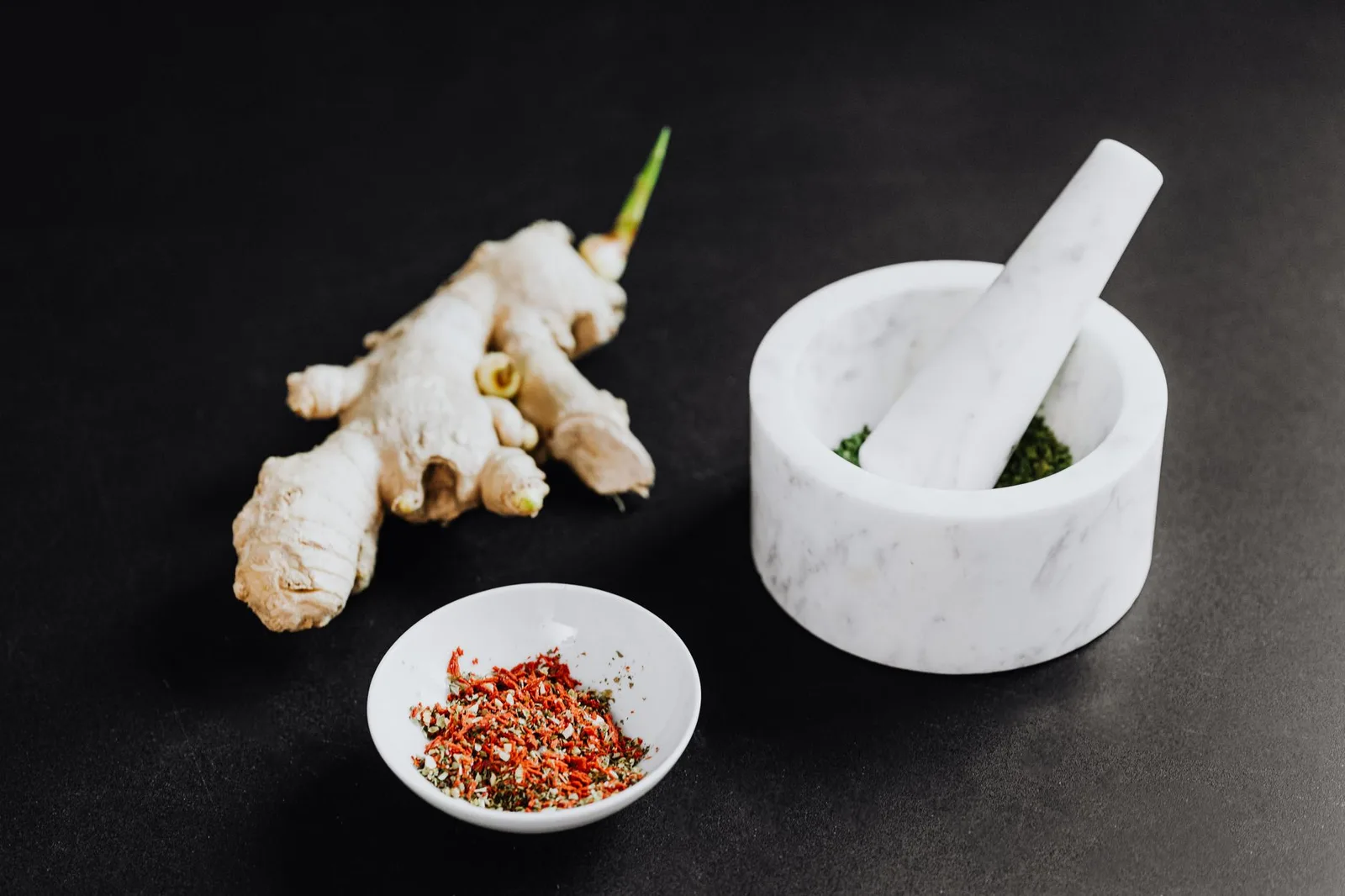
First, use only roots with a clear origin and normal sensory condition, with no sliminess, unusual odor, or moldy areas. Remove soil and sand with clean water, handle gently to avoid bruising the root, then allow the surface to dry completely before slicing or placing it in a jar. Knives, cutting boards, trays, tongs, and jars that come into direct contact with the product must be clean, dry, rust-free, free of chemical odors, and suitable for food storage. Do not reuse containers that previously held chemicals or materials of unknown composition.
Each batch should have a label recording the preparation date, ginseng weight, amount of honey or alcohol, opening date, and signs to monitor. This practice helps you recognize unusual changes rather than relying on memory. Homemade products also have no basis for being assigned disease-treatment claims. If you need to determine an amount to use, prioritize instructions on the label of a legally marketed product or consult a qualified professional, especially if you are taking medication, pregnant, breastfeeding, or have an underlying condition.
Ngọc Linh ginseng infused in honey requires control of water and sugar
With Ngọc Linh ginseng infused in honey, water is a key control point. Wet ginseng slices, a jar that is not dry, or a spoon with water on it can all dilute the mixture. When conditions change, the risk of fermentation, foaming, sour odor, or spoilage increases. Honey's intense sweetness does not mean every infusion batch is automatically stable, especially when ingredient ratios are estimated by eye.
After cleaning and draining, slice the ginseng into relatively even pieces so all portions contact the honey more consistently. The jar should be cleaned and completely dried before arranging the ginseng. Pour in honey so that it covers the ingredients, while leaving reasonable headspace at the top of the jar for easy observation. During the first few days, ginseng slices may float; check without leaving the lid open too long and handle them with clean, dry utensils rather than pressing them down directly with your hands.
Each time you take some out, use a separate dry spoon; do not taste from it and return it to the jar. A spoon that has just stirred water or contacted the mouth can introduce additional water, food particles, and microorganisms into the entire batch. If you see unusually increased foam, a swollen lid, a sharp sour odor, strong yeasty smell, sliminess, or mold, do not try to taste it for assessment and do not continue using it.
When discussing the effects of Ngọc Linh ginseng infused in honey, the two ingredients should be distinguished. Honey primarily supplies carbohydrates and creates an easy-to-use taste; any supportive effects mentioned for ginseng must be based on the raw-material form, content, and specific product. Combining the two ingredients does not automatically create a disease-treatment effect, does not guarantee suitability for everyone, and cannot replace medication. People who need to manage blood sugar or restrict sugar should especially not regard honey as a “non-counting” part of their diet.
Ngọc Linh ginseng infused in alcohol must have the correct concentration and duration
A concerning mistake in alcohol infusion is choosing alcohol based on word-of-mouth advice: the stronger the better, and the longer it is kept, the more valuable it becomes. In reality, unlabeled ingredients leave users unaware of their composition, concentration, or production conditions. Industrial alcohol and uncontrolled blended alcohol may also contain dangerous impurities. Therefore, use only food-grade alcohol with clear origin, labeling, and stated concentration; do not mix alcohol yourself or estimate alcohol strength by smell or taste.
The infusion jar must be clean, dry, sealed, and made from material suitable for alcoholic beverages. Weigh the ginseng, measure the alcohol, and record the exact ratio and infusion start date on the jar. The usable time should not be determined solely by the alcohol's color, because a darker color does not fully reflect quality or safety. If using a product or ingredient kit with instructions, follow its stated ratio, duration, and storage conditions rather than extending the process indefinitely yourself.
Place the jar upright in a stable location, away from hot stoves, direct sunlight, ignition sources, and the reach of children. Avoid opening it repeatedly to smell or taste; each opening increases exposure to air and contamination. A leaking jar, deformed lid, unusually smelling liquid, or other unusual signs requires discontinuing use for assessment.
A point that cannot be overlooked: ginseng alcohol is still an alcoholic beverage. Ginseng does not neutralize ethanol, and infusing additional herbs does not reduce alcohol-related harm. Do not use it before driving, operating machinery, or performing work requiring precise reflexes. People who should not drink alcohol, are taking medicines that may interact, or have underlying conditions should ask a qualified professional rather than set their own daily “tonic dose.”
Dried Ngọc Linh ginseng requires controlled temperature
Overly hot drying often feels quick and convenient, but the surface of ginseng slices may darken, curl and harden, or develop a burnt smell before moisture inside escapes evenly. Conversely, low heat combined with too short a drying time may leave the core soft and moist. This moisture is difficult to detect by looking only at the exterior, but it reduces stability when the product is sealed and stored long term.
There is no single temperature suitable for every machine, because equipment differs in airflow, power, tray load, slice thickness, and actual temperature control. A safer approach is to use a validated process from a processing facility or follow the food-specific instructions for the dehydrator. Do not use the displayed temperature as the only proof; arrange slices in a single layer without thick stacking, maintain space for airflow, and check dryness at multiple positions on the tray.
Before drying, ginseng slices should be of relatively uniform thickness. Slices that are too thin can dry dark at the edges, while thick slices prolong moisture removal. After completion, allow the product to cool in a clean, dry environment before packaging; packaging it while still hot can create condensation inside the package. A finished product with acceptable sensory quality should be relatively evenly dry, with no soft damp spots and no burnt, sour, or moldy odor.
If some slices remain chewy, soft, or noticeably moister, do not mix them together and store them for a long time. Home users often do not have moisture-measuring equipment, so claiming a long storage life lacks basis. Prepare a moderate amount, record the drying date, batch condition, and packaging date. When color, smell, or structure changes unusually, discard it rather than attempting to roast or dry it again to conceal signs of spoilage.
Store Ngọc Linh ginseng according to moisture and packaging
Correct preparation can still result in a spoiled batch if storage is improper. Honey jars and alcohol infusion jars need tight lids, stable placement, and minimal prolonged opening. After opening, storage temperature must follow the product label or processor's guidance; do not assume all forms can be stored at room temperature. Always record the opening date, as this is the practical reference point for monitoring frequency of use and changes in smell, color, foam, or clarity.
For dried ginseng, packaging must be sealed, clean, and prevent contact with humid air. Choose a cool, dry place away from light, steam from the kitchen, and areas with large temperature fluctuations. Dividing it into multiple small packets is a practical solution: instead of opening one large jar every day, open only enough for short-term use, so the remainder has less contact with hands, air, and moisture. If using food-safe desiccant packets, keep them in their original packaging and prevent children from mistaking them for food.
Check both the packaging and ingredients regularly. A loose lid, punctured bag, condensation, ginseng becoming soft again, a damp smell, unusual spots, or mold filaments are all signals to stop using the product. Do not simply cut away the moldy area and use the rest: fungal threads and metabolites may extend beyond what is visible to the eye. Tasting is also not a safe inspection method.
A small label should show at minimum the name of the preparation form, ingredient ratio, preparation date, packaging or opening date, and unusual notes. This simple system turns storage from guesswork into evidence-based monitoring, while helping you discard a batch promptly when it no longer meets quality standards.
Choose Ngọc Linh ginseng using 4 health criteria
Before considering flavor, verify whether the ginseng root is truly Panax vietnamensis and has a clear origin. Infusing it in honey or alcohol, or drying it, are merely processing methods; no method can compensate for counterfeit, degraded, or Codonopsis root mistakenly identified as ginseng. An attractive infusion jar may still not be worth buying if the seller does not disclose the ginseng ratio, growing region, and responsible entity.
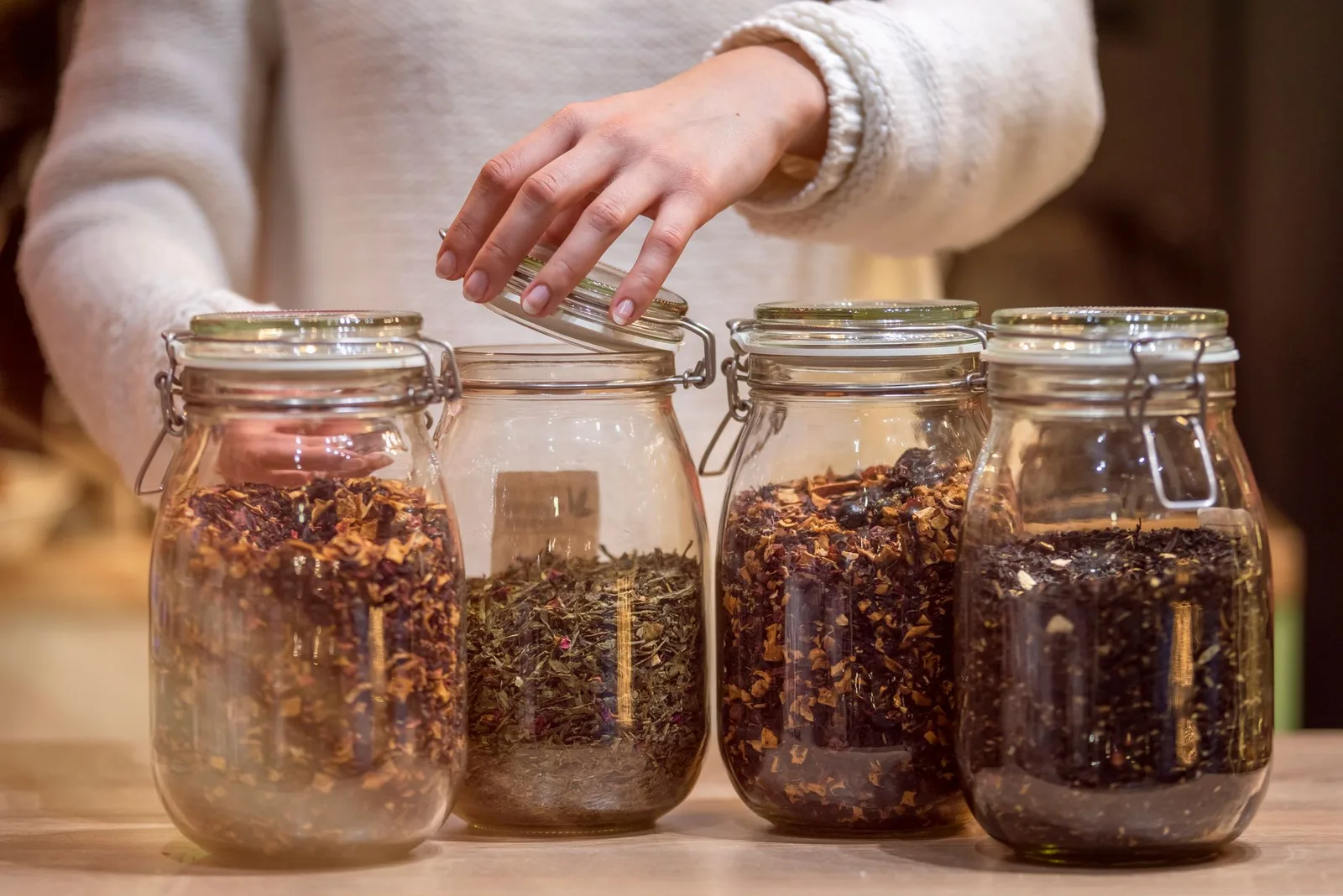
After that prerequisite, the decision should be based on four criteria: sugar and alcohol to avoid, ability to measure each use, convenience, and actual storage conditions. For example, people who need to control carbohydrates can hardly regard the honey form as an optional choice; people avoiding alcohol must rule out the alcohol form from the outset; and people who need precise weighing generally find the dried form easier to manage.
Safety must come before taste, especially if you have an underlying condition, are taking medication, pregnant, breastfeeding, or preparing for surgery. Do not assume that a natural product can always be used alongside medication. A sensible course of action is to check the label, choose an appropriate form, start with the instructed amount and frequency, and monitor your response. If rash, difficulty breathing, dizziness, palpitations, abdominal pain, or other unusual symptoms occur, stop use and contact a medical facility rather than trying to finish the product.
Honey is suitable when an easy-to-use taste is the priority
Honey provides sweetness, viscosity, and aroma, making ginseng slices feel less bitter. This form is more suitable for adults who do not need to restrict sugar and want simple use: open the jar, take the labeled amount, then close it tightly. However, ease of use also has a downside. The sweet taste makes users more likely to take another spoonful or use it multiple times without realizing that carbohydrate intake has increased.
Therefore, the amount of honey used must be counted toward total daily carbohydrates instead of being considered an insignificant supplement. People with diabetes, prediabetes, or weight-management goals should consult a doctor or dietitian before use. Honey still contains sugar; natural origin does not mean unlimited use is appropriate. You should also read the ingredients to determine whether the product contains added sugar, syrup, or other sweetening ingredients.
An important safety boundary to remember is that children under 12 months old must not consume honey, including ginseng-infused honey or even a small amount. For older children, the question is not only about honey: the ginseng ingredients, amount used, and age-appropriateness still require professional assessment. Do not simply halve an adult serving and automatically apply it to a child.
Ginseng alcohol is only for people without contraindications
Ginseng alcohol may be familiar to use, but alcohol is the factor that must be screened first. This form is unsuitable for minors, pregnant or breastfeeding women, people preparing to drive or operate machinery, and people who have been advised to avoid alcohol. If your regular schedule frequently involves driving, choosing an alcohol-free form is more practical than trying to arrange a drinking time.
People with liver disease, a history of alcohol-use disorder, or sensitive stomachs or digestive tracts should avoid it or ask a doctor first. Caution also applies when taking medicines that may interact with alcohol, cause drowsiness or dizziness, or alter the body's response. In particular, do not stop prescribed medication on your own simply to switch to ginseng alcohol.
A small cup is still an exposure to alcohol. Therefore, arguments such as “only for nourishment” or “the amount is very small” do not eliminate alcohol-related risks. Do not combine ginseng alcohol with beer, wine, or other alcoholic beverages on the same day, and do not use it to pressure guests during meals. When the label does not clearly state alcohol concentration, ginseng ratio, amount to use, or infusion time, it is difficult to measure and you should consider a more transparent product.
Dried Ngọc Linh ginseng suits people avoiding sugar and alcohol
The dried form does not carry honey or alcohol as the two infused forms do, making it convenient when accompanying components need to be controlled. Ginseng slices can be weighed by grams, brewed in water, steeped, or used exactly as directed on the label. This ability to measure dosage is particularly useful when you want to maintain a consistent intake from day to day rather than estimating with spoons or cups.
However, thin, light slices often create the impression that they are “not much,” making users likely to increase the amount themselves. How to use dried Ngọc Linh ginseng effectively and in a controlled manner must begin with the dose stated by the manufacturer, not the slice size or the strength of the brewed water's taste. If the product requires weighing in grams, use a suitable electronic scale rather than grabbing a handful. Using more does not mean receiving greater benefits and may increase the likelihood of unwanted reactions.
For people who travel frequently for work, small sealed pre-portioned packs reduce the number of times packaging is opened and limit moisture absorption. Despite being convenient to carry, dried ginseng should not be left in a closed car, hot trunk, or humid bathroom. After opening, reseal it immediately, use clean dry utensils, and follow the storage temperature on the label. If the slices develop a changed odor, become soft or damp, show unusual spots, or the packaging loses its seal, do not continue use.
Origin and concurrent medication determine safety
Label checks should be performed before comparing prices. Minimum information includes the scientific name Panax vietnamensis, growing region, responsible establishment, ginseng weight or ratio, additional ingredients, batch number, expiration date, and storage instructions. For infused forms, also check the type of honey or alcohol concentration; for dried forms, pay attention to net weight and packaging condition. These data help you know what you are using and make it easier to report quality concerns if needed.
Codonopsis root is not Ngọc Linh ginseng and cannot be treated as the same simply because both contain the word “ginseng.” Unusually low prices, vague growing-region descriptions, difficult-to-verify batch numbers, supplementary labels lacking information, or advertising that a product can cure disease are all signs requiring caution. In such situations, do not let the root's appearance, infusion color, or verbal promises replace traceability records.
Finally, make a list of prescription medicines, over-the-counter medicines, and supplements you are using for review with a doctor or pharmacist. This is especially important for medicines affecting blood sugar, blood clotting, or blood pressure, as well as before surgery. Even if approved by a professional, you should still use the product according to its label and avoid combining multiple ginseng forms at the same time so that total intake is not difficult to determine. If unusual symptoms occur, stop the product, keep the packaging, and seek medical care; information about the batch, ingredients, amount, and time of use will support a more accurate assessment.
This food is not medicine and is not intended to replace medicine for disease treatment.