Table of Contents
Preparing dried Sâm Ngọc Linh before use
Slicing and pre-porting dried ginseng
Storing dried ginseng to prevent moisture and loss of aroma
5 ways to use dried Sâm Ngọc Linh daily
Brewing tea and sucking on ginseng slices at the right time
Making porridge and infusing dried ginseng in honey
Ginseng-infused liquor is only for suitable individuals
Choosing a safe method and dosage for dried ginseng
Groups who should consult a doctor before using ginseng
Signs that you should stop using ginseng and seek medical care
Preparing dried Sâm Ngọc Linh before use
A jar of dried Sâm Ngọc Linh may sit untouched on a shelf for weeks simply because its owner does not know how much to take, how to prepare it, or when to use it. Estimating by eye may seem quick, but differences in slice thickness can easily result in inaccurate portions. Once you know how to portion, store, and choose the right preparation, you can incorporate ginseng into your routine more conveniently while still controlling the total daily amount. The following content provides specific guidance from preparation through 5 practical uses.
Dried ginseng has had much of its water removed, so its conditions of use and storage differ from those of fresh ginseng. Each product may have different characteristics, so read the label for information about the product form, ingredients, serving size, and storage instructions. Do not take an amount of fresh ginseng and convert it to dried ginseng using an arbitrary ratio.
Before opening the package, check the name of the responsible entity, place of manufacture, lot number, expiration date, ingredients, and storage instructions. For products marketed as Sâm Ngọc Linh, information about the cultivation region and traceability records should be particularly clear. You can read the article How to distinguish genuine from fake Sâm Ngọc Linh using 5 signs before purchasing. Then follow the dosage recommended by the manufacturer or a healthcare professional, and do not combine multiple ginseng-containing preparations on the same day.
Slicing and pre-porting dried ginseng
If the ginseng root has not been cut, use a clean, dry knife and cutting board to cut it into relatively even slices. Do not slice the entire root if your household equipment cannot produce even slices or if the label requires the root to be stored whole.
Use an electronic scale with suitable precision to divide the ginseng into individual portions according to the label rather than counting slices. Two slices with the same diameter but different thicknesses may differ considerably in weight. Label each packet with the portioning date, amount of ginseng, and intended use, such as “brewing tea” or “making porridge”; also keep a log to avoid repeated use during the day.
Storing dried ginseng to prevent moisture and loss of aroma
Place the ginseng in a clean, airtight, dry jar and keep it in a cool location away from sunlight, hot cooking areas, and strong-smelling foods. Always prioritize the conditions stated on the label, as some products have specific requirements after opening. You may also refer to the article Guide to storing Sâm Ngọc Linh by product form to distinguish between storage methods for fresh ginseng, dried ginseng, powder, and extract.
Each time you use it, remove the ginseng only with a dry spoon or tongs and close the lid immediately. Do not attempt to wash, re-dry, or continue using ginseng if it becomes soft or damp, develops unusual discoloration or odors, or shows mold; do not taste a product suspected of being spoiled. Refer to materials from the Vietnam Food Administration, “Recommendations for Ensuring Food Safety”.
5 ways to use dried Sâm Ngọc Linh daily
The five methods below are five preparation options, not a menu to be consumed together. A slice in a pot of tea, a spoonful of ginseng-infused honey, and the ginseng in porridge must all be included in the day's total portion. For beginners, methods using fewer ingredients, such as brewing tea or sucking on a slice, make it easier to monitor tolerance.
Tea, slices for sucking, and porridge can be prepared for use during the day. Ginseng-infused honey and ginseng liquor require infusion time, more thorough hygiene procedures, and additional considerations regarding sugar or alcohol. The difference lies in how they are used; a more elaborate preparation is not necessarily more suitable. The key is to choose based on your health, current medications, and the product label.
Brewing tea and sucking on ginseng slices at the right time
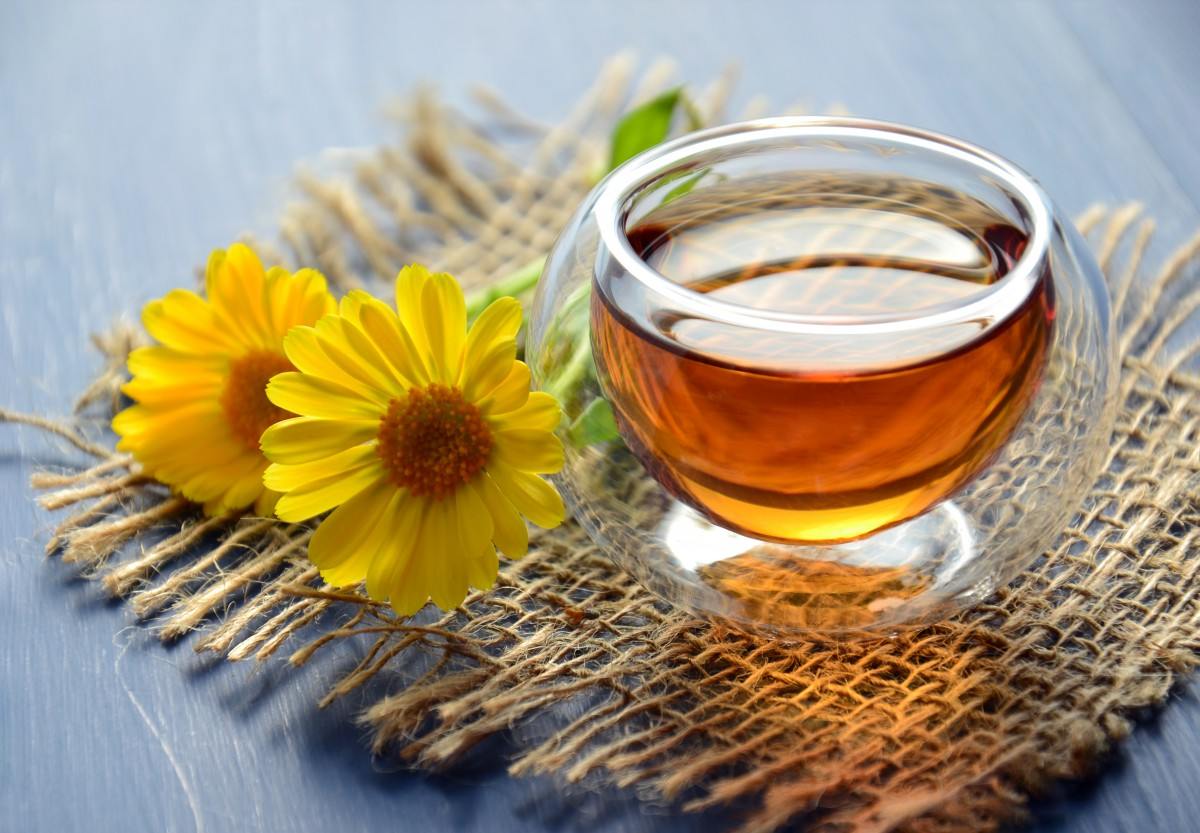
To brew tea, follow these four steps:
Rinse the teapot and allow it to drain.
Place the correctly weighed portion of ginseng in the teapot.
Pour in water at approximately 70-80°C.
Steep until it reaches the desired flavor, then pour and serve.
Do not boil it for an extended period unless instructed by the manufacturer. You may steep the slices again while they still have flavor and chew the remaining slices afterward if the product is confirmed as suitable for direct consumption. As a precaution, prepare only enough brewed tea for your needs and consume it promptly during the day; do not automatically apply the two-hour rule for perishable foods if the product instructions do not mention it.
When sucking on ginseng, choose a thin, intact slice with no signs of dampness or mold. It is advisable to use it during the day so that you can conveniently monitor any reactions. The U.S. National Center for Complementary and Integrative Health, “Asian Ginseng” notes that insomnia is a common adverse effect of Asian ginseng. These are not direct research data on Panax vietnamensis, so they cannot be fully extrapolated to Sâm Ngọc Linh; however, anyone who experiences restlessness or difficulty sleeping should stop using it close to bedtime and monitor their response.
Making porridge and infusing dried ginseng in honey
For porridge, cook the rice with the main ingredients until nearly done, then add the pre-portioned ginseng. The recipe should be mild and contain few ingredients so that the cause can be identified more easily if discomfort occurs. Do not add multiple medicinal herbs at once simply because they commonly appear in “tonic” dishes; complex combinations increase the risk of duplicate use and make interactions difficult to assess.
Divide the porridge into suitable servings, promptly refrigerate any unused portion, and reheat it thoroughly before eating. Specific guidance on cooling and using leftovers is available from the U.S. Department of Agriculture, “Leftovers and Food Safety”.
To infuse ginseng in honey, wash the jar and dry it completely, place the dried ginseng inside, and cover it fully with honey from a clearly identified source. The article Guide to identifying and choosing pure honey provides additional criteria for checking labels and origin. The World Health Organization classifies the sugars in honey as free sugars; therefore, the amount of honey should be included in your total daily sugar intake, especially if you are managing blood glucose. See the World Health Organization, “Guideline: Sugars intake for adults and children”.
Ginseng-infused liquor is only for suitable individuals
The infusion jar must be cleaned and dried; the ginseng must be intact and free of mold; and the liquor must be labeled and legally sourced. Add the correct quantity according to a reliable recipe, seal the jar, and record the infusion date. If you notice an unusual odor, unexplained color changes, a film on the surface, or abnormal sediment, do not continue using it.
Ginseng liquor is not medicine and should not be assumed to be suitable for daily use. The World Health Organization, “Alcohol” states that consuming alcoholic beverages is associated with health risks; infusing alcohol with ginseng does not eliminate the effects of ethanol. Children, pregnant or breastfeeding individuals, drivers, people with liver disease or a history of alcohol dependence, and those taking medications contraindicated with alcohol must exclude this option.
Choosing a safe method and dosage for dried ginseng
The following table helps compare preparation requirements and ingredients that need consideration. It is only a tool for choosing a preparation method and does not replace medical assessment.
Comparison of 5 ways to use dried ginseng
Method | Time | Convenience | Key consideration | Who should avoid it |
|---|---|---|---|---|
Brewing tea | A few minutes | High | Water temperature | People prone to insomnia |
Sucking on slices | Immediate use | High | Weight of each slice | People with difficulty chewing or swallowing |
Making porridge | 30–60 minutes | Medium | Food storage | People who must avoid porridge ingredients |
Infusing in honey | Several days | Medium | Free sugars | People who must limit sugar |
Infusing in liquor | Many days | Low | Ethanol | People who must avoid alcohol |
Beginners should choose one method, start with the lowest amount stated on the label or follow professional advice, and record the time of use and any reactions. Do not increase the amount on your own simply because you have not noticed any changes. The problem often lies in cumulative intake: drinking tea in the morning, eating porridge at noon, and consuming ginseng-infused honey in the evening while treating them as three different preparations. The solution is to keep a log and calculate the total weight of all ginseng-containing products consumed during the day.
Dried ginseng dosage depends on the individual product
There is no single gram amount suitable for every dried Sâm Ngọc Linh product. Whole roots, slices, and powders may differ, as may the stated serving sizes of individual products. Therefore, prioritize the product form, ingredients, dosage, and intended users stated on the label rather than making assumptions based on the ginseng's age, root part, or moisture content.
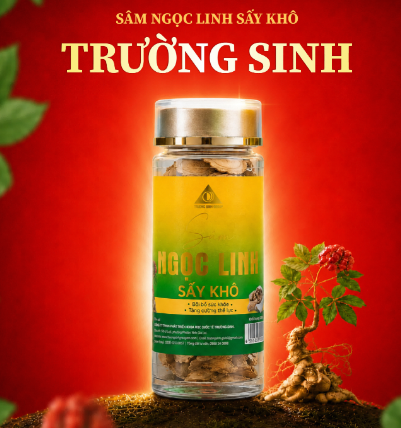
Read the amount per serving, frequency of use, intended users, and warnings on the label. If the packaging does not provide clear dosage information, consult the responsible entity or a doctor or pharmacist before use. Do not take a double amount to make up for a missed day, and do not apply dosages for fresh ginseng, instant ginseng tea, or ginseng extract to dried ginseng slices.
Groups who should consult a doctor before using ginseng
People who are pregnant, breastfeeding, preparing for surgery, have underlying health conditions, or take long-term medications should consult a doctor or pharmacist. Children should not use products intended for adults without professional guidance. The NCCIH, “Asian Ginseng” also notes that Asian ginseng may affect blood clotting and interact with certain medications. Because these are not direct data on Panax vietnamensis, this information should only serve as a basis for careful review, not as confirmation that Sâm Ngọc Linh has the same degree of effect.
In particular, provide complete information about anticoagulants, antiplatelet drugs, medications for controlling blood glucose and blood pressure, and all other supplements. Do not stop or reduce prescription medications on your own in order to use ginseng. People who must limit sugar should avoid or strictly control ginseng-infused honey; those who abstain from alcohol must avoid ginseng liquor entirely.
Signs that you should stop using ginseng and seek medical care
Stop using it and contact a healthcare professional if persistent insomnia, heart palpitations, headaches, digestive discomfort, or any unusual symptom appears after you begin taking ginseng. Recording the time of use, preparation, and amount consumed will help the doctor assess the connection more accurately.
If you experience difficulty breathing, swelling of the lips or tongue, rapidly spreading hives, or dizziness, call emergency services because these may be signs of a severe allergic reaction. Refer to the Mayo Clinic, “Anaphylaxis - Symptoms and causes”. When seeking medical care, bring the product packaging, usage log, and a list of medications, including nonprescription drugs.
Choose one method, follow the serving size on the label, and monitor your body's response before considering any changes. Check the product label and consult the storage instructions before selecting a suitable method.
Read next: Guide to storing Sâm Ngọc Linh by product form.
This food is not a medicine and is not intended to replace medical treatment.