Preparing Fresh Ngoc Linh Ginseng Before Storage
Even a highly valuable Ngoc Linh ginseng root can wilt, soften, or develop mold simply because it was placed in the refrigerator while a few drops of water remained between its rootlets. After harvesting, the root does not remain unchanged: water continues to evaporate, its tissues change, and microorganisms may grow if storage conditions are unsuitable. Therefore, the practical goal is not to promise that every component will remain “absolutely unchanged,” but to minimize moisture loss, contamination, and damage so that sensory quality is maintained for longer.
The three risks that need to be controlled are moisture loss that causes the root to wilt, excess moisture that promotes mold growth, and impacts that bruise the tissue. – General principles of food hygiene, controlling moisture, temperature, cross-contamination, and the condition of raw materials is fundamental to limiting spoilage. The process below helps users address each risk through steps that can be performed at home.
First, determine the expected date of use. Roots intended for use within a few days do not necessarily need to be processed into an infusion; roots that need to be kept longer require closer monitoring or appropriate processing. No single method is optimal for every root because storage time also depends on its initial freshness, scratches, hygiene, and refrigerator temperature stability. Through this guide, readers will learn how to prepare, wrap, and pack the roots, inspect them periodically, and identify signs that the ginseng has spoiled.
Classify Roots by Their Condition and Intended Time of Use
Place each root under clear lighting and inspect it with your eyes, nose, and clean hands. Firm roots with dry surfaces, no sliminess, no unusual odor, and no soft areas are generally more suitable for longer storage. Roots with scratches, broken rootlets, or cuts should be kept separately and used first after confirming that they are still safe. Do not pack roots suspected of spoilage together with intact ones.
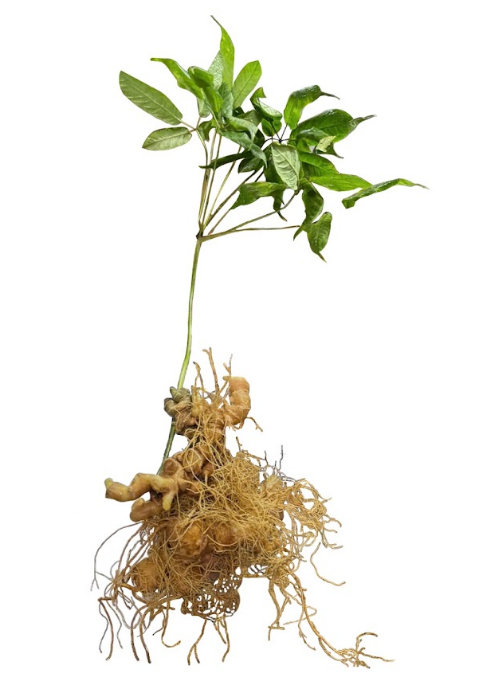
An intact fresh ginseng root
Pay particular attention to the spaces between rootlets, the root crown, and any previously cut areas. These are places where soil and water can easily accumulate but are often overlooked during a quick inspection. If the origin is unclear, consult the article on how to distinguish genuine Ngoc Linh Ginseng from counterfeit products, and verify the documentation, supplier, and growing-region information before investing effort in storage. Attractive packaging is not proof of authenticity.
Clean and Drain Without Bruising the Root
Use a soft-bristled brush or a gentle stream of water to remove soil, working in the direction of the rootlets. Do not scrub with a stiff brush, break off small rootlets, soak the root in a basin for a long time, or use dishwashing liquid or detergents. If rinsing with water, do so quickly, then place the root on a clean towel or rack so that water can drain from all the spaces between the rootlets.
A dry surface does not mean the root should be dried out. Do not place the ginseng in direct sunlight, in front of a hot fan, or in a dryer because prolonged heat and airflow cause moisture loss, surface shrinkage, and changes in texture. Wrap it only when there are no visible water droplets or wetness between the rootlets. The Codex Alimentarius document General Principles of Food Hygiene (CXC 1-1969) also emphasizes that utensils and food-contact surfaces must be clean and protected from sources of contamination during preparation.
5 Steps for Safely Storing Ginseng in the Refrigerator
Effective refrigerator storage of Ngoc Linh Ginseng is not about “sealing it as tightly as possible.” The correct process involves inspection, moisture control, impact protection, date labeling, and monitoring. The refrigerator compartment is generally suitable for keeping roots fresh for a short period, but they should be placed in an area with a stable temperature, following the instructions provided by the appliance manufacturer and supplier.
In its guidance Are You Storing Food Safely?, the U.S. Food and Drug Administration recommends generally maintaining household refrigerators at 4°C or below to ensure food safety. However, this does not establish a specific shelf life for Ngoc Linh Ginseng. Do not place the container in the refrigerator door, where temperatures fluctuate whenever it is opened, or next to a cold-air vent, where the surface may easily lose moisture or partially freeze.
Steps 1-3: Inspect, Wrap in Paper, and Pack in a Container
Perform a final inspection: remove any remaining soil, confirm that the root has drained thoroughly, and separate any root with an unusual odor, soft areas, or leaking fluid.
Wrap each root: use clean, dry, odorless paper with moderate moisture absorption. Wrap it loosely to protect the surface; do not allow printed newspaper to come into direct contact with the root.
Pack in a container: arrange the roots in a clean, dry, food-safe container. Do not compress the rootlets, place heavy objects on top, or position the container anywhere other than a stable area of the refrigerator compartment.
The wrapping paper absorbs small amounts of moisture that form on the surface, but wet paper becomes a moisture trap. The container helps prevent impacts and odor transfer, but it cannot compensate for a root that has not been properly drained. If storing several roots, leave enough space to remove each one without pulling or breaking the rootlets of adjacent roots.
Steps 4-5: Label the Date and Inspect Periodically
Label: record the packing date, initial condition, and expected date of use. If there are multiple containers, use the earliest-packed container first.
Inspect periodically: check the wrapping paper, odor, firmness, and surface. Replace the paper as soon as it becomes damp, but avoid repeatedly opening the container because this can increase temperature fluctuations and condensation.
A short checklist helps ensure consistent monitoring: inspection date, whether the paper is still dry or has become damp, whether the root has an unusual odor, whether any new soft spots have appeared, and whether to continue storing it, use it soon, or discard it. A universal shelf life should not be promised. A freshly harvested, undamaged, and hygienically handled root differs significantly from one that has been transported for a long time or has scratches.
Three Packaging Mistakes That Cause Fresh Ginseng to Spoil Quickly
The problem often begins with something minor: a wet root is placed directly into a container, old damp wrapping paper continues to be used, or the roots are packed tightly to save space. Moisture becomes trapped in concealed areas, while pressure on the surface makes signs of softness or sliminess harder to detect. By the next time the container is opened, the spoilage may have spread extensively.
The solution is to drain the roots thoroughly, use clean materials, wrap each root separately, and maintain an inspection schedule. Do not leave ginseng at room temperature for hours during preparation, and do not place the container next to raw meat, raw fish, or strongly scented foods. Separating food from sources of cross-contamination is a basic hygiene principle. Sealing it away and forgetting about it is not a safe storage method.
Choose a Fresh Ginseng Storage Method Based on When It Will Be Used
The question “How long can fresh Ngoc Linh Ginseng be stored?” cannot be answered accurately with a single number. The actual shelf life should follow the label information and the supplier’s storage instructions while also taking into account the harvest date, transportation history, packaging condition, and the root’s actual condition. If any abnormal signs appear, do not continue storing or using the product simply because it is still within the date stated on the label.
Comparison of four storage and processing options
Option | Purpose | Relative duration | Advantages | Limitations |
|---|---|---|---|---|
Refrigeration | Keep the root fresh | According to the label, supplier’s instructions, and actual condition | Easy to inspect | Moisture must be controlled |
Vacuum sealing | Reduce exposure to air | According to the supplier | Compact, with less odor transfer | Still requires refrigeration |
Infusing in honey | Convert it into another form for consumption | According to the recipe and condition of the jar | Easy to divide into servings | Risk of fermentation |
Infusing in alcohol | Convert it into an infused product | According to processing instructions | Stored in a jar | Unsuitable for people avoiding alcohol |
The table shows that refrigeration is the only option intended to keep the fresh root in its original state. Vacuum sealing is a packaging method and does not replace cleaning, draining, or refrigeration. Honey and alcohol change the product’s form; therefore, these should not be described as methods for keeping the fresh root unchanged.
Refrigeration, Vacuum Sealing, Honey, and Alcohol
Refrigeration is suitable when the root is intended for use in the near future. If vacuum-sealed, the root must still be dry, the packaging must remain intact, and it must be stored at the temperature recommended by the supplier. A low-air environment does not guarantee the elimination of all microorganisms, so never assume that a vacuum-sealed bag can be stored at room temperature or kept indefinitely.
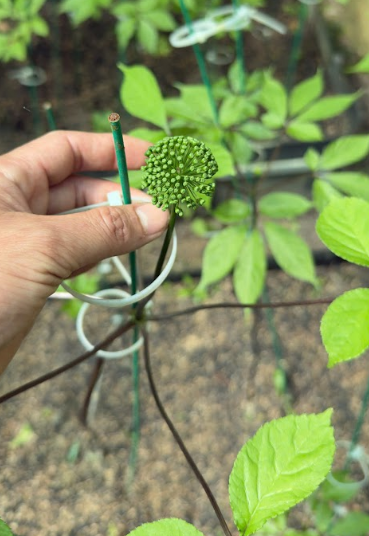
Ngoc Linh Ginseng requires careful, meticulous handling
For honey infusions, the jar and utensils must be clean and dry; discontinue use if an unusual odor, mold, or unexpected fermentation appears. The alcohol must come from a clearly identified source, and the container must be food-safe. Fact sheet Alcohol, no level of alcohol consumption is entirely risk-free for health; alcohol-infused products are not intended for children, pregnant women, or people who have been advised to avoid alcohol. Before choosing this option, consult the separate article guide to infusing Ngoc Linh Ginseng in alcohol and the appropriate usage recommendations for each group.
Freezing Changes the Texture of Fresh Ngoc Linh Ginseng
When water in the root tissue freezes, ice crystals can damage the cellular structure. After thawing, the root may become soft and release water, losing its original firmness. Therefore, freezing is unsuitable if the goal is to preserve the texture of fresh Ngoc Linh Ginseng for slicing or presenting as a whole root.
If freezing is necessary for later processing, divide the root into individual portions, seal them securely, and label the date before freezing. In its guidance The Big Thaw - Safe Defrosting Methods, the U.S. Department of Agriculture recommends not leaving perishable foods to thaw at room temperature for extended periods; they should be thawed in the refrigerator. Remove only the amount needed and avoid repeated refreezing cycles because the texture will continue to deteriorate.
5 Signs That Ngoc Linh Ginseng Has Spoiled and Should Be Discarded
Before each use, compare the root with its initial condition. The five warning signs are:
White, green, or black mold, or other unusual mold spots appear.
The surface is slimy even after it has been properly wiped and drained.
Unusual fluid has leaked onto the paper or bottom of the container.
A sour, rotten, or otherwise distinctly different odor from the root’s original natural scent develops.
Mushy areas spread extensively, or the root tissue becomes noticeably discolored.
Do not cut away only the moldy section and use the remainder. The USDA’s general guidance Molds on Food: Are They Dangerous? notes that high-moisture foods may be contaminated with mold below the surface, beyond the visible area. This is general food-safety guidance, not research specific to Ngoc Linh Ginseng. Likewise, do not simply remove mold from a jar of honey or alcohol infusion and continue using it. When uncertain, do not taste it; discard the product and contaminated wrapping paper, and clean the container before its next use.
Previously, a valuable ginseng root might have been placed in the refrigerator and forgotten until it wilted or developed mold. After implementing this process, every root is classified, drained, dated, and inspected systematically. The transition between these two situations requires only five simple actions: determine the intended date of use, clean gently, wrap separately, place it in the correct location, and monitor it periodically. The next time you open the refrigerator, check the packing date and moisture level of the wrapping paper, and inspect the root for soft areas or unusual odors so that you can act promptly.
This food is not a medicine and is not intended to replace medical treatment.