
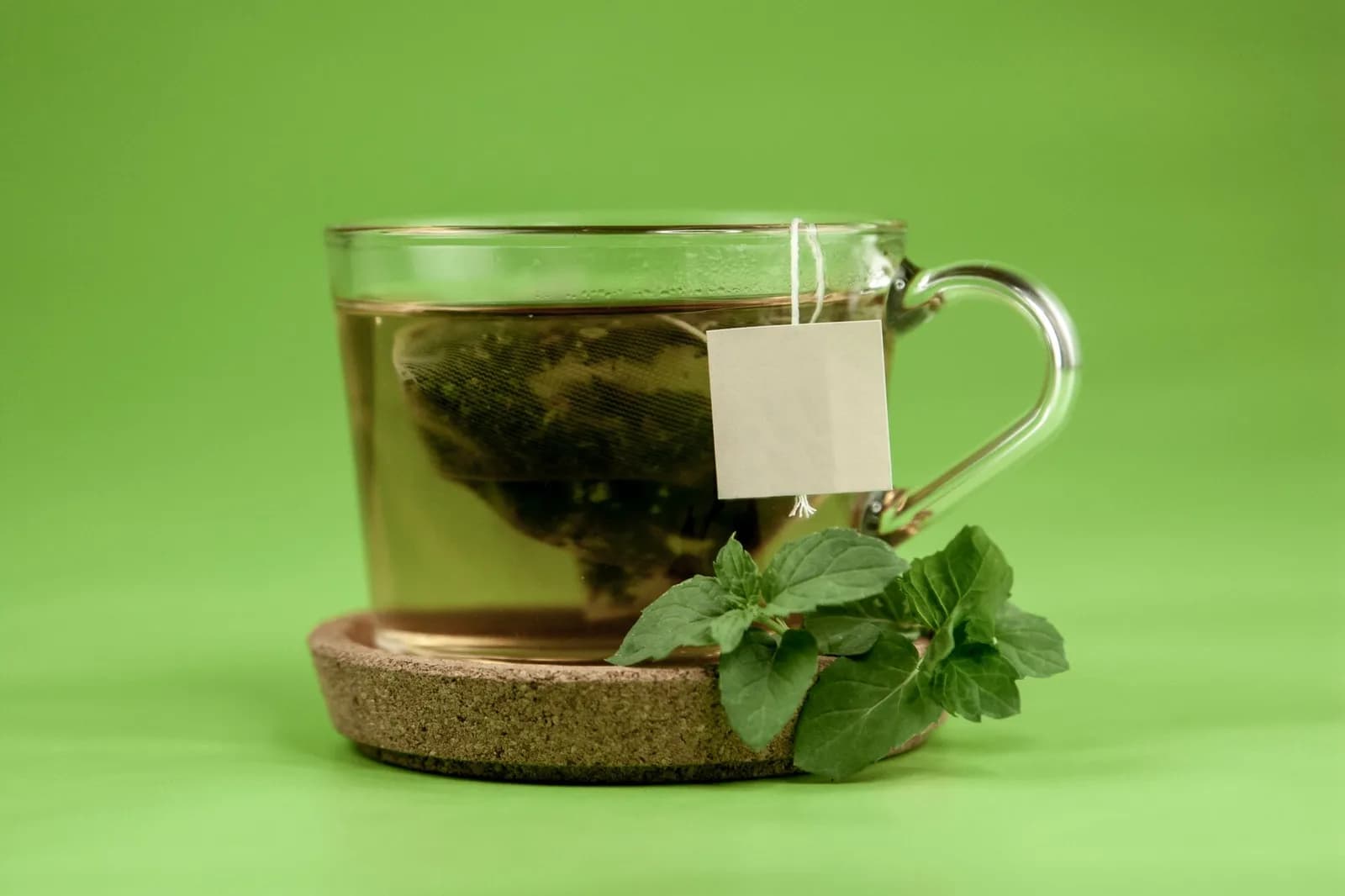
Proper Ginseng Leaf Storage Prevents 4 Causes of Spoilage
Fresh Ngọc Linh ginseng leaves can become slimy after only a few days, while tea bags can easily lose their aroma when stored in a damp or unsealed container. To prevent this, control the four main factors that reduce quality: moisture, high temperatures, light, and oxygen. Even dried leaves and tea bags can absorb moisture after their packaging has been opened repeatedly.
There is no single storage period for every product because fresh leaves, dried leaves, and packaged tea differ in moisture content, packaging, and conditions of use. The following guide explains how to store each form separately and identify when it should be discarded.
Clean, Dry Equipment Reduces the Risk of Mold on Ginseng Leaves
Before handling the leaves, prepare clean paper, airtight bags or containers, dry glass jars, and date labels. Containers must be odor-free, free of detergent residue, and show no condensation on their walls. A jar that looks clean but still has moisture at the bottom can cause dried leaves to reabsorb water.
Carefully inspect rubber seals, zip closures, and gaps around lids. Do not reuse packaging that previously held coffee, pepper, fish sauce, or strongly scented foods because dried leaves and tea absorb odors very quickly. A practical tip is to close the empty container for a few hours, then open and smell it; if an unusual odor remains, use a different container.
Packaging Should Suit Each Form of Ngọc Linh Ginseng Leaf
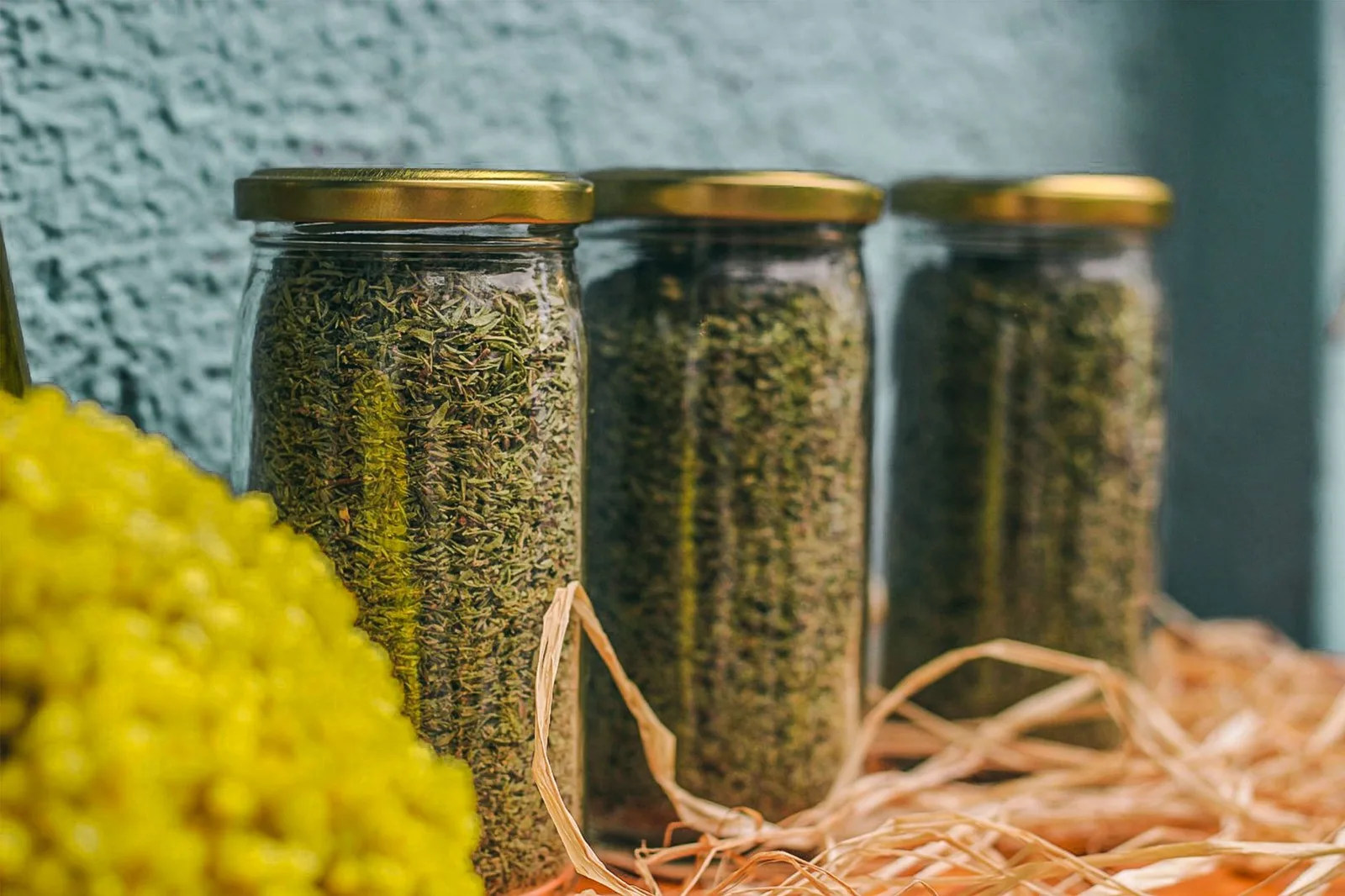
Fresh leaves need a layer of clean, dry paper to absorb a moderate amount of moisture, with a suitable airtight container or bag on the outside. Dried leaves should be divided among small jars with tight-fitting lids. For tea bags, keeping the individual sachets and outer packaging intact helps reduce direct exposure to air.
Dividing the amount you use by week or brewing session is a simple but effective step. The main jar does not need to be opened every day, so the unused portion has less exposure to oxygen and moisture. Moreover, recording the packing date or the date the package was opened helps ensure that older portions are used first.
How to Store Fresh and Dried Ginseng Leaves and Tea Bags
Whether you plan to use the product within a few days or gradually over several weeks determines how it should be divided. Conditions in the home also matter: a kitchen frequently filled with steam is unsuitable for jars of dried leaves; shelves near windows can become hot and receive sunlight; and cabinets beside the stove experience considerable temperature fluctuations.
Storage Methods for Each Form of Leaf
| Product Form | Packaging | Storage Location | Avoid | After Opening |
|---|---|---|---|---|
| Fresh leaves | Dry paper, airtight container | A consistently cool area of the refrigerator, preferably under the conditions stated on the label | Standing water, odors from raw food | Reseal immediately |
| Dried leaves | Airtight jars, divided into small portions | A dry, dark place | Moisture, sunlight, heat | Use dry utensils |
| Tea bags | Individual sachets, outer packaging | An enclosed, well-ventilated cabinet | Steam, strong odors | Expel air and reseal |
The table above shows that refrigeration is not the default choice for all three forms. Fresh leaves need a consistently low temperature, while dried leaves and tea can absorb moisture from condensation. For packaged products, always follow the storage conditions and expiration date specified by the manufacturer on the label.
Storing Fresh Ginseng Leaves in the Refrigerator in 3 Steps
- Clean gently: remove dust, bruised leaves, or damaged parts without crushing them. If washing is necessary, allow the surfaces to dry completely.
- Wrap in dry paper: arrange the leaves loosely without compressing them; replace the paper if it becomes damp or condensation appears.
- Seal and refrigerate: record the date, place the container in an area of the refrigerator with a consistent temperature, preferably under the conditions stated on the label, and keep it separate from raw meat, fish, and strongly scented foods.
Do not place the container directly in the path of cold air or in the refrigerator door, which is opened and closed frequently. Temperature fluctuations and localized freezing can make the leaf tissue soft and mushy after removal. Each time, take only the amount needed and return the container to the refrigerator immediately.
Dried Ginseng Leaves and Tea Bags Need Airtight, Dry, and Dark Conditions
Do not dry leaves yourself without an appropriate process, and avoid drying them in dusty places or under intense sunlight. If the leaves have just been dried, wait until they have cooled completely before placing them in a jar; sealing them while still warm can create condensation inside. Divide them into small portions and store them in a dry, dark cabinet away from the stove and sink.
Tea bags should remain in their individual sachets. Once the outer packaging has been opened, expel excess air, reseal it tightly, and record the opening date. Refrigerate tea only if required by the label. Otherwise, removing it and opening the package immediately while it is still cold can cause moisture to condense on the tea.
5 Signs of Spoilage and 4 Ginseng Leaf Storage Mistakes
Improper storage first causes leaves to lose their aroma and change in texture; more seriously, a damp environment can encourage mold growth. Cutting away a suspicious section and using the remainder is not a safe option because the affected area may extend beyond what is visible.
Discard the leaves if any of these five signs appear: visible mold, a slimy surface, a sour or unusual odor, abnormal liquid seepage, or discoloration accompanied by moisture and other signs of spoilage.
Dried leaves may naturally darken, so do not draw a conclusion based on color alone. Assess the odor, crispness or dryness, surface, and condition of the packaging together. If the jar is no longer airtight or contains condensation or an unusual odor, do not taste the leaves to determine whether they are safe.
4 Mistakes That Quickly Reduce the Quality of Ngọc Linh Ginseng Leaves
Four common mistakes are washing the leaves and sealing them while still wet; putting every form of the product in the freezer; repeatedly opening a large jar; and using unsuitable desiccant packets or using them contrary to the packaging instructions. These seemingly convenient practices can increase condensation, alter texture, or affect product quality.
To correct these mistakes, let the leaves dry completely, choose a temperature appropriate for each form, and divide them into small packages. If a desiccant is needed, use only an intact type in accordance with the packaging instructions; do not use packets that are torn, unidentified, or contrary to the product instructions.
60-Second Checklist for Maintaining Ginseng Leaf Quality
Each time you take out the leaves, check the following six points in about one minute.
- Determine whether the product is fresh leaves, dried leaves, or tea bags.
- Check that the packaging is properly sealed, along with the expiration date and label instructions.
- Divide it into portions or immediately place it in the appropriate storage location.
- Always keep your hands, tongs, and utensils clean and dry.
- Take only the amount needed and reseal the packaging immediately.
- Check the odor, color, and moisture level before brewing or preparing the leaves.
Check the label, seal, and moisture level of the packaging today; record the opening date and move each form of leaf to the appropriate location to minimize quality loss.