
Preparing fresh Lai Châu ginseng to minimize spoilage
An intact Lai Châu ginseng root can go from firm to soft, slimy, or moldy if packaged while still wet. This is not merely the loss of a valuable ingredient; the spoiled portion can also affect the entire batch stored with it. Proper preparation as soon as the ginseng is brought home helps preserve its natural aroma and texture while significantly reducing waste.
Fresh ginseng contains a great deal of water, making it sensitive to temperature, humidity, and microorganisms from soil, hands, or utensils. Dried Lai Châu ginseng, by contrast, is more stable but can still reabsorb moisture, develop an altered odor, and oxidize when exposed to air for extended periods. Readers can therefore choose a suitable storage method based on whether the ginseng is fresh or dried, when they intend to use it, and their ability to maintain a stable temperature at home.
Cleaning ginseng roots without bruising or breaking them
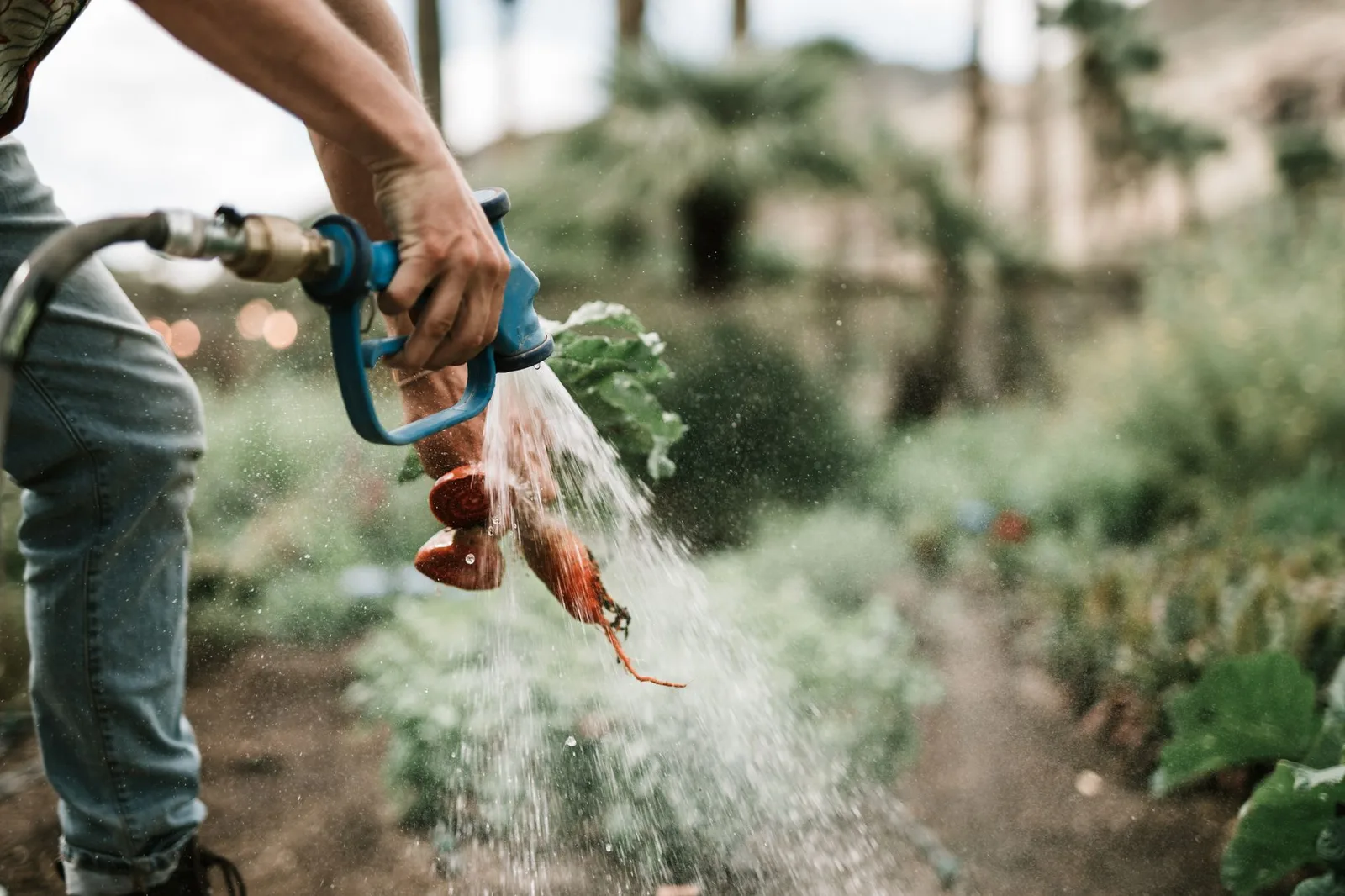
First, brush off loose, dry soil with a soft-bristled brush. If soil is lodged deep in the root crevices, rinse quickly under cold running water and brush gently from the main root toward the root tips. Do not pull, snap, or scrub across the fine roots, as breakage exposes the inner tissue and may increase the risk of deterioration.
Do not soak ginseng in a basin of water for a long time. Knives, scissors, brushes, and contact trays must all be clean, and hands should be washed thoroughly before handling. For roots intended to be used soon, keep them whole instead of slicing too much in advance, because a larger cut surface may increase exposure to air.
Drying and discarding spoiled ginseng
After washing, use a clean paper towel to blot each root crevice, then place the ginseng on a dry, well-ventilated tray until no water remains on the surface. Do not put wet roots into airtight bags or containers; trapped moisture may increase the risk of the ginseng becoming soft and deteriorating.
A small, recent bruise can be cut away with a clean knife, after which that root should be stored separately and used first. However, discard the entire root if you notice mold, slime, a sour odor, or widespread rot. Do not simply cut away a moldy area and continue using the remainder, as visible signs may not reflect the full extent of the spoilage.
4 ways to store fresh and dried Lai Châu ginseng
Fresh Lai Châu ginseng should be used promptly or refrigerated for a short period. The actual storage time also depends on its initial freshness, the presence of scratches, and the stability of the refrigerator temperature; always prioritize the expiration date and instructions on the packaging. The table below can help you select a storage method based on your intended use.
Comparison of four home storage methods
| Method | Type of ginseng | Packaging method | Expected storage period | Benefits and considerations |
|---|---|---|---|---|
| Refrigerator | Fresh ginseng | Wrap individually and place in an airtight container | Short-term storage; prioritize the instructions on the packaging | Convenient to use; inspect regularly |
| Freezer | Fresh ginseng | Divide into portions and remove excess air | Use according to the expiration date and instructions on the packaging | Reduces waste; do not refreeze |
| Airtight jar | Dried ginseng | Clean, completely dry jar | Follow the expiration date and instructions on the packaging | Easy to inspect; keep away from moisture |
| Vacuum sealing | Dried ginseng | Divide into several small packages | Follow the expiration date and instructions on the packaging | Reduces air exposure; still requires a cool location |
Importantly, the information in the table does not supersede the expiration date, packaging instructions, or direct observation. Divide the ginseng into portions sufficient for each use and label every container with the packaging date. This can reduce how often the packaging is opened, prevent unnecessary thawing, and support the “first packed, first used” principle.
Storing fresh Lai Châu ginseng in the refrigerator
For refrigeration, wrap each root separately in clean material and place it in an airtight container or bag. Choose a location with a stable temperature, away from the refrigerator door and foods with strong odors. Inspect every other day; if the wrapping becomes damp, replace it and reassess the surface of the root.
For freezing, the ginseng must be completely dry before being divided into portions. Remove excess air, label each package with the date, and take out only the amount needed. To thaw, transfer the package to the refrigerator so its temperature rises gradually. Do not leave it on the counter for long or refreeze it repeatedly, as hot–cold cycles may increase the risk of structural deterioration and spoilage.
Protecting dried Lai Châu ginseng from moisture and light
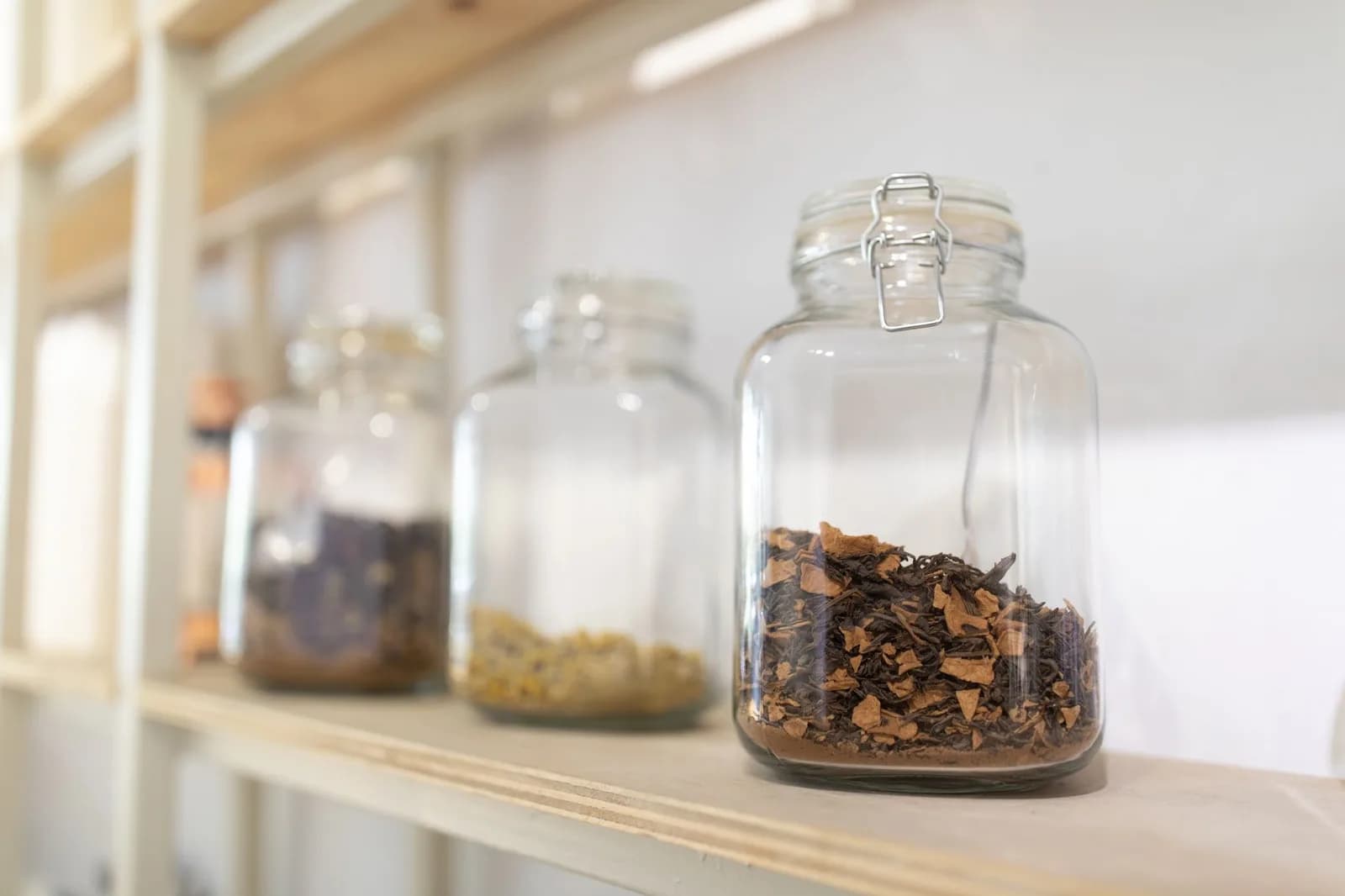
Dried ginseng should be placed in a clean, dry, airtight glass jar or food container. Food-safe desiccant packets may be used according to their instructions, while ensuring that the packets remain intact. Keep the jar in a cool, dark location away from the stove, windows, and areas frequently exposed to steam.
Vacuum sealing is suitable when dividing ginseng into multiple small packages, helping reduce the unused portion’s exposure to air. However, vacuum sealing cannot remedy ginseng that has already absorbed moisture. If the pieces lose their dryness, become limp, develop an unusual odor, or condensation appears inside the bag, separate them for assessment rather than storing them with the rest.
5 mistakes and signs that Lai Châu ginseng has spoiled
Improper storage often begins with a minor detail: a few drops of water in the container, a jar lid that is not fully sealed, or a package of ginseng that is repeatedly taken out and put back. Moisture, heat, and oxygen may increase the risk of aroma loss, changes in texture, and damage to the rest of the stored batch. A practical solution is to perform a quick check before each preparation rather than relying solely on the packaging date.
A slightly darker color in dried ginseng or a less taut surface on fresh ginseng does not necessarily indicate spoilage. Warning signs include mold spots, mold dust in root crevices, slime, a sour smell, a rancid odor, or an unusually mushy texture. If its safety cannot be determined, discard it; never taste it to check.
5 mistakes that make ginseng storage ineffective
The following five mistakes can create a moisture–heat–oxygen cycle: standing water may increase the risk of spoilage, heat may accelerate quality loss, and unsealed packaging makes dried ginseng more likely to reabsorb moisture.
- Packaging ginseng while its surface and root crevices are still wet.
- Keeping dried ginseng near a stove, sunlight, or sources of steam.
- Using bags, containers, or jars with lids that do not seal tightly.
- Thawing and refreezing the same portion repeatedly.
- Storing a moldy root with ginseng that does not yet show abnormalities.
In addition, using one large container for all the ginseng can increase exposure to air and moisture each time the lid is opened. Dividing it into small packages from the outset is a simple measure that may help preserve quality during longer storage.
A 30-second checklist for determining whether ginseng is still safe
Before use, perform this quick inspection:
- Check the packaging date, seal, and condition of the packaging.
- Look for standing water, unusual discoloration, or mold dust in the root crevices.
- Smell for sour, musty, or rancid odors.
- Check the firmness of fresh ginseng and the dryness of dried ginseng.
- Immediately separate anything unusual and do not taste it.
A carelessly stored ginseng root can quickly become soft and difficult to use. Once it has been properly dried after cleaning, divided into suitable portions, and kept in an appropriate environment, monitoring it can become much simpler. Inspect and date each package of ginseng today, then use the earliest-packed portions first.