Dried Sâm Ngọc Linh Can Still Absorb Moisture and Develop Mold
Many people assume that dried ginseng can be stored anywhere until its expiration date. In fact, a lid left slightly loose for just a few humid days can cause crisp, dry ginseng slices to become soft, sticky, and unusually odorous. When moisture gets in, sensory quality deteriorates and the risk of mold increases. Therefore, proper storage from the moment the package is opened is a practical way to avoid having to discard a valuable product.
The issue lies in the dried material’s ability to reabsorb moisture. Every time the bag or jar is opened, outside air enters and brings water vapor with it. This is more pronounced during humid weather, in homes near the sea, or in poorly ventilated rooms. If the container is opened every day, accumulated moisture can cause the ginseng to deteriorate even if it was initially dried and packaged properly.
The storage goals are straightforward: keep the product dry, limit exposure to light and heat, and reduce the number of times the entire quantity of ginseng is exposed to air. However, at-home guidance does not supersede the expiration date and storage conditions stated on the label. The manufacturer’s stated expiration date applies to the specified packaging and conditions; after opening, actual handling practices become particularly important.
Humidity and Temperature Cause Dried Ginseng to Deteriorate
A bag of ginseng opened near a steaming rice cooker, a jar placed beside the stove, or a container kept against a wall where condensation frequently forms can all absorb moisture before it is immediately noticeable. Early signs often include ginseng slices becoming less crisp, slightly soft, sticking together, or developing a heavier, unusual odor instead of their natural aroma. Constant temperature fluctuations can also readily cause condensation inside the packaging.
Therefore, choose a dry, cool, dark place with a stable temperature; avoid kitchens, bathrooms, sunny windows, and locations close to the floor or damp walls. The temperature information on the packaging should always take priority, because the appropriate range also depends on the product’s residual moisture, drying method, and packaging technology.
Equipment Needed to Protect Ginseng from Moisture
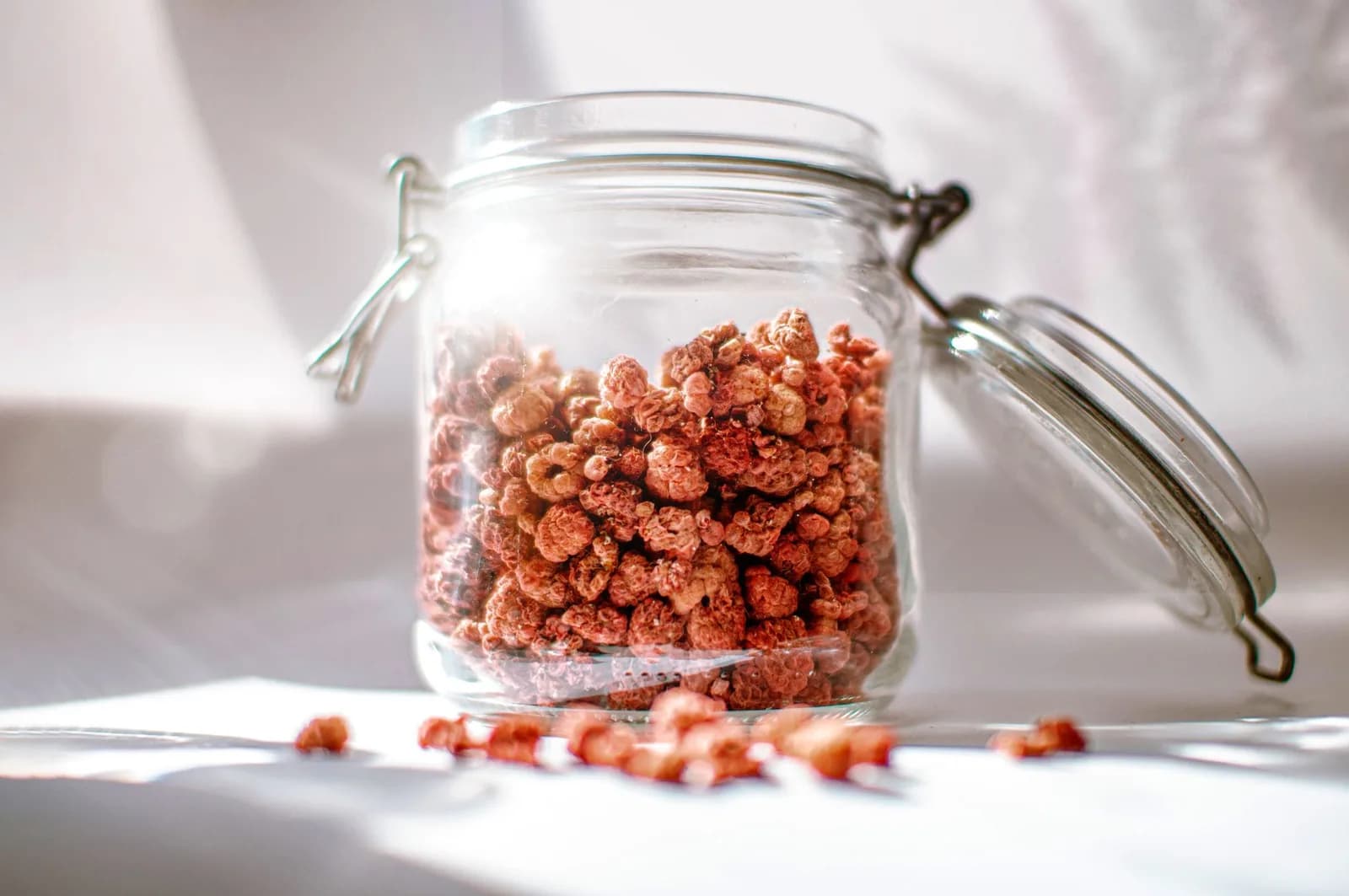
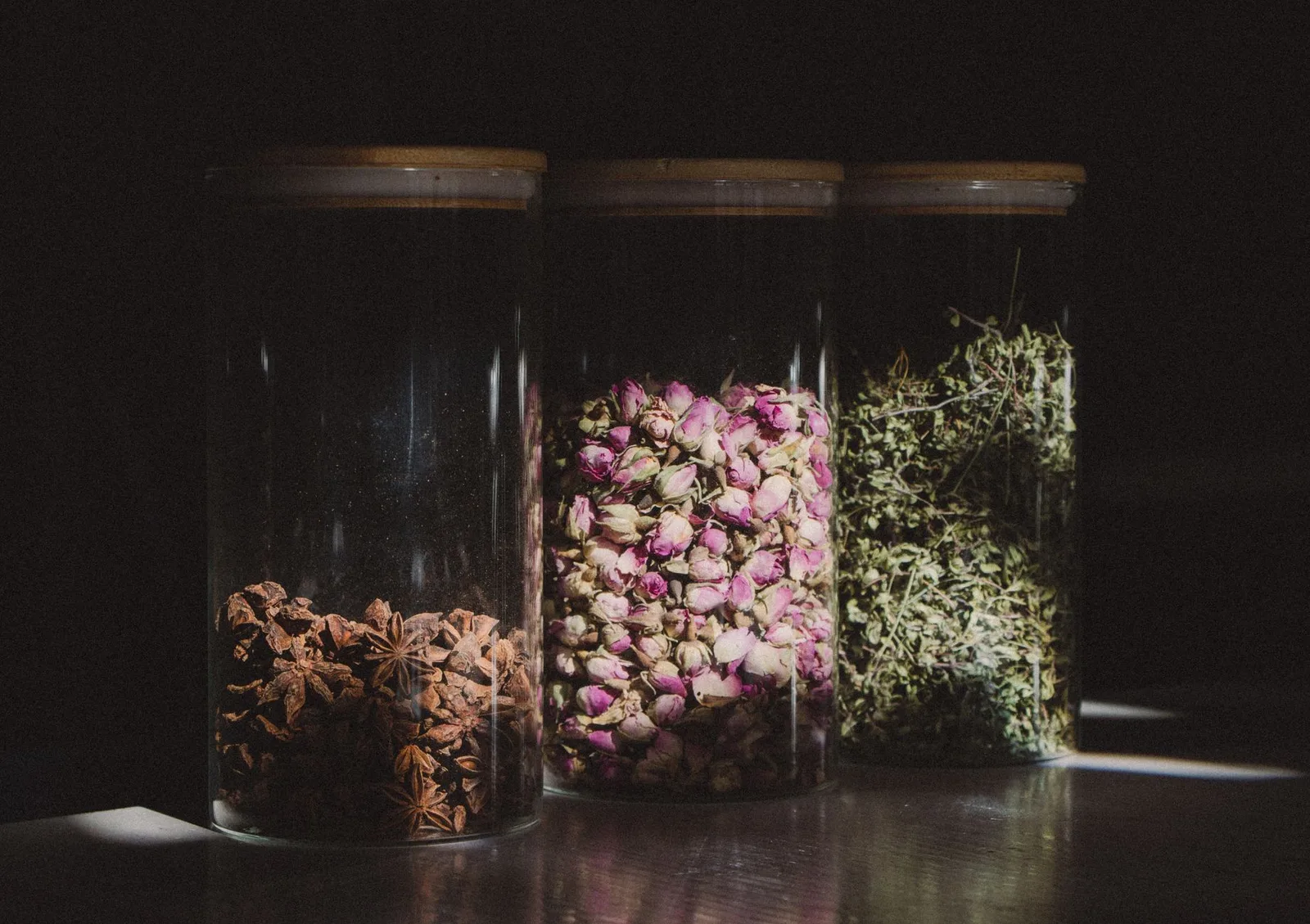
Glass jars or specialized containers must be clean, completely dry, and fitted with airtight lids. If the vacuum-sealed packaging remains intact, with no swelling, punctures, or open seams, keep it sealed until use. A jar sized appropriately for the quantity of ginseng is better than one that is too large because it reduces the empty space containing humid air.
Food-grade desiccant packets that remain effective and undamaged may be used according to the instructions on the packaging. Do not pour out the desiccant beads or allow them to come into direct contact with the ginseng. Another simple tip is to write the opening date on the label and divide the ginseng into several smaller portions. This way, only one portion is exposed to air each time.
5 Steps for Storing Sâm Ngọc Linh to Minimize Moisture Absorption
The process should be followed immediately after opening the package rather than waiting until the ginseng becomes soft. Before handling it, wash your hands and dry them thoroughly, or use clean, dry tongs. Do not wash dried ginseng before storing it, as water remaining in crevices and on the surface may accelerate spoilage.
Also retain the original label, lot number, expiration date, and storage instructions. This information helps with verification if the product’s quality changes. Most importantly, if the ginseng shows any suspicious signs, do not sun-dry or redry it for continued use. Heat may make the surface drier, but it does not prove that the product is safe.
Steps 1 to 3: Inspect, Portion, and Seal
- Inspect the product: check its color, dryness, and surface, and smell it from a normal distance. Store the ginseng only if it has no unusual spots, mold filaments, sour odor, or abnormally soft and sticky texture.
- Divide into small portions: separate it into amounts sufficient for several uses or for each week, then place them in airtight bags or appropriately sized jars. Do not mix a new batch with leftover ginseng from an older batch.
- Seal immediately: add a food-grade desiccant packet as directed, press out excess air if using a bag, and then seal it. For jars, wipe the lid threads clean and close the lid tightly immediately after removing the ginseng.
Portioning is especially useful during humid weather. Instead of opening one large jar 20–30 times, users handle only one small package at a time, while the remaining portions continue to be protected in sealed packaging.
Steps 4 and 5: Choose a Location and Inspect Regularly
- Choose a stable location: place the container somewhere dark, dry, and cool, away from heat sources and areas with frequent temperature fluctuations. If the label requires refrigeration, use an airtight container to minimize condensation and the absorption of food odors.
- Inspect regularly: during humid weather, check the packaging seal, the condition of the desiccant packet, and the ginseng’s surface every 1–2 weeks. Handle it quickly with dry hands and reseal it immediately.
When removing the container from cold storage, do not open it immediately. Keep it sealed until the temperature inside has equalized with room temperature before taking out the ginseng. This helps prevent water vapor in the air from condensing into droplets on the cold surface.
Signs of Mold on Dried Ginseng and Its Shelf Life
There is no single answer for how long dried Sâm Ngọc Linh can be stored that applies to every product. The answer must be based on the expiration date stated on the label, storage conditions, and when the package was opened. Whole roots, dried slices, products with different moisture levels, or vacuum-sealed products will have different levels of stability.
An expiration date is also not a guarantee if the packaging has been punctured or opened, or if the product shows signs of mold. Conversely, the period of use should not be extended simply because the ginseng still looks dry. If the product’s condition is difficult to determine, the safe approach is to stop using it and ask the seller to inspect it.
4 Signs of Mold on Dried Sâm Ngọc Linh
The four signs to watch for are: white, green, or gray spots or filaments; a musty or sour odor; a limp, soft, or sticky surface; and unusual discoloration. Color, texture, odor, and moisture-exposure history should be assessed together rather than drawing a conclusion from a single photograph. A natural powdery layer may be relatively uniform, whereas mold often forms patches or filaments and may be accompanied by an unusual odor or moisture.
If mold is suspected, do not taste the product, smell it closely, or scrape off only the visible area and use the remainder.
Fungal filaments and metabolites may be present beyond the visible area. Therefore, soaking the ginseng in alcohol, washing it, or heating it cannot confirm that it is safe.
What to Do When Ginseng Absorbs Moisture or Is Suspected of Mold Contamination
First, isolate the affected portion from packages that remain intact. Take clear photographs of the product, packaging, lot number, and expiration date, then contact the manufacturer or seller for verification. If you can see or smell signs of mold, place the product in a sealed bag and discard it; do not sun-dry, redry, eat, or use it to make infused alcohol.
Finally, wash the storage jar and dry it completely before reusing it, replace the desiccant packet, and reassess the storage location. If the current jar of ginseng is not labeled with the opening date or its lid is no longer airtight, address it today. You can move from the hidden risk posed by a small amount of moisture to proactive protection with just three actions: inspect the jar, record the opening date, and replace any packaging that is not airtight.