

How to Read a Label, Starting with the Name and Intended Use
On store shelves, many “brain circulation support” products have similar colors, images, and promotional claims. However, spending just a few minutes reading the label can help buyers identify products that do not meet their needs, overstated claims, or warnings that have not been considered. By correctly understanding seven key pieces of information, you can make a more informed choice instead of deciding based on packaging or word of mouth.
Brain circulation support is a common term for a group of supportive products, not evidence that they can treat cerebral ischemia, headaches, or vestibular disorders. Buying based on recommendations can create false expectations, leading to duplicate ingredients, overlooked interactions, or even delayed medical care. A practical solution is to check, in order, the name, classification, intended use, intended users, ingredients, amounts, directions, warnings, and regulatory information on the packaging.
Information 1: Product Name and Classification
First, read the full name on the principal display panel, then look for the statement identifying the product as a health supplement. A drug-like name, images of the brain, or a medical-style design does not change its legal classification. This is a simple step, but it helps set the right expectations from the outset.
Next, check the mandatory disclaimer concerning the limits of the product’s role. If the seller covers up, removes, or interprets this statement to suggest that the product can replace medication, you should stop the transaction and verify the information. A clear label must provide buyers with complete information without forcing them to guess.
Information 2: Intended Use and Intended Users
Review the intended-use statement word for word. Terms such as “supports,” “contributes to,” or “helps maintain” accurately reflect the scope of a health supplement; they should not be interpreted as meaning that the product prevents or treats disease. Sales videos, user reviews, and verbal advice cannot replace the information printed on the label.
The intended users must also match the person’s age, health status, and actual needs. A product intended for adults is not automatically suitable for children, pregnant women, or older adults taking multiple medications. Anyone who has been diagnosed with a condition and is taking medication should continue following medical instructions and consult a qualified professional before adding the product.
Product Ingredients Determine Suitability
After the name and intended use, the next three pieces of information determine the actual amount of each substance entering the body: ingredients, amounts, and directions for use. An herb prominently displayed on the front does not reveal how much a person receives each day. For an accurate assessment, read the ingredient panel on the back or side of the box.
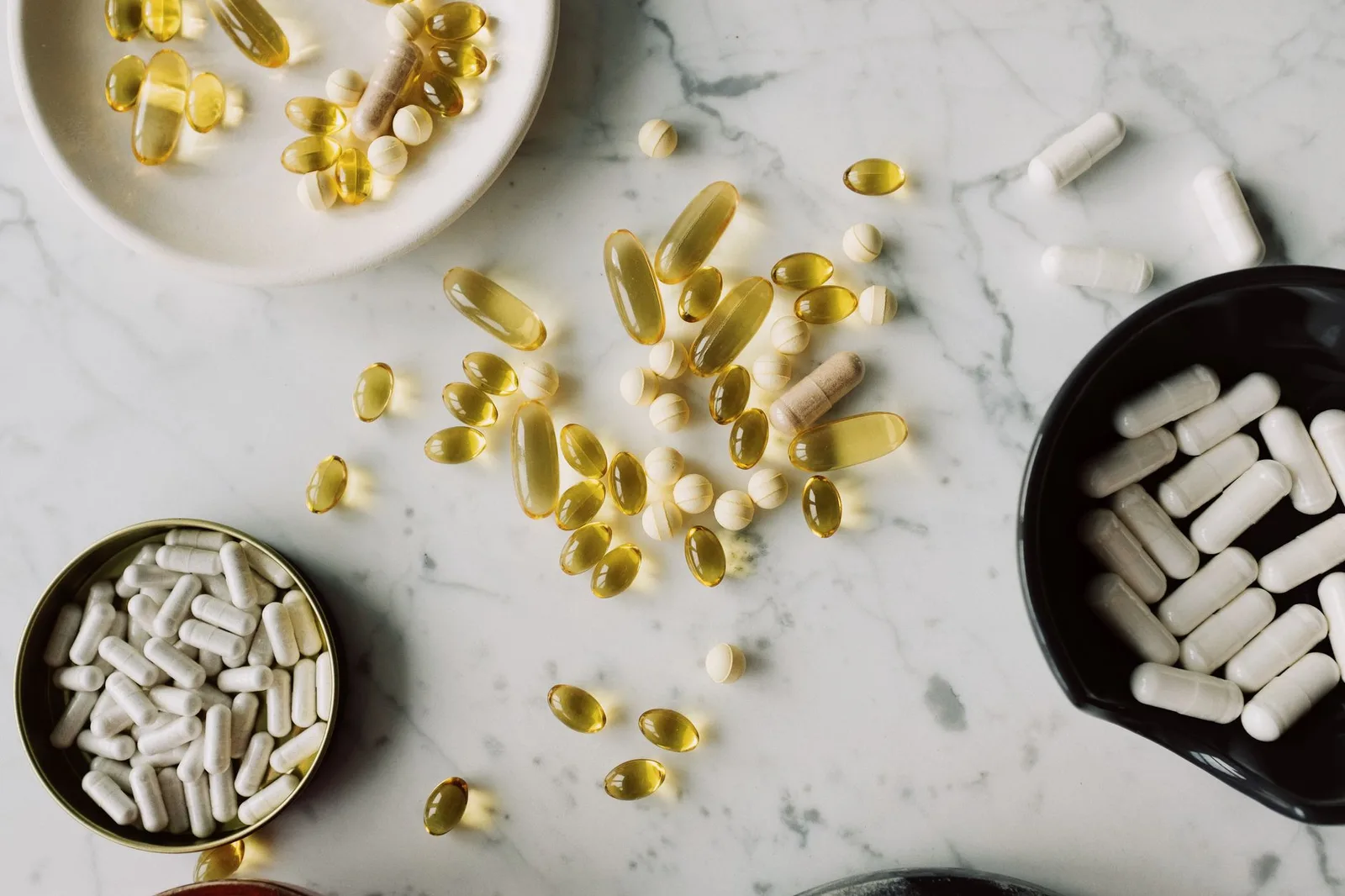
Before buying, write down the names of any medications and supplements you are currently taking. This helps identify duplicate active ingredients or combinations that require caution. Taking multiple products at the same time does not mean their supportive effects will increase proportionally; instead, the total dose may exceed what was intended.
Information 3 and 4: Ingredients and Amounts
In the ingredient panel, check the name of each active ingredient or herb, whether the raw material is a powder or extract, and any excipients or potential allergens. For extracts, the extraction ratio or standardization level is useful only when clearly stated. For example, “10:1 herbal extract” and “100 mg of herbal powder” are not equivalent descriptions.
Amounts must be read according to the stated unit: per capsule, packet, or serving. For example, if the label states 100 mg per capsule, with directions to take two capsules twice daily, the total amount is 400 mg/day. This is the figure that should be used when comparing products and checking the risk of duplication.
More ingredients or larger numbers do not automatically mean that a product is more suitable.
The dosage, form of the ingredients, personal health, and potential interactions must all be considered. Therefore, you should not choose a product solely because the front of the box displays a long list.
Information 5: Directions for Use and Safety Warnings
Read the dose per use, number of uses per day, when to take the product, and duration of use together. Do not increase the dose on your own when you have not noticed any changes, and do not apply the directions from one box to another with a similar name. For capsules and tablets, also check whether they must be swallowed whole or taken with or after a meal.
Pay particular attention to warnings for pregnant women, people preparing for surgery, those with underlying health conditions, and anyone taking medication that affects blood clotting. If the information is unclear, take both the product label and your medication list to a doctor or pharmacist. If any unusual symptoms occur, stop using the product and seek professional advice.
But wait: sudden facial drooping, weakness or numbness on one side of the body, difficulty speaking, loss of balance, or a severe headache are signs requiring emergency care. Do not wait for a supportive product to take effect.
Check Regulatory Information and the Expiration Date Before Buying
The final two pieces of information help determine the product’s traceability and the box’s actual condition. A scannable barcode or QR code provides only one layer of data; it does not mean that every advertising claim has been verified. Therefore, check the product declaration number, responsible company, production batch, and expiration date.
Information 6: Product Declaration Number and Responsible Entity
Look for the product declaration registration number, the name and address of the responsible organization, the manufacturer, and the country of origin. Information that has been covered with another label, is blurred, or is inconsistent across different sides of the box should be verified before payment.
When searching an appropriate official information portal, compare the product name, company, and dosage form rather than relying solely on images of documents sent by the seller. Imported goods must have a Vietnamese supplementary label containing the required information and consistent with the original label. Foreign-language text alone is not a guarantee of quality.
Information 7: Batch Number, Expiration Date, and Storage
Check the batch number, manufacturing date, expiration date, and the order of the day, month, and year. Do not choose a box with erased, overprinted, or illegible text, or a broken tamper-evident seal. Also compare the storage requirements with the conditions at the point of sale; high temperatures, humidity, and sunlight can affect quality even if the product has not expired.
Previously, you might have faced many similar-looking boxes and chosen one based on advertising claims. After applying this process, your decision will be based on clearer and safer information. The transition takes only about 60 seconds: read all seven pieces of information, photograph the label for comparison, and pay only when all the details are consistent. Save the checklist on your phone; if you are taking medication, bring the label to a doctor or pharmacist to check for potential interactions.
This product is not a medicine and is not intended to replace medicines used to treat disease.