
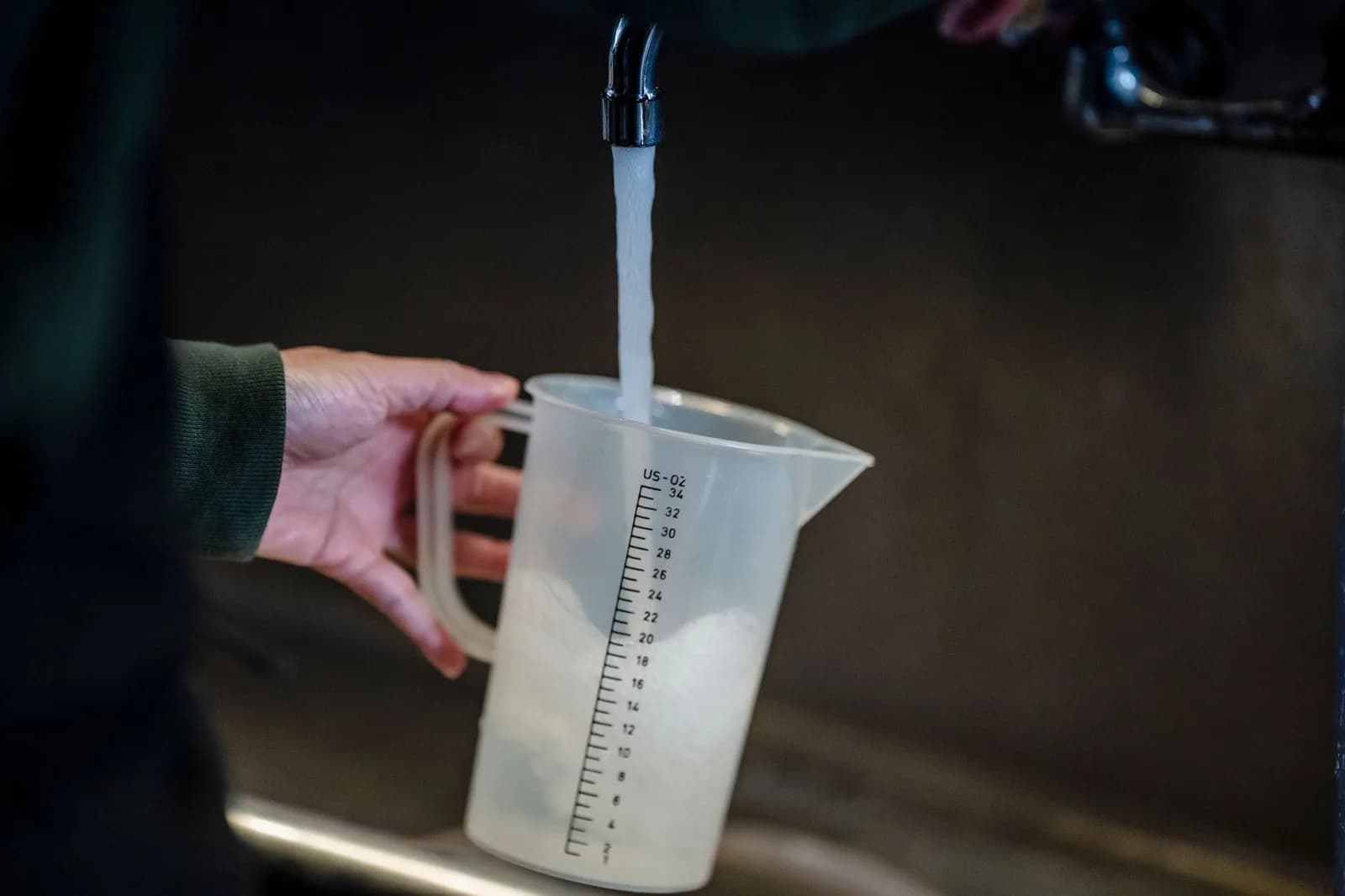
Mixing oral rehydration solution in the wrong ratio can be dangerous
A child has diarrhea, is thirsty, and feels exhausted; the caregiver hurriedly mixes a packet of Oresol with half a cup of water to make it “stronger and work faster.” This seemingly helpful action may result in a solution containing too much sodium. When vomiting or diarrhea causes the body to lose both water and electrolytes, Oresol helps replace these losses. However, its effectiveness and safety depend directly on mixing the entire packet with the exact volume of water stated on the label.
An overly concentrated solution has high osmotic pressure and may worsen diarrhea or electrolyte imbalances. Conversely, excessive dilution means the amount of glucose and electrolytes in each sip no longer matches the intended formula. This mistake is particularly concerning for young children, older adults, and people with kidney disease, heart failure, or diabetes because their bodies may have a limited ability to regulate water and salt.
Oresol should be distinguished from sports drinks, mineral water, and homemade sugar-salt solutions. These drinks contain different amounts of sugar, sodium, and potassium and cannot automatically replace a standardized oral rehydration solution. Oresol also does not stop diarrhea or eliminate its underlying cause; it is used to replace fluids and electrolytes while the patient’s condition continues to be monitored.
Oresol rehydrates through a balanced combination of glucose and electrolytes
Oresol usually contains glucose along with sodium, potassium, and citrate. In the small intestine, glucose and sodium are absorbed simultaneously through a cotransport mechanism; water follows these substances into the body. It is this combination at specific concentrations that enables the solution to provide rehydration. Adding sugar, using less water, or diluting the solution excessively can all disrupt this balance.
Importantly, packets that look nearly identical may not require the same amount of water. Some are mixed with 200 ml, 500 ml, or 1 liter. Therefore, do not memorize one general ratio and apply it to every product; reread the instructions each time you open a packet.
Three common Oresol mixing mistakes that alter its concentration
The most common mistake is estimating the water using a rice bowl, an unmarked bottle, or an “approximate” amount. The second mistake is dividing the powder by eye to prepare half a packet. The ingredients in the powder may not be evenly distributed, while the opened remainder can easily absorb moisture and become contaminated. Therefore, the entire packet should be mixed at once.
The third mistake is adding sugar, salt, milk, medicine, or fruit juice to make it easier to drink. This changes the concentration and absorption. Do not use carbonated water, mineral water, or hot water unless permitted by the label. Use the specified type of safe drinking water and follow the manufacturer’s preparation instructions.
How to mix Oresol safely in 5 steps
The key rule is not “one packet per bottle,” but one packet mixed with the exact number of milliliters stated on that packet. A 500 ml bottle is unsuitable for a packet requiring 200 ml or 1 liter. Before beginning, prepare the water as directed on the label, a clean container with a lid, and a clearly marked measuring cup; then wash and dry your hands.
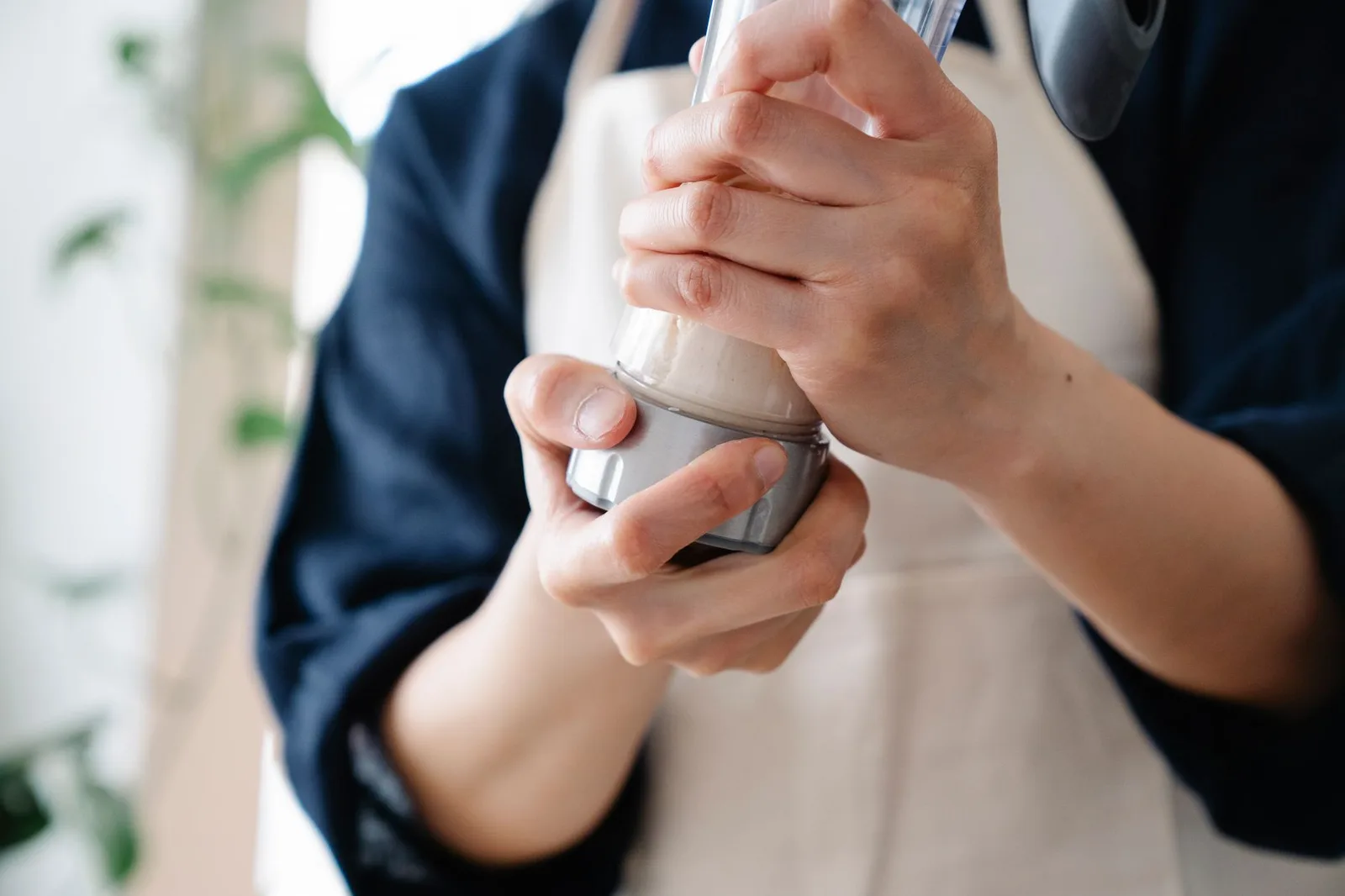
The following procedure helps check each point where an error may occur. Do not increase the concentration because the patient has severe diarrhea, and do not add water after tasting the solution and finding it salty. If you are unsure whether the water was measured correctly, some powder was spilled, or the container may have been contaminated, the safe choice is to discard the solution and prepare a new packet.
Five steps to maintain the correct electrolyte-solution ratio
- Check the packet: read the product name, expiration date, packaging condition, and required water volume. Do not use a packet that is torn, damp, unusually clumped, or expired.
- Measure the water: put the full required amount of water into a clean container before adding the powder. Place the measuring cup on a flat surface and read the marking at eye level.
- Mix the entire packet: pour all the powder into the measured water, then stir until completely dissolved or uniformly mixed according to the product’s characteristics.
- Keep the formula unchanged: do not add any ingredients or boil the solution after mixing.
- Record the mixing time: seal the container, note the date and time of preparation, and use a clean cup or spoon when giving the solution.
After mixing, do not use the solution if it changes color unexpectedly, contains foreign matter, smells unusual, or does not have the appearance described on the label. Preparing another packet may cost more, but it avoids the risks caused by an incorrect concentration or contamination.
Giving small sips helps reduce vomiting
Have the patient drink slowly in small sips; a clean spoon can be used for children. If vomiting occurs, pause for about 5–10 minutes, then resume with smaller amounts at a slower pace. Forcing the patient to quickly drink a large cup may trigger vomiting, reducing the amount of solution actually retained.
The amount needed depends on age, weight, the number of bowel movements, and the degree of dehydration. Children should receive it according to a healthcare professional’s instructions rather than using a single general amount. If the child is still breastfeeding, continue breastfeeding; suitable foods may be continued when tolerated. Do not replace Oresol with soft drinks or concentrated fruit juice.
Oresol should generally be used within 24 hours after mixing
A common guideline is to use the prepared solution within 24 hours. However, the instructions on the packaging always take precedence; if the label specifies a shorter period, follow that limit. Once the solution’s usable period after mixing has expired, discard the remainder even if it still looks normal.
Do not add more water to the old container, combine the remainder with a newly prepared batch, or “extend” its shelf life by reheating it. Keep the container tightly closed and away from sunlight, high temperatures, and areas prone to contamination. If the label requires refrigeration, place the container in the refrigerator but do not freeze it.
Writing the mixing time directly on the container is a small step that helps prevent accidental use of solution that has been stored too long.
How to store Oresol after mixing
Do not drink directly from a shared container. Saliva can introduce microorganisms into the solution; instead, pour only the required amount into a clean cup or use a clean spoon. Do not pour any dispensed solution back into the container.
Discard the solution immediately if it develops an unusual odor, changes color, contains abnormal sediment, has been left open too long in a hot environment, or if the preparation time is unknown. Do not keep it until the next day simply because its smell or taste has not changed, as microbial contamination cannot always be seen or smelled.
Signs of dehydration that require prompt medical attention
Seek prompt medical care if the patient drinks poorly, vomits continuously, has frequent diarrhea, develops a high fever, has blood in the stool, or does not improve. Emergency medical assistance is required if the patient is lethargic, difficult to wake, has sunken eyes, is extremely thirsty, has cold hands and feet, urinates very little, or does not urinate.
Infants, older adults, and people with kidney disease, heart failure, or diabetes need individualized instructions on how much to take and should avoid replacing fluids excessively on their own. When dehydration occurs, incorrect mixing increases the risk; when prepared correctly, each sip of solution at the proper concentration helps replace lost fluids and electrolytes. The key lies in four specific actions: mix the entire packet, use the correct volume, give it slowly, and discard it on time. At the same time, always monitor for warning signs so the patient can receive timely medical care.