Water Below 80°C Helps Brew Lai Chau Ginseng Properly
Even a carefully prepared slice of ginseng can become intensely bitter if you pour freshly boiled water directly into the pot. This is a common practice because many people believe that hotter water produces better extraction. In fact, temperature has a noticeable effect on the aroma, taste, and quality of the ingredients after brewing. Simply allowing the water to cool to below 80°C will give you a milder beverage that is easier to control and suitable for daily consumption.
Brewing ginseng should be distinguished from decocting it. Brewing means steeping the ingredients in warm water for about 10–15 minutes. Decoction generally involves prolonged simmering, a specific volume of water, and a particular purpose, so it should be performed according to professional guidance. It should not be claimed that hot water completely destroys nutrients; a more accurate understanding is that excessively high temperatures or repeated reheating may alter the flavor and reduce the quality of the ingredients.
An easy rule to remember: use water below 80°C, steep for 10–15 minutes, and follow the dosage stated on the label.
Brewing Temperature Affects Ginseng’s Flavor and Quality
Rapidly boiling water can quickly draw out intense bitterness, making the ginseng aroma less delicate. Conversely, water that is too cool slows the dissolution or extraction process, especially with dried ginseng slices. A temperature below 80°C provides a relatively suitable balance for preparing a warm infusion at home. This is not a “therapeutic temperature,” nor does it replace the manufacturer’s specific instructions.
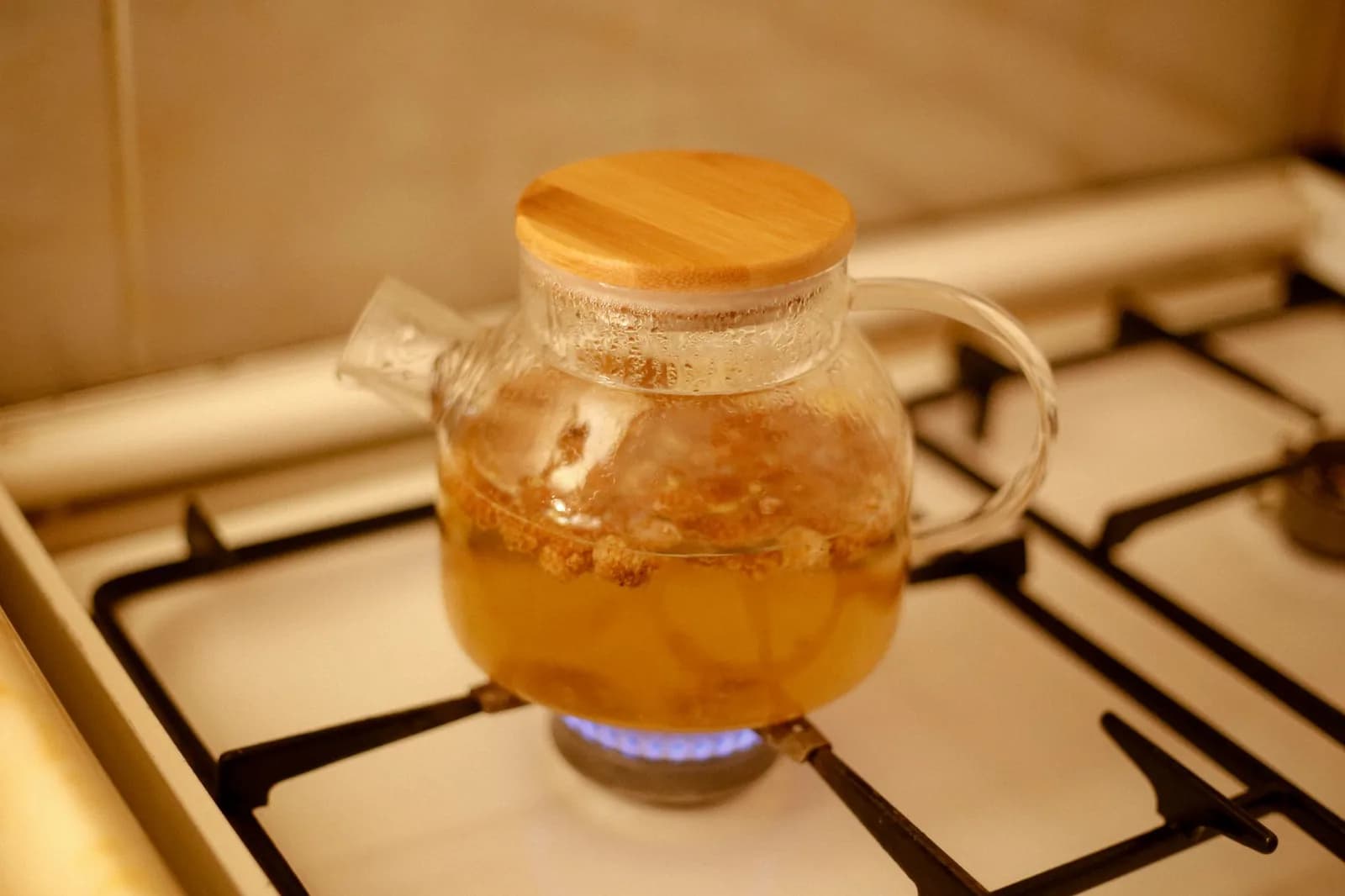
If you have a food thermometer, take the temperature immediately before pouring. Otherwise, bring the water to a boil, open the kettle lid, and wait approximately 5–10 minutes. The actual cooling time depends on the volume of water, the kettle material, and the room temperature. Therefore, the absence of small bubbles is only a general indicator, not an exact measurement.
Preparing Lai Chau Ginseng and Utensils Before Brewing
For fresh ginseng, rinse it quickly under running water, use a soft brush to remove soil from the crevices, then pat it dry and cut it into thin, relatively even slices. Do not soak the root in a basin of water for an extended period. Before use, check the expiration date, packaging seal, and any signs of moisture or unusual odors in dried ginseng, ginseng powder, and ginseng extract.
Each form has a different moisture content and concentration, so the same dosage cannot be used for all of them. Prepare a precision scale or the included measuring spoon, along with a clean, lidded glass or ceramic cup or pot. The utensils must be dry, especially when handling powder and extract, to prevent moisture from entering the remaining product.
How to Brew Lai Chau Ginseng with Warm Water in 4 Steps
Proper brewing does not require complicated equipment, but the correct sequence must be followed: measure the dosage, allow the water to cool, steep for the proper amount of time, and then consume. The age of the root, its dryness, and its concentration may cause the content of two products to differ considerably. Therefore, the dosage on the label or professional guidance should always take precedence over word-of-mouth recipes.
However, using more ginseng does not mean that its supportive effects will occur more quickly. A sensible approach is to maintain an appropriate dosage and monitor your body’s response. If the flavor is too strong, you can adjust the amount of water rather than arbitrarily increasing or decreasing the ingredients, especially when using powder and concentrated extract.
Four Steps to Steep Lai Chau Ginseng for 10–15 Minutes
Measure the correct amount according to the label. Cut fresh or dried ginseng into thin, even slices; do not estimate the amount of powder or extract by sight.
Bring the water to a boil, then allow the temperature to fall below 80°C. You may rinse the pot with hot water and discard the rinse water.
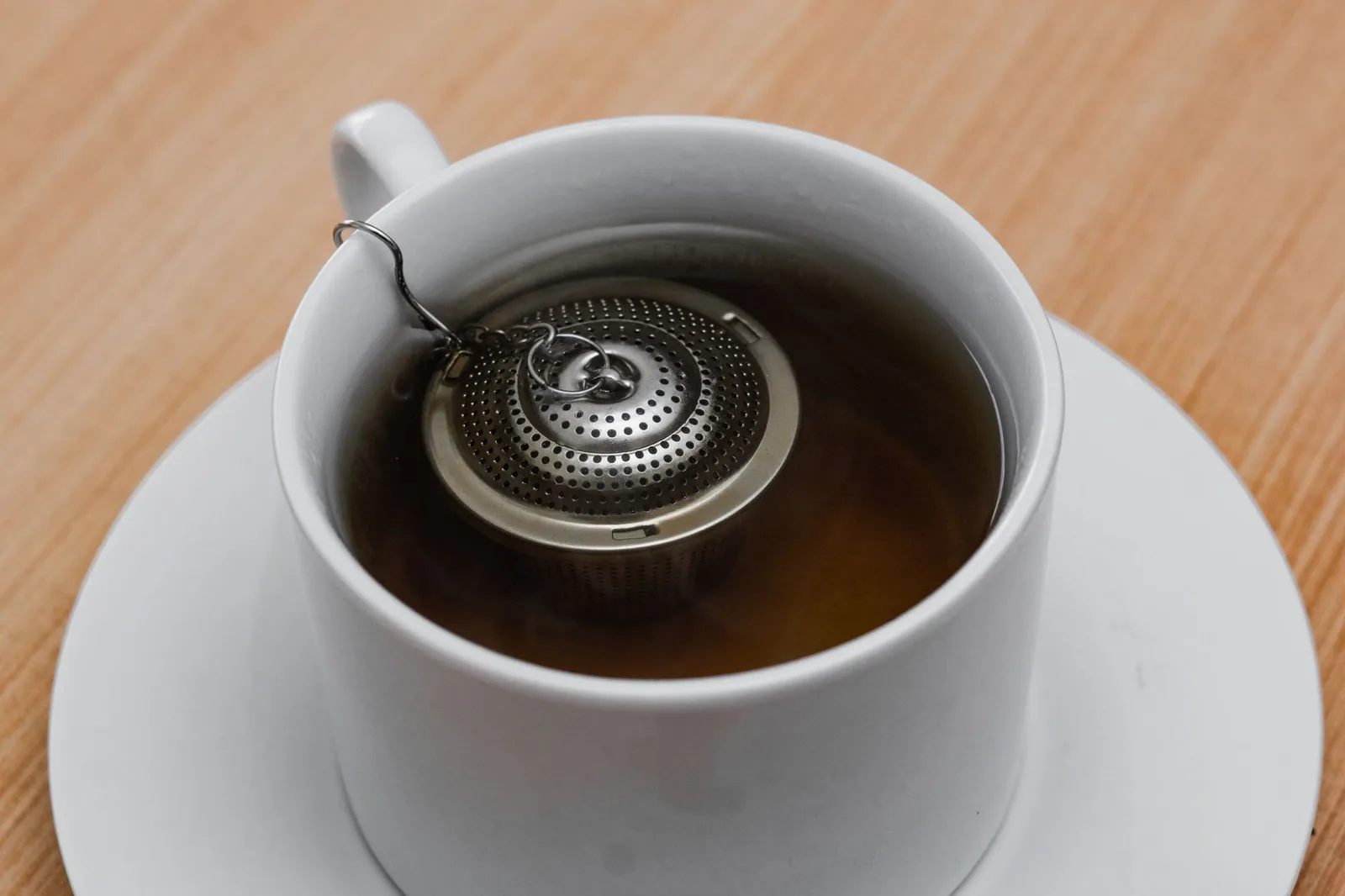
Place the ginseng in the pot, pour in enough water to cover it, close the lid, and steep for 10–15 minutes.
Drink while warm. You may consume the ginseng slices if appropriate; add more water only if permitted by the product instructions.
Avoid boiling the pot of ginseng or repeatedly reheating the brewed liquid. If you do not plan to drink it immediately, brew only enough for one serving rather than leaving it at room temperature for an extended period.
Each Form of Lai Chau Ginseng Requires a Different Brewing Method
The table below distinguishes the preparation methods for four common forms. No universal dosage is provided because the instructions on each product label must be followed.
Preparation and Consumption by Ginseng Form
Ginseng Form | Preparation | Brewing Method | Time | Notes |
|---|---|---|---|---|
Fresh ginseng | Rinse quickly and slice | Steep below 80°C | 10–15 minutes | Do not soak or wash for too long |
Dried ginseng | Check for dryness | Steep below 80°C | 10–15 minutes | Keep the pot covered |
Ginseng powder | Measure according to the label | Stir thoroughly | Consume after mixing | Consume the sediment if instructed |
Ginseng extract | Use a dry spoon | Dissolve completely | Consume immediately after preparation | Do not increase the dosage yourself |
If you want to add honey to soften the flavor, wait until the water has cooled to a warm temperature before stirring it in. Do not give honey to children under 12 months old. People who need to manage their blood sugar must also account for the added sugar in their diet rather than viewing honey as an ingredient that can be used freely.
5 Mistakes to Avoid When Brewing and Drinking Lai Chau Ginseng
Seemingly minor mistakes can make a cup of ginseng intensely bitter, make the dosage difficult to control, or cause its quality to deteriorate quickly. Five common mistakes are pouring in boiling water, reheating it multiple times, steeping it for too little or too much time, adding honey while the water is still too hot, and measuring ginseng by guesswork. The solution is to standardize each brew using a thermometer, timer, and measuring tools.
Lai Chau ginseng is an ingredient used to support health and should not be relied upon to delay medical examinations or independently alter prescribed medication. Claims such as completely preserving active compounds or guaranteeing results are imprudent. The most important considerations are to use a product with clear information, follow the correct dosage, and monitor your tolerance.
Storing Lai Chau Ginseng to Reduce Moisture and Mold
Fresh ginseng should be placed in a clean container, stored according to the supplier’s instructions, and consumed within the recommended period. Discard roots with an unusual odor, slimy surfaces, or signs of spoilage. Dried ginseng and powder must be kept tightly sealed and away from sunlight, heat sources, and moisture; always use a dry spoon.
For ginseng extract, close the lid immediately after taking some out and follow the storage conditions on the label. Do not continue using a product if its packaging is open or damaged, or if it shows mold, unusual discoloration, separation, or a noticeable change in odor. Saving a portion of the product is not worth compromising your safety.
How to Consume Lai Chau Ginseng Safely for Different Individuals
People who are pregnant or breastfeeding, children, those with underlying medical conditions or blood-clotting disorders, people preparing for surgery, and those taking medication should consult a doctor before use. If you experience persistent insomnia, heart palpitations, headaches, digestive discomfort, a rash, or any unusual reaction, stop using the product and speak with a healthcare professional; severe symptoms require prompt medical attention.
Previously, you may have poured in boiling water and estimated the dosage by feel. After following the correct process, each preparation will be more consistent in temperature, steeping time, and dosage. The bridge between those two outcomes is a short checklist: check the label and product condition, measure the correct amount, keep the water below 80°C, steep for 10–15 minutes, drink it warm, and monitor your body’s response. Start with your next cup of ginseng.
This product is not a medicine and is not intended to replace medical treatment.