

Three Coordinated Pillars for Improving Physical Condition
Do you get a full eight hours of sleep but still wake up with a heavy head, quickly lose energy in the afternoon, and frequently postpone your workouts? The problem may not lie solely with sleep. Physical condition results from the interaction between sleep, exercise, and nutrition, rather than merely what appears on the scale. When these three foundations are properly aligned, the body is better able to maintain stable energy, concentrate more effectively, and recover more easily. The following section will help you understand this relationship and begin with manageable changes.
In practice, physical condition is also reflected in your endurance when climbing stairs, ability to maintain muscle mass, alertness during the day, sleep quality, and how you feel after physical activity. Regular physical activity benefits the heart, body, and mind, while guidelines from the American Academy of Sleep Medicine emphasize that sufficient, consistent sleep is an essential part of good health.
These three factors form a cycle of mutual influence. Poor sleep can reduce motivation to exercise and affect food choices. Nutrition provides energy and the building blocks needed for activity and recovery. Appropriate exercise, in turn, helps improve fitness and sleep quality. Therefore, optimizing just one factor is often insufficient: a good diet cannot deliver its full benefits if you are constantly sleep-deprived, while exercising regularly without consuming enough energy also makes recovery more difficult.
Seven to Nine Hours of Sleep Supports Energy and Recovery
The American Academy of Sleep Medicine and the Sleep Research Society recommend that most adults sleep for at least seven hours per night; the National Sleep Foundation provides a commonly cited range of 7–9 hours. However, duration is not the only criterion. A highly irregular sleep schedule, frequent awakenings, or still feeling exhausted upon waking all deserve attention.

According to a 2016 review by St-Onge and colleagues in Circulation, short sleep duration is associated with changes in eating behavior and energy balance. Experimental studies summarized in the article also observed changes in hunger signals such as ghrelin and leptin under certain sleep-deprivation conditions. Practical consequences may include cravings for energy-dense foods, reduced concentration, and less desire to exercise the next day.
During sleep, many tissue-repair and physiological-regulation processes take place; the American Physiological Society also describes sleep as an important component of recovery after exercise. You can read the article Guide to Building a Healthy Sleep Schedule to learn how to establish suitable waking times, light exposure, and relaxation habits.
150 Minutes of Physical Activity Improves Endurance
WHO recommends that adults complete at least 150–300 minutes of moderate-intensity aerobic activity per week, or 75–150 minutes of vigorous-intensity activity, while also strengthening the major muscle groups on at least two days. This is a reference target, not a requirement everyone must meet immediately. Older adults, people with underlying medical conditions, or those who have been inactive for a long time should consult a healthcare professional to adjust the type and intensity of exercise.
Regular physical activity helps improve cardiorespiratory fitness and maintain muscle function. A 2017 systematic review in the Journal of Physiotherapy found that exercise may improve sleep quality in adults. However, strenuous exercise too close to bedtime can make it difficult for some people to wind down; a 2019 review in Sports Medicine found that responses also depend on timing, intensity, and the individual.
The key priority is choosing a level of activity that can be maintained for months. On rest days, slow walking, joint mobility exercises, or gentle stretching can still help reduce sedentary time. A manageable but consistent plan is usually more practical than a series of strenuous workouts followed by an extended break.
Balanced Nutrition Sustains Fuel and Muscle Mass
In the diet, carbohydrates are an important fuel source for many forms of physical activity; protein provides amino acids to maintain and repair muscle tissue; and fats contribute to cell membrane structure and many physiological functions. A 2016 joint position statement from the Academy of Nutrition and Dietetics, Dietitians of Canada, and the American College of Sports Medicine emphasizes that needs must be individualized according to the type and volume of exercise and personal goals.
Rather than consuming most of your protein at dinner, you can distribute protein sources relatively evenly across meals. This distribution may support muscle protein synthesis in physically active people, but the specific amount also depends on body weight, age, and kidney health. A single figure should not be applied to everyone.
Water should also be replenished regularly according to the weather, perspiration levels, and workout duration. Iron, magnesium, and B vitamins participate in energy metabolism this does not mean that high doses will generate additional energy when the body is not deficient. Supplementation should be based on an assessment of dietary intake, symptoms, and professional advice.
A Cycle of Imbalance Causes Physical Condition to Decline
The problem often begins quite ordinarily: working late one evening, drinking extra coffee the next morning, skipping a workout, and then choosing fast food because you are too tired. By evening, the caffeine may still be having an effect, or an overly large meal may make it harder to relax. If this cycle repeats, the three unhealthy habits amplify one another, further reducing energy and the ability to maintain a healthy routine.
Feeling tired after one busy day does not necessarily mean you have a persistent health problem. However, the UK's National Health Service recommends seeing a doctor when fatigue lasts for several weeks, affects daily life, or is accompanied by weight loss, mood changes, or unusual symptoms. The initial solution is not an extreme diet or compensatory exercise. Address the easiest link in the chain to change with one small, measurable, and repeatable action.
Sleep Deprivation Disrupts Eating and Reduces Physical Activity
After a night of poor sleep, sluggishness may cause you to sit longer or postpone your workout. Kline's review in the American Journal of Lifestyle Medicine describes the bidirectional relationship between sleep and physical activity; poor sleep can affect the ability to engage in exercise, while appropriate exercise can support sleep.
At the same time, an experimental study by Greer and colleagues published in Nature Communications in 2013 found that sleep deprivation altered brain activity related to food evaluation and increased the desire for energy-dense foods. After such a night, try to eat meals on schedule, get exposure to daylight, and reduce workout intensity if your reflexes or alertness are impaired. Returning to a consistent waking time is generally more appropriate than sleeping in until well past noon.
Undereating and Overtraining Hinder Recovery
A diet lacking energy, protein, or water can leave you depleted during exercise and reduce your ability to maintain the plan. The International Olympic Committee's 2023 consensus statement on relative energy deficiency in sport describes numerous adverse effects when energy intake does not meet the demands of prolonged physical activity.
Your training load should be reviewed if you experience persistent soreness, declining performance, an unusually high resting heart rate, irritability, or disrupted sleep. A consensus statement from the American College of Sports Medicine and the European College of Sport Science considers these signs that may occur when recovery is inadequate, although no single sign is sufficient for a diagnosis.
A practical approach is to alternate hard and easy days, increase training volume gradually, and include water along with a post-workout meal containing suitable carbohydrates and protein. The article Nutrition Before and After Exercise will help you choose timing and portions more closely suited to your type of workout.
Dinner, Caffeine, and Alcohol Affect Sleep
Dinner should be moderate in size, prioritize familiar and easily digestible foods, and finish about 2–3 hours before lying down. This recommendation should be applied flexibly; people with acid reflux or metabolic disorders should follow the guidance of a doctor or dietitian.
Caffeine has an average half-life of about five hours, but this varies greatly between individuals. A 2013 trial in the Journal of Clinical Sleep Medicine found that caffeine consumed six hours before bedtime could still reduce sleep duration. Therefore, monitor your personal tolerance and limit caffeine in the late afternoon and evening.
Alcohol may initially cause drowsiness, but a review by Ebrahim and colleagues in Alcoholism: Clinical and Experimental Research found that it alters sleep architecture and may fragment sleep. Intentional eating and drinking habits create better conditions for sleep; conversely, sufficient sleep helps make food choices less dependent on immediate feelings of fatigue.
A Seven-Day Plan for Sustainable Improvement in Physical Condition
The first week is not intended to transform your entire life or set exercise records. The goal is to create a routine practical enough to continue into the second week. Choose a consistent waking time as your anchor, then arrange sleep, meals, and physical activity around your actual work schedule.
And this is the most important point: change only one step at a time, then monitor your body's response before increasing the intensity. The plan below turns the three broad principles into small, clear, and easy-to-track actions.
Days 1–4: Standardize Sleep and Nutrition
On days 1–2, record the time you go to bed, when you wake up, and how alert you feel in the morning. Try to keep your waking time within about 30–60 minutes from one day to the next. The CDC recommends going to bed and waking up at consistent times, including on weekends, to support a regular sleep routine.
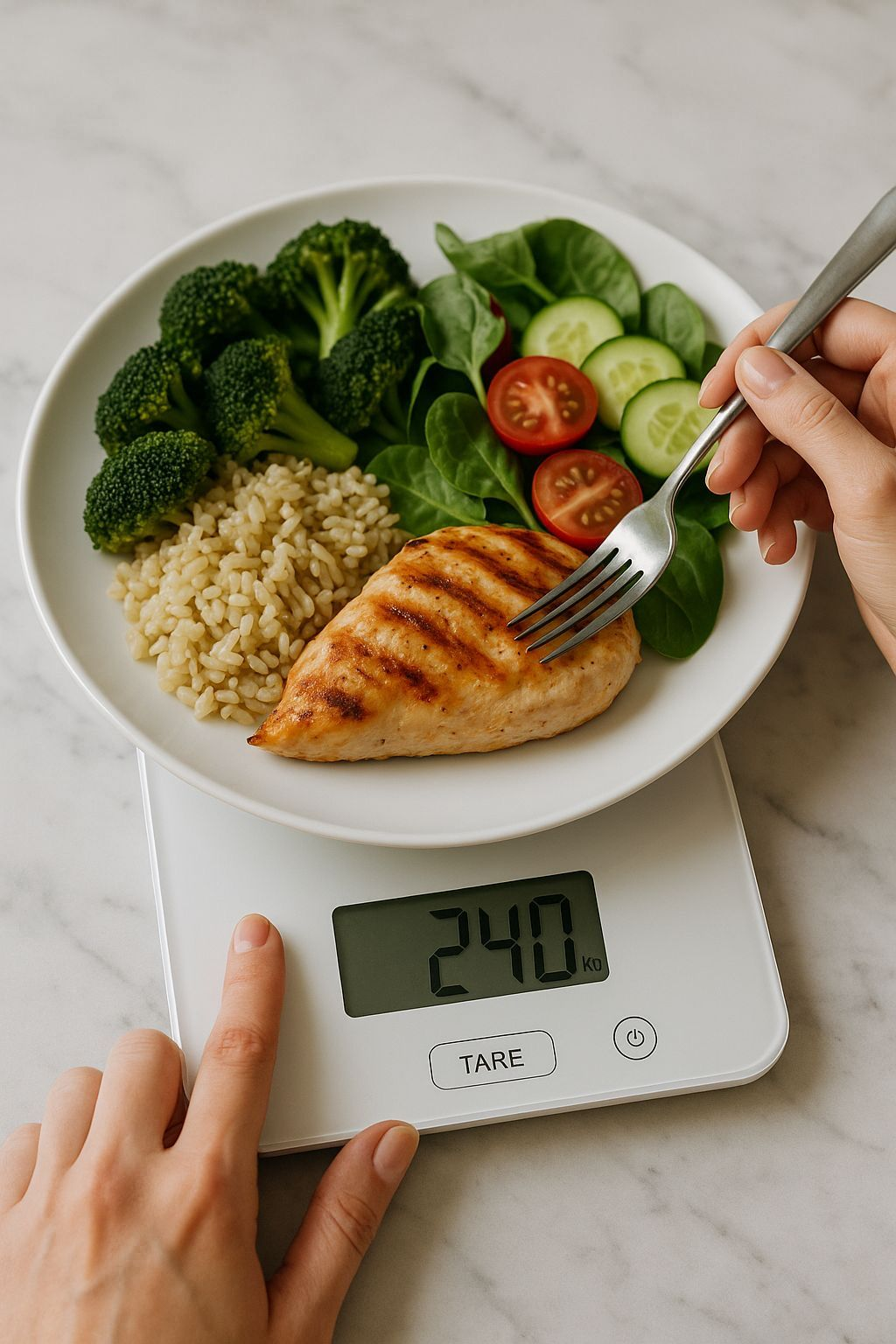
On days 3–4, arrange three main meals according to your personal schedule. Each meal should include vegetables or fruit, a protein source, suitable carbohydrate-rich foods, and a moderate amount of fat, following WHO's healthy eating model. Keep a water bottle ready; gradually reduce late caffeine, alcohol, and overly large dinners. You can also refer to the article Building a Balanced Nutrition Plan to adjust your portions.
Days 5–7: Increase Activity According to Your Physical Condition
On day 5, walk briskly or engage in moderate activity for 20–30 minutes. On day 6, add a basic strength session with chair squats, wall push-ups, and hip bridges if appropriate. On day 7, take a gentle walk, stretch, and assess your soreness. Beginners can divide physical activity into 5–10-minute intervals; WHO affirms that every amount of activity counts.
The talk test helps estimate moderate intensity: you can still speak in sentences but would find it difficult to sing. If you exercise in the evening, consider finishing strenuous activity 2–3 hours before bedtime and monitor your response; slow walking or stretching is generally easier to tolerate.
Four Metrics to Help Adjust Weekly Habits
Record four metrics: sleep duration and consistency; daytime energy on a scale of 1–10; total minutes of physical activity; and hunger levels together with meal quality. Evaluate the trend after seven days rather than judging any single day. Increase only one variable each week, such as adding 10 minutes of walking or moving bedtime 15 minutes earlier.
Sleeping in on weekends cannot fully replace a consistent sleep schedule. Whether evening exercise is suitable depends on individual response. Supplements also cannot replace sleep, nutrition, and physical activity; they should only be used after considering your needs, their ingredients, and potential interactions with medications. If fatigue, insomnia, or reduced exercise capacity persists, see a doctor to identify the cause.
Previously, you may have woken up tired and tried to fix everything with one strenuous workout or a supplement. After seven days, a more realistic goal is to have a consistent waking time, prepared meals, and manageable physical activity. The bridge between those two states begins today: choose a waking time, prepare your next meal, and schedule your first walk.