
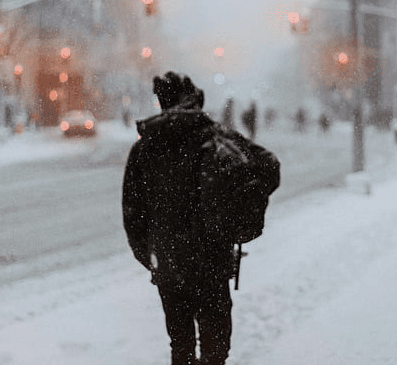
Cold-weather nutrition to help men maintain physical fitness
Cold weather can make men less active, eat more, and sleep irregularly. However, energy needs also depend on body weight, activity level, and environment—not just feelings of hunger. This article helps you create a 7-day eating, exercise, and sleep schedule to maintain men’s physical fitness in cold weather without disrupting your routine.
The problem often lies in a cycle of prolonged sitting, compensatory eating, and continued inactivity. Sedentary behavior is associated with adverse health outcomes, while strength training helps maintain muscle function. Therefore, a cold-weather diet should serve three goals: providing enough energy for daily activities, supplying nutrients to maintain muscle mass, and supporting recovery after exercise.
No single food can “boost physical fitness” on its own. Health is influenced by overall diet, physical activity, and sedentary behavior; sleep is also an essential part of recovery. For more detailed planning, you can also read this guide to creating a balanced diet for men.
Meals containing all four nutrient groups support energy and muscle mass
Each main meal should combine protein, carbohydrates, fats, and fruits and vegetables. An easy-to-prepare plate might include brown rice or potatoes, steamed fish or lean meat, boiled vegetables, and a source of fat from vegetable oil or nuts. The WHO’s “Healthy diet” fact sheet recommends whole grains, fruits and vegetables, legumes, and lean protein sources instead of diets high in processed foods.

Protein provides the amino acids needed by muscles, while carbohydrates and fats supply energy for activity 2016 “Nutrition and Athletic Performance” position statement. Food intake should be adjusted according to body weight, exercise intensity, and underlying medical conditions rather than simply increasing meat or rice. Colorful fruits and vegetables provide fiber and micronutrients; squash soup and low-sodium vegetable soup can feel warming but should not completely replace fresh vegetables.
Hydration and meals around workouts determine recovery capacity
Thirst may be less noticeable in cold weather, but the body still loses water through breathing and perspiration. Exercisers should proactively drink water before, during, and after physical activity; prolonged workouts or heavy sweating may require electrolytes, depending on the circumstances. Warm, unsweetened ginger tea is a pleasant option, but a “warm beverage” does not need to contain a lot of added sugar.
1–2 hours before exercise, you can eat a banana with yogurt or whole-grain bread with eggs. After exercising, have a balanced meal with rice, fish, and vegetables instead of only drinking a protein shake. Combining carbohydrates and protein around workouts supports energy replenishment and muscle recovery. Alcohol is not a way to stay warm: the U.S. Centers for Disease Control and Prevention’s “About Alcohol Use” resource notes that alcoholic beverages can affect health; alcohol consumption is also incompatible with the goals of rehydration and adequate sleep.
How to organize cold-weather exercise
The 150-minute recommendation for maintaining men’s physical fitness in cold weather
Adults should complete at least 150–300 minutes of moderate-intensity aerobic activity per week, 75–150 minutes of vigorous-intensity aerobic activity, or an equivalent combination. They should also perform muscle-strengthening exercises targeting all major muscle groups at least 2 days per week. This target applies to adults in general; inactive people should begin with a manageable duration and gradually increase it rather than concentrating all their exercise on the weekend.
“Recommendations for Physical Activity in Adults,”, people with cardiovascular disease or unusual symptoms should consult a healthcare professional before significantly increasing exercise intensity. This guide to assessing exercise intensity using the “talk test” and heart rate will help you make more precise adjustments.
Brisk walking and strength training reduce prolonged sitting
Brisk walking for 20–30 minutes is a low-impact option; if you have a busy schedule, you can divide it into three 10-minute sessions. WHO recommends reducing sedentary time, so stand up to walk around or mobilize your joints after every 30–60 minutes of sitting.
Schedule 2–3 full-body sessions each week featuring squats, wall push-ups, hip hinges, resistance-band rows, and planks. Move slowly and control your form before increasing resistance. During extreme cold or air pollution, you can walk in place, climb stairs, or exercise with resistance bands indoors.
A dynamic warm-up and three layers of clothing help you exercise safely
Before exercising, spend 8–10 minutes rotating your joints, performing high-knee marches, and practicing the main movements. ACSM recommends warming up before physical activity; prolonged static stretching is more suitable once the muscles are warm.
The three clothing layers consist of a moisture-wicking base layer, an insulating middle layer, and a windproof or waterproof outer layer. Protect your head, neck, and hands, but avoid dressing so heavily that perspiration becomes trapped. The CDC’s “Cold Stress” guidance recommends watching for signs of hypothermia; if prolonged shivering, loss of coordination, or confusion occurs, stop exercising, move to a warm place, and seek medical assistance.
A 7-day plan for maintaining physical fitness in cold weather
The schedule below is a reference framework, not a mandatory template. It includes a total of 150 minutes of moderate-intensity aerobic activity on days 1, 3, 4, 6, and 7, along with two strength sessions on days 2 and 5, matching the minimum WHO recommendations mentioned above. Beginners or those unable to maintain moderate intensity for the full duration can reduce the workload, increase it gradually, and treat this schedule as a goal to work toward.

A 7-day eating, exercise, and recovery plan
Day | Activity | Duration | Meal focus | Recovery |
|---|---|---|---|---|
1 | Brisk walking, moderate intensity | 30 minutes | Fish, rice, vegetables | Sleep 7–9 hours on a regular schedule |
2 | Full-body strength training | 30 minutes | Eggs, potatoes, fruit | Gentle stretching, 7–9 hours of sleep |
3 | Brisk walking, moderate intensity | 30 minutes | Legumes, grains | Joint mobility exercises, 7–9 hours of sleep |
4 | Brisk walking, moderate intensity | 30 minutes | Lean meat, vegetables | Drink water regularly, sleep 7–9 hours |
5 | Full-body strength training | 30 minutes | Fish, potatoes, milk | Relaxation, 7–9 hours of sleep |
6 | Moderate-intensity aerobic activity | 40 minutes | All four food groups | Slow walking, 7–9 hours of sleep |
7 | Brisk walking, moderate intensity | 20 minutes | Colorful fruits and vegetables | Prepare for the new week, sleep 7–9 hours |
For office workers, a day might begin with a breakfast of eggs, whole-grain bread, and fruit; after every 45–60 minutes of work, stand up and walk around for a few minutes; take a brisk 30-minute walk in the late afternoon; eat a dinner containing all four food groups; and go to bed at a fixed time. This specific arrangement helps maintain a steady routine instead of exercising twice as much after missing a day.
Seven to nine hours of sleep completes the recovery cycle
Most adults should sleep 7–9 hours per night. Relatively consistent bedtimes and wake-up times support the circadian rhythm. Recovery days should still include light walking, but you should reduce the workload if muscle soreness interferes with movement or if you experience persistent fatigue or poor sleep.
Caffeine close to bedtime, overly large meals, and alcohol can reduce sleep quality. Feeling drowsy after drinking alcohol does not mean you are getting restorative sleep.
Three indicators that show the plan needs adjustment
Each week, record your daytime energy level, ability to complete workouts, and sleep quality. If two or more indicators worsen consecutively, reduce the duration or intensity. You can also consult this guide to recognizing signs of overtraining and applying recovery principles.
Chest pain, unusual shortness of breath, dizziness, fainting, an irregular heartbeat, or a prolonged decline in physical capacity requires medical assessment. This product is not a medicine and is not intended to replace medical treatment.
To maintain men’s physical fitness in cold weather, your eating, exercise, and sleep schedule should be manageable, consistent, and adjustable according to your body’s response. This week, choose the one change that suits you best—such as taking a brisk 30-minute walk, balancing one meal, or setting a fixed bedtime—and start putting it into practice.