
The 6-step Ngoc Linh ginseng drying process
A fresh Ngoc Linh ginseng root can quickly lose quality if its natural water content is not properly controlled. Just one damp spot in the core, one slice thicker than the rest, or packaging a few minutes too early can cause an entire batch to develop an unusual odor, reabsorb moisture, or grow mold. Proper drying is not simply about making the roots lighter; it is a process that preserves their color, aroma, structure, and characteristic constituents under more stable conditions.
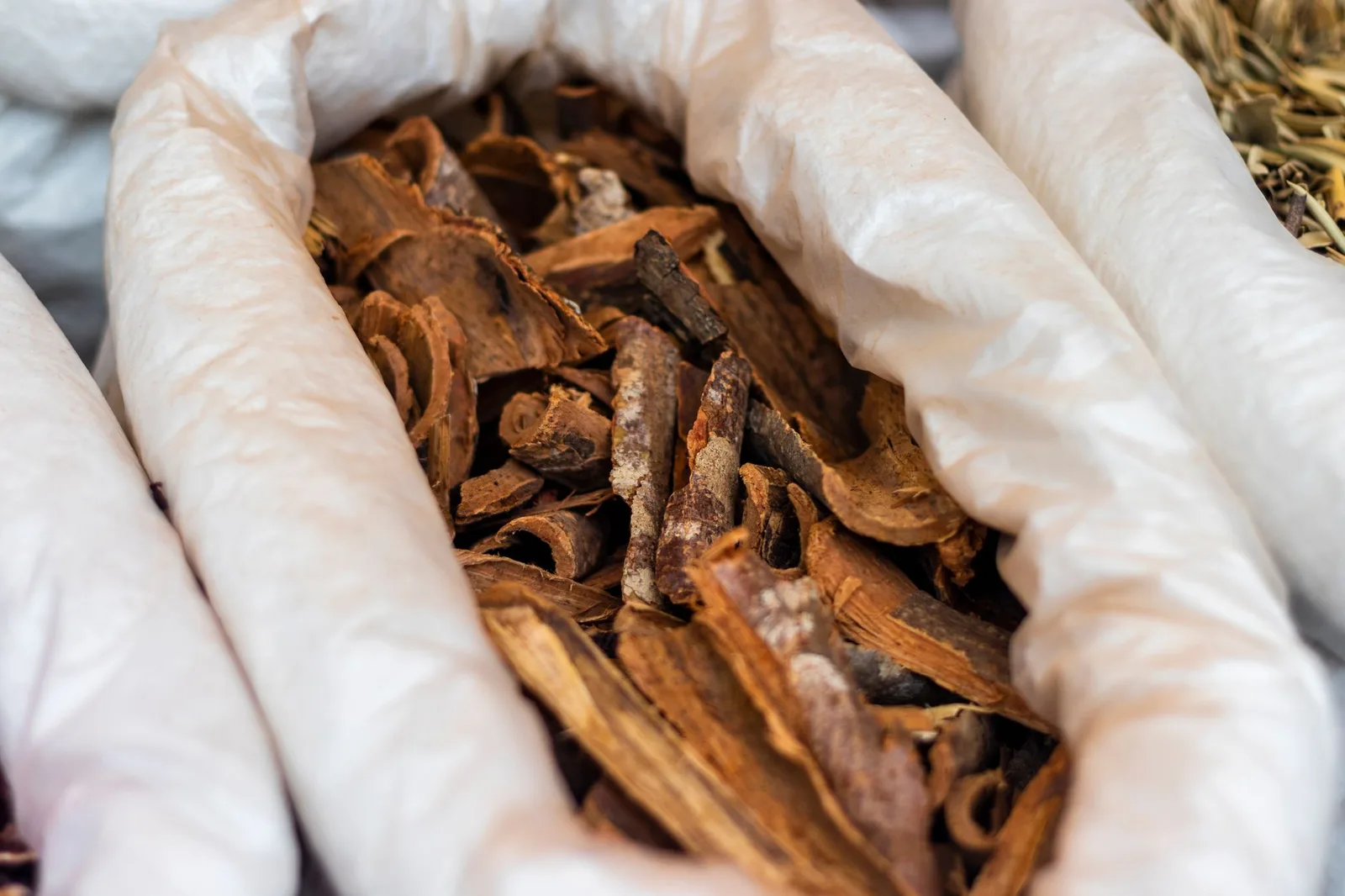
The primary objective is to reduce moisture content and water activity to established limits, thereby inhibiting microorganisms, enzymatic reactions, and changes during storage. However, quality is not determined by a single temperature setting. Time, airflow, slice thickness, the amount of material in each batch, and equipment design all directly affect the rate of moisture removal.
Therefore, the following six steps are a reference framework, not a formula to be copied verbatim. Each facility must validate its process using moisture and microbiological test results and, when necessary, active-compound quantification. A temperature that works effectively in a small drying cabinet may not be suitable for a drying chamber holding dozens of kilograms of material.
Three preparation steps that determine batch uniformity
Step 1 is receiving and sorting. Roots should be separated by size, age, or condition; bruised or rotten parts must be removed and kept separate. Records for each lot should include its origin, receiving date, and initial weight. Mixing large and small roots often results in smaller roots becoming overdried while the cores of larger roots remain moist.
Step 2 is cleaning using an appropriate sanitation procedure that minimizes surface abrasion. The material must then be thoroughly drained to avoid introducing unnecessary free water into the drying chamber. Water remaining in root crevices both prolongs drying time and causes uneven moisture levels across different areas.
Step 3 is choosing between drying whole roots and cutting them into uniform slices. Excessively thick slices create a longer path for moisture to escape and cause the core to dry slowly; overly thin slices are more likely to become brittle, break, curl at the edges, and have a larger surface area exposed to oxygen. A practical tip is to use a sizing tool rather than estimating by eye and to randomly inspect slices from the beginning, middle, and end of each cutting shift.
Three drying and cooling steps for moisture control
Step 4 is arranging the material in a loose layer without tightly overlapping it or obstructing air supply or return vents. The spaces between slices allow hot air to make relatively uniform contact with them. If trays near the heat source dry faster than those farther away, the facility should evaluate airflow distribution or establish a tray-rotation procedure.
Step 5 is setting the temperature, time, and airflow rate, then monitoring weight loss at regular intervals. When the weight is nearly stable, samples must still be tested against the established moisture-content or water-activity criteria. A batch should not be considered finished simply because the roots have hardened on the surface, as moisture may remain in the core.
Step 6 is cooling the product in a clean, dry area before packaging. Ginseng is still hot immediately after leaving the dryer; if it is placed directly into a sealed bag, water vapor may condense into droplets on the inside of the packaging. This is a direct route to moisture reabsorption, even if the preceding drying stage was performed correctly.
Acceptance criteria confirming a proper drying process
Sensory evaluation should confirm relatively uniform color, a characteristic aroma, a consistently dry condition, no scorching, no soft or damp spots, and no signs of mold. However, an attractive color or high degree of brittleness is merely an initial screening indicator. These qualities cannot replace laboratory testing because the condition of the core and the level of microbial contamination cannot be accurately determined by sight.
The minimum set of criteria should include moisture content or water activity, microbiological quality, and packaging condition. When evaluating the retention of characteristic constituents, saponin levels before and after drying must be compared on the same dry-weight basis. Comparing one gram of fresh ginseng with one gram of dried ginseng can produce misleading results because the water content has changed significantly.
Ginseng drying temperature determines dried ginseng quality
Temperatures that are too low may prolong drying time, exposing the material to oxygen and enzymatic activity for longer. Conversely, excessively high temperatures may darken the color, alter the aroma, or cause the surface to harden. The problem becomes more pronounced when operators set only the temperature while overlooking slice thickness, tray load, and the endpoint. The solution is to establish the temperature range, time, airflow, and acceptance criteria together.
During drying, the surface absorbs heat and loses water first, while moisture in the core must gradually diffuse outward. Therefore, rapidly increasing the temperature does not necessarily shorten the entire batch by a corresponding amount. With thick roots or overly crowded trays, the surface may dry and harden before the internal water escapes, creating the impression that the product is “dry” while it still remains at risk of reabsorbing moisture.
Ranges below 50°C, around 50–60°C, and above 60°C are merely analytical reference points; the final parameters must be validated for each piece of equipment and production scale.
Low temperatures preserve sensory qualities but extend drying time
At low temperatures, the natural color, aroma, and certain heat-sensitive compounds are more likely to be preserved. In return, the slower moisture-removal rate prolongs exposure to oxygen. If the drying chamber is poorly sanitized, airflow is weak, or the material is stacked too thickly, the benefits of low-temperature drying may be negated by uneven drying.
Cold-air drying or heat-pump drying is suitable when a facility prioritizes sensory qualities and stable temperature control. Nevertheless, investment decisions must also account for batch capacity, electricity consumption, operating time, the ability to clean heat exchangers, and maintenance costs. Low temperatures do not automatically ensure high quality if the endpoint is not measured.
High temperatures shorten drying time but increase risks
High temperatures accelerate water evaporation during the initial stage and may therefore shorten production time. But wait: if airflow is unevenly distributed, the surfaces of ginseng slices may darken, harden, or develop an altered aroma while the cores remain moist. The risk increases further when operators attempt to compensate for overloaded trays by raising the temperature.
Some saponins may be hydrolyzed or transformed through the combined effects of heat, moisture, and time. To determine whether drying reduces saponin content, samples must be analyzed before and after drying using an appropriate method. The proportion of saponins per gram of dried ginseng may increase simply because the water content has decreased; this does not prove that the total amount of saponins in the entire batch has been fully preserved.
Four drying technologies produce different quality outcomes
Each technology creates a different heat-transfer and moisture-removal environment. The following table presents a comparative overview to support selection, not a fixed set of operating parameters.
Comparison of four ginseng drying technologies
| Technology | Operating temperature | Time | Quality and risks | Cost and scale |
|---|---|---|---|---|
| Sun drying or hot-air drying | Medium to high | Short to moderate | Prone to darkening; uniform airflow required | Low to moderate; easy to scale up |
| Heat-pump drying | Low to medium | Moderate to long | Fairly good color retention; thorough sanitation required | Moderate; professional facilities |
| Vacuum drying | Lower under reduced pressure | Moderate | Reduced oxygen exposure; complex controls | High; high-value batches |
| Freeze-drying | Low material temperature | Long | Porous structure, good rehydration | Very high; selective-scale production |
Freeze-drying generally produces a porous structure and good rehydration capacity, but the equipment, energy, and operating time are costly. Hot-air drying is easier to implement, but it requires strict control of temperature, tray load, and airflow. The appropriate technology must balance the target quality against production volume and the total cost per kilogram of finished product.
Storing dried Ngoc Linh ginseng to minimize deterioration
Completing the drying batch is not the end of quality control. Moisture, oxygen, light, ambient heat, and unsealed packaging can still cause dried ginseng to deteriorate. Each lot should be traceable by drying date, batch parameters, input and output weights, acceptance results, packaging date, and storage conditions.

Buyers should not assess quality based solely on price, hardness, or color. These characteristics also depend on the variety, root age, slice position, and processing technology. Products worth considering should have a clearly stated origin, product label, expiration date, storage instructions, and test documentation.
Airtight packaging helps prevent moisture reabsorption and oxidation
Ginseng should only be packaged after it has cooled completely, using materials with suitable moisture- and gas-barrier properties. Dividing the product into smaller portions reduces the number of times each bag must be opened, especially for products used over several weeks or months.
Desiccant or oxygen-absorbing packets are only effective when the correct type and capacity are used and they are placed properly to avoid unsuitable contact with food. They cannot remedy a batch of ginseng that was damp from the outset, nor can they replace airtight packaging.
Storage conditions that maintain dried ginseng quality
The storage area should be dry, cool, and protected from sunlight, heat sources, strong odors, and insects. The conditions specified on the label should take precedence; it should not be assumed that every product requires refrigeration, as different packaging formats have different requirements.
If refrigerated, the bag should remain sealed until the product has reached room temperature. Opening the bag while it is still cold may cause moisture in the air to condense on the ginseng surface, increasing the risk of moisture reabsorption.
Signs of deterioration indicating that use should be discontinued
Regular checks should be made for softness, stickiness, sour or unusual odors, mold spots, insects, and water droplets inside the packaging. Do not wash or scrape off mold, or redry a product suspected of contamination, in order to continue using it. If the bag is torn or swollen, or if the product shows abnormal changes, discontinue use and contact the supplier.
Before drying, a water-rich ginseng root is highly susceptible to quality deterioration; after a validated process, the finished product can be more stable and convenient to store. The bridge between these two states is not a guessed temperature but control from raw material through packaging. Consumers should prioritize products with clear traceability, while manufacturers must conduct trials and testing and establish dedicated parameters for each piece of equipment.