

Alcohol creates a cycle of declining men's health
You may fall asleep very quickly after a drinking session, only to wake the next morning with a heavy head, dry mouth, and a body that feels as though it has not rested at all. Alcohol's initial sedative effect does not mean the sleep is high-quality; as alcohol is metabolized, sleep may become fragmented. This is the beginning of a notable cycle: poor sleep reduces recovery, physical performance, and alertness; the resulting fatigue or stress may then lead some people to turn to alcohol again.
Three seemingly separate issues — sleep, physical performance, and male sexual health — are actually linked to the functioning of the brain, autonomic nervous system, blood vessels, and endocrine system. The degree of impact depends not only on the number of drinks but also on the amount of pure alcohol, the speed and timing of consumption, frequency of use, age, physical condition, current medications, and each person's ability to metabolize alcohol.
Therefore, there is no universal drinking threshold that can guarantee safety for everyone. Health risks increase with alcohol consumption and that no form of alcohol use is completely risk-free. The following content helps identify risks and choose harm-reduction measures; this information is not a substitute for a medical examination or individual diagnosis.
Feeling sleepy does not mean getting restorative sleep
Alcohol depresses the central nervous system, so it can make the eyelids feel heavy and shorten the time needed to fall asleep. However, a review published in Alcoholism: Clinical and Experimental Research shows that alcohol alters sleep architecture, particularly at high doses. In other words, falling asleep faster does not necessarily mean sleeping deeply or recovering better.
The problem often emerges during the second half of the night. As the sedative effect wears off, drinkers may wake more frequently; accompanying factors such as nighttime urination, thirst, or digestive discomfort can also interrupt sleep. If you regularly use alcohol as a way to “help you sleep,” you may develop a reliance on its sedative sensation while the quality of your rest steadily declines.
A more sustainable solution is to maintain a consistent sleep schedule, reduce exposure to bright light late in the evening, and consult a doctor if insomnia persists. The American Academy of Sleep Medicine recommends cognitive behavioral therapy for insomnia as the first-line option for chronic insomnia rather than self-medicating with alcohol as a sleep aid.
Alcohol dose and individual physiology determine its effects
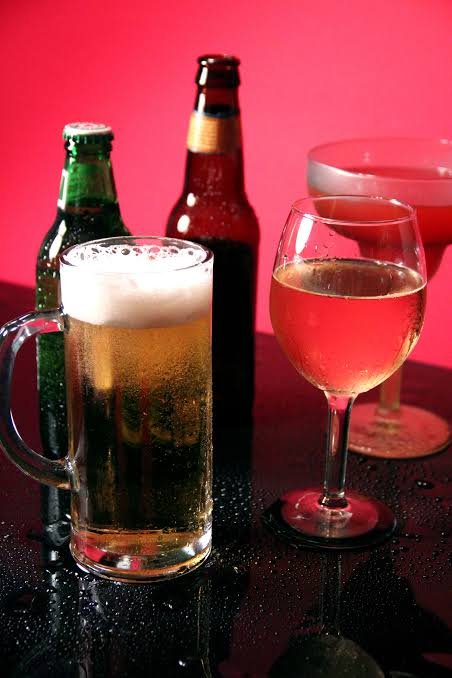
One “drink” is not a precise unit of measurement. A 500 ml glass of 5% beer, a 150 ml glass of 12% wine, and a 45 ml shot of 40% spirits may contain different or approximately equal amounts of alcohol, depending on the actual serving size. NIAAA therefore recommends assessing the amount of pure ethanol rather than simply counting glasses or bottles.
Drinking quickly, binge drinking, or drinking close to bedtime often causes blood alcohol concentration to rise rapidly and prolongs its effects throughout the night. In addition, the U.S. Centers for Disease Control and Prevention advises people with liver disease, certain cardiovascular conditions, conditions requiring blood glucose control, or those taking medications that interact with alcohol to consult a healthcare professional before drinking.
People taking sedatives, sleeping pills, or opioids need to be especially cautious. The U.S. Food and Drug Administration warns that combining central nervous system depressants with alcohol can increase the risk of profound sedation and respiratory depression. For related information, readers can also refer to the guide on identifying alcohol units and the article about interactions between alcohol and medications.
Alcohol impairs sleep, physical performance, and male sexual health
The effects of alcohol should be viewed as a chain of causes. Alcohol affects the brain and sleep rhythms; fragmented sleep makes recovery less effective; meanwhile, the nervous system, blood vessels, and endocrine system all help regulate sexual function. The acute effects of a single episode of heavy drinking differ from the cumulative risks of prolonged regular drinking.
The next morning, drinkers may feel sluggish, have a headache, feel thirsty, struggle to concentrate, or experience slower reflexes. NIAAA describes these as common symptoms of post-drinking discomfort, associated with mild dehydration, disrupted sleep, digestive irritation, inflammation, and alcohol metabolites. A single episode of sexual difficulty under these circumstances is not enough to conclude that a chronic condition is present.
The most important point is that the initial feeling of excitement or confidence does not accurately reflect physical or sexual capacity. Alcohol impairs judgment and motor coordination, excessive drinking can also interfere with the ability to achieve or maintain an erection. Alcohol is therefore not a sleeping pill, an energy booster, or a means of improving sexual desire.
Alcohol disrupts sleep through 4 mechanisms
First, a review in Alcoholism: Clinical and Experimental Research found that alcohol may suppress REM sleep early in the night and then increase awakenings as its effects wear off. Second, an experimental study published in the American Journal of Physiology showed that alcohol may reduce nighttime melatonin, thereby disrupting the body's timing signals.
Third, NIAAA states that alcohol suppresses vasopressin, increasing urine output; waking to use the bathroom and feeling thirsty can fragment sleep. Fourth, AASM warns that alcohol relaxes the muscles of the upper airway, potentially worsening snoring and sleep apnea in people already at risk. These four mechanisms explain why a night of “sleeping like a log” can still end with a groggy morning.
Alcohol reduces physical performance from nighttime through the following day
When the liver metabolizes ethanol, acetaldehyde is produced before being broken down further. Acetaldehyde is toxic and contributes to inflammatory responses; together with mild dehydration and poor sleep, this process is associated with headaches, nausea, and fatigue after drinking. Feeling drained is therefore not simply a matter of “dehydration.”
Alcohol reduces reflexes, coordination, and judgment even when drinkers subjectively believe they are still fine. Do not drive, operate machinery, swim alone, or perform high-intensity exercise after drinking. Coffee or a cold shower may make drinkers feel more alert, but NIAAA confirms that these methods do not help the liver eliminate alcohol faster.
For people who exercise, a study in the European Journal of Applied Physiology found that consuming large amounts of alcohol after exercise reduced muscle protein synthesis under study conditions. Regular drinking may therefore make training and recovery more difficult, especially when combined with insufficient sleep. The guide to post-workout recovery can provide additional information on planning nutrition, hydration, and rest.
Alcohol affects male sexual health through 4 mechanisms
First, its depressant effect on the nervous system can reduce sensation, responsiveness, and control. Second, the NHS states that excessive drinking can make it difficult to achieve or maintain an erection because it affects nerve signals and circulatory responses. A subjective increase in desire during intoxication therefore does not guarantee better sexual function.
Third, fatigue, dehydration, and anxiety after an unsatisfactory experience can create psychological pressure for the next occasion; the NHS notes that stress and anxiety are factors that may be associated with erectile dysfunction. Fourth, a scientific review published in Andrology indicates that prolonged high-level alcohol use is associated with abnormalities in some semen parameters and reproductive hormones, although findings depend on the level of consumption and study characteristics.
It therefore cannot be claimed that every man who drinks alcohol will experience impaired sexual function. However, if erectile dysfunction, reduced libido, or abnormal ejaculation recurs, an andrological examination can help assess vascular, metabolic, endocrine, and psychological health alongside alcohol-use habits.
6 ways to reduce alcohol-related harm and 5 signs to seek medical care
Before a social gathering, many people prepare only the food without setting a drinking limit or planning how to get home. After drinking, they may turn to coffee, cold showers, or strenuous exercise to “sober up.” NIAAA states that no immediate measure can make the liver metabolize alcohol faster; the body needs time.
The most effective way to reduce harm is not to drink or to reduce the amount and frequency of drinking. If you still choose to drink, planning before, during, and after the gathering can help prevent certain dangerous situations. However, WHO notes that reducing consumption does not mean completely eliminating alcohol-related risks.
6 ways to reduce harm before, during, and after drinking
Set a limit before you begin. Specify the number of servings you plan to have and avoid binge drinking; the CDC recommends that people who choose to drink follow medical guidance appropriate to their individual health status.
Arrange an alternative to driving. Choose a designated driver who will not drink, take a taxi, or stay somewhere safe; the CDC confirms that driving impairment may begin before drinkers realize it.
Eat a balanced meal. Food may slow alcohol absorption, but eating a full meal does not prevent intoxication or neutralize ethanol.
Drink slowly and alternate with water. Water helps replace fluids, but NIAAA notes that it cannot accelerate alcohol metabolism.
Do not combine dangerous substances. Against combining alcohol with opioids, sleeping pills, or sedatives; the CDC also warns that caffeine does not reduce alcohol's effects and may cause drinkers to underestimate their level of intoxication.
Stop drinking early and let your body recover naturally. Do not induce vomiting, exercise strenuously, or take sleeping pills without medical advice; you may rehydrate moderately and follow guidance for establishing a consistent sleep routine.
5 signs that men need medical care or emergency assistance
One night of poor sleep may pass, but recurring problems will affect work, relationships, and safety. Delaying an assessment may allow sleep apnea, metabolic disease, cardiovascular problems, or alcohol use disorder to go undetected. Use the following five signs as a checklist:
Persistent insomnia or daytime sleepiness that markedly reduces the ability to work.
Loud snoring, pauses in breathing, or waking up gasping for air — signs that AASM recommends should be evaluated for sleep apnea.
Recurring erectile dysfunction, reduced libido, or abnormal ejaculation; the NHS recommends seeking medical advice when erection problems continue.
Frequently drinking more than intended, being unable to reduce consumption, or experiencing tremors, sweating, and restlessness when stopping; NIAAA advises people at risk of dependence not to stop abruptly on their own but to seek medical support.
Difficulty waking, slow or irregular breathing, seizures, continuous vomiting, confusion, bluish skin, or unconsciousness; NIAAA identifies these as signs of suspected alcohol poisoning requiring immediate emergency assistance.
While awaiting emergency assistance, NIAAA recommends not leaving the person alone; if they are lying down, place them on their side to reduce the risk of choking and monitor their breathing. Do not force them to drink coffee, take a cold shower, or vomit.
Previously, a drink close to bedtime may have seemed like a quick way to relax. After understanding the cycle linking alcohol, sleep, physical performance, and sexual health, you can make more proactive choices. The first step is simple: starting today, record your drinking times, the amount consumed, and your sleep quality for one week; then choose one feasible change, such as eliminating one drinking occasion, stopping earlier, or arranging not to drive.
If symptoms persist or a dangerous situation arises, seek medical help rather than trying to manage it yourself. This product is not a medicine and is not intended to replace medical treatment.