Comparing Fresh and Dried Lai Chau Ginseng
A Lai Chau ginseng root can become noticeably lighter after drying, with a firmer texture and stronger flavor. This change often makes buyers wonder whether dried ginseng is more “potent” or fresh ginseng retains more value. In reality, no single form is suitable for everyone. The right choice depends on the intended use, ability to divide portions, and storage conditions. Understanding the six differences below will help you avoid arbitrary dose conversions, reduce waste, and develop a more practical way to use ginseng.
Comparison of the Two Forms of Lai Chau Ginseng
Criterion | Fresh ginseng | Dried ginseng |
|---|---|---|
Moisture | High, close to its freshly harvested state | Most of the water has been removed |
Perceived weight | Heavier and plumper | Lighter and firmer |
Flavor | Fresher and milder | More distinct and intense |
Uses | Slicing, cooking, and infusing | Brewing tea and cooking |
Portioning | Requires preparation and weighing | Easy to divide by the slice |
Storage | Must be refrigerated and used soon | Must be kept airtight and protected from moisture |
The key difference lies in the water content. When water is removed, dried ginseng becomes lighter, while the remaining substances are concentrated into a smaller mass, resulting in a more pronounced flavor. Therefore, the same number of grams of dried ginseng should not be substituted for fresh ginseng. The dose should follow the label of the specific product. Fresh ginseng is suitable for plans involving prompt use or preparation of the whole root, while dried ginseng is more convenient when small daily portions are needed.
Moisture Changes Weight and Flavor Perception
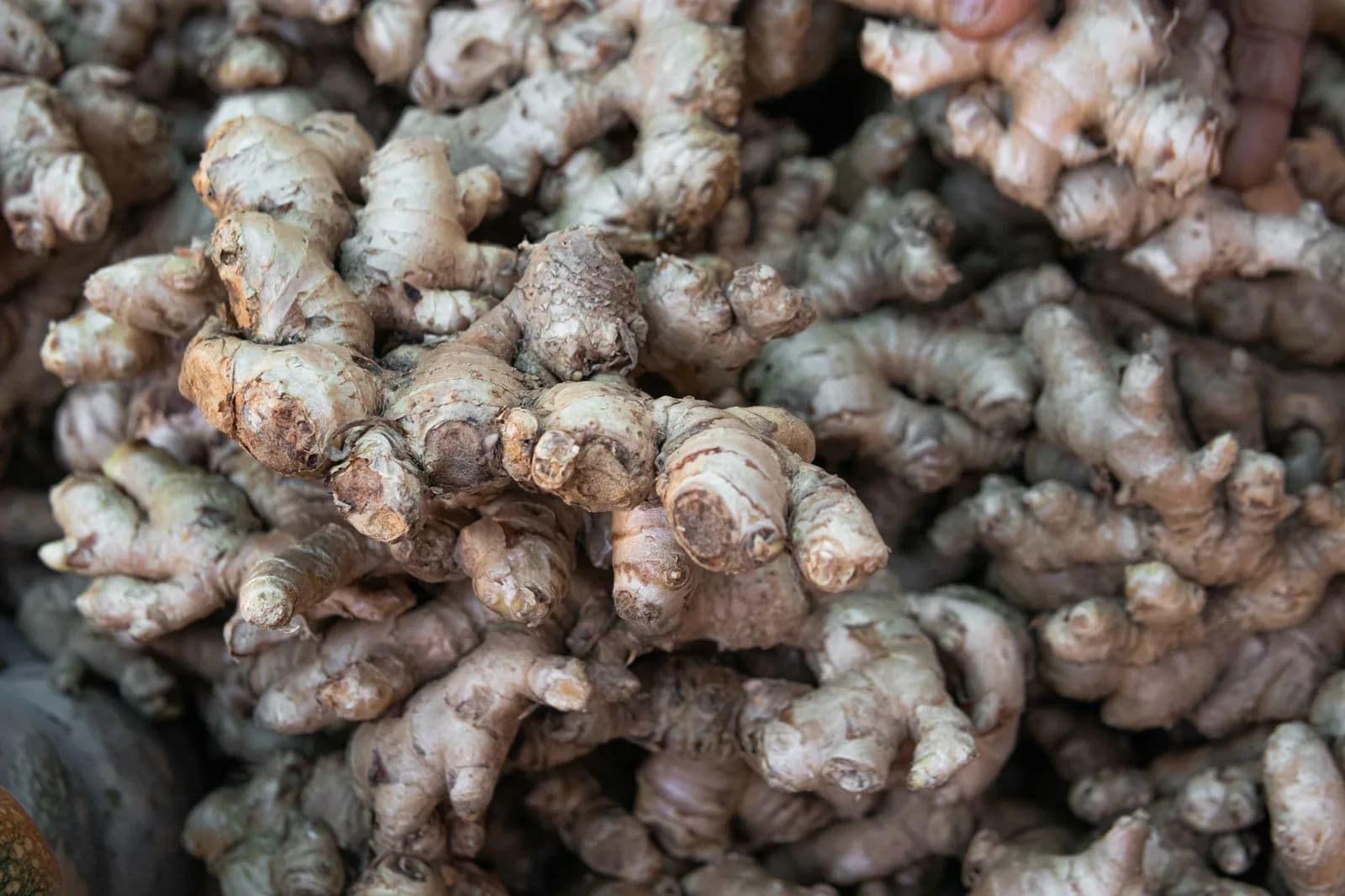
Fresh Lai Chau ginseng is usually still plump, has a surface that readily loses moisture, and relatively soft root tissue. After drying, the root shrinks, the slices become harder, and the flavor is often more concentrated. These are readily noticeable physical changes, not grounds for concluding that the dried form offers superior benefits.
Weight loss also does not mean that all active compounds are lost in the same proportion. The extent of change depends on the temperature, duration, slice thickness, and drying equipment. Excessively high drying temperatures may darken the color, alter the aroma, or affect certain heat-sensitive components. Therefore, the finished product's weight is only meaningful when considered alongside its processing method and portion instructions.
Processes Produce Different Forms of Dried Lai Chau Ginseng
Low-temperature drying is primarily intended to reduce moisture for easier storage. However, “dried ginseng” is not an entirely uniform category. A product that has simply been cleaned and dried differs in color, aroma, texture, and degree of compositional change from one that has been steamed and dried repeatedly.
However, a dark-colored root does not automatically prove that it has been properly processed, is old, or is of high quality. When purchasing, read the label to identify the ingredient name, processing method, net weight, responsible entity, and instructions for use. The packaging must be intact, and the production batch and expiration information should be clear.
How to Use Fresh and Dried Lai Chau Ginseng
Using the wrong form often provides no practical benefit and can also be inconvenient: a large quantity of fresh root may spoil before it is fully consumed, while small dried slices may lead users to carelessly increase the amount. The problem becomes more serious when ginseng tea, honey-infused ginseng, and supplements are consumed on the same day without being counted together.
The solution is to choose an easy-to-control preparation method and follow the dose stated on the label. There is no single amount applicable to every type of fresh ginseng, dried ginseng, or extract because their moisture levels and concentrations differ. It may be preferable to use the product in the morning or early afternoon. If you experience excessive alertness, restlessness, or difficulty sleeping, avoid using it close to bedtime and seek professional advice.
Fresh Lai Chau Ginseng Is Suitable for Immediate Use
Wash and prepare only the portion you are about to use. After removing the soil with clean water, let the root drain, then cut it into thin slices to hold in the mouth or eat directly in the recommended amount. Knives, cutting boards, and containers should be clean to reduce the risk of contaminating the remaining root.
When infusing it in honey, the ginseng, jar, and utensils must all be clean and dry; the jar should be tightly sealed and checked regularly. Do not use the mixture if it develops unusual foam, ferments vigorously, or has an unusual odor. Ginseng liquor is unsuitable for children, pregnant people, anyone who must avoid alcohol, or those with related medical conditions; it also should not be regarded as a daily health drink.
Dried Lai Chau Ginseng Is Convenient for Brewing Tea and Cooking
For tea, use the instructed amount of dried slices and steep them in hot water for approximately 10–15 minutes. The light weight of ginseng slices does not mean you can add them without limit. When cooking porridge, soup, or stews, using a moderate amount helps maintain a balanced flavor and limits the accumulation of portions if you also drink ginseng tea that day.
A simple tip is to record the time, product form, and amount used on a secondary label or in a tracking log. This is especially useful when several people take ginseng from the same container and also helps identify which product may be involved if an adverse reaction occurs.
Choosing and Storing Lai Chau Ginseng Based on Four Criteria
Your choice should be based on four criteria: intended use, frequency of use, storage capacity, and origin information. Fresh ginseng is suitable when you already plan to prepare it soon and have reliable refrigeration. Dried ginseng is better suited to people who need to divide it into small portions, carry it with them, or use it over a longer period within its shelf life.
In addition, check the species name, growing region, age or harvest date if disclosed, testing information, and product label. An attractive appearance, a root with many nodes, or a dark color is not enough to verify its origin. Most importantly, a product that is easy to use but lacks traceability information is still not a prudent choice.
Safely Storing Fresh and Dried Lai Chau Ginseng
Fresh ginseng must be refrigerated according to the supplier's instructions, kept in clean packaging, and used soon. Inspect it before each preparation and discard the entire suspected spoiled portion if the root becomes slimy, moldy, or develops an unusual odor.
Dried ginseng requires an airtight container and protection from light, heat, and moisture. Remove it only with clean, dry hands or utensils, then immediately replace the lid. Do not continue using a product that contains insects, develops an unusual odor, or becomes moldy; cutting away the visible area does not eliminate contamination that may have spread to other parts.
Groups That Should Seek Professional Advice Before Using Ginseng
People who are pregnant or breastfeeding, children, people with underlying medical conditions, those preparing for surgery, or anyone taking medication should consult a doctor or pharmacist before use. Ginseng contained in tea, honey, liquor, and health supplements should be checked collectively to avoid using multiple forms at the same time.
Before making a choice, you may be standing between two products and looking only at their weight or root color. After comparing them, the decision becomes clearer: choose the form that suits your habits, store it properly, and keep portions under control. Start by reading the entire label, inspecting the packaging, and following the dose for each product. Stop using it if you develop any unusual symptoms; if you experience difficulty breathing or swelling of the lips or tongue, seek emergency medical care immediately.
This product is not a medicine and is not intended to replace medical treatment.