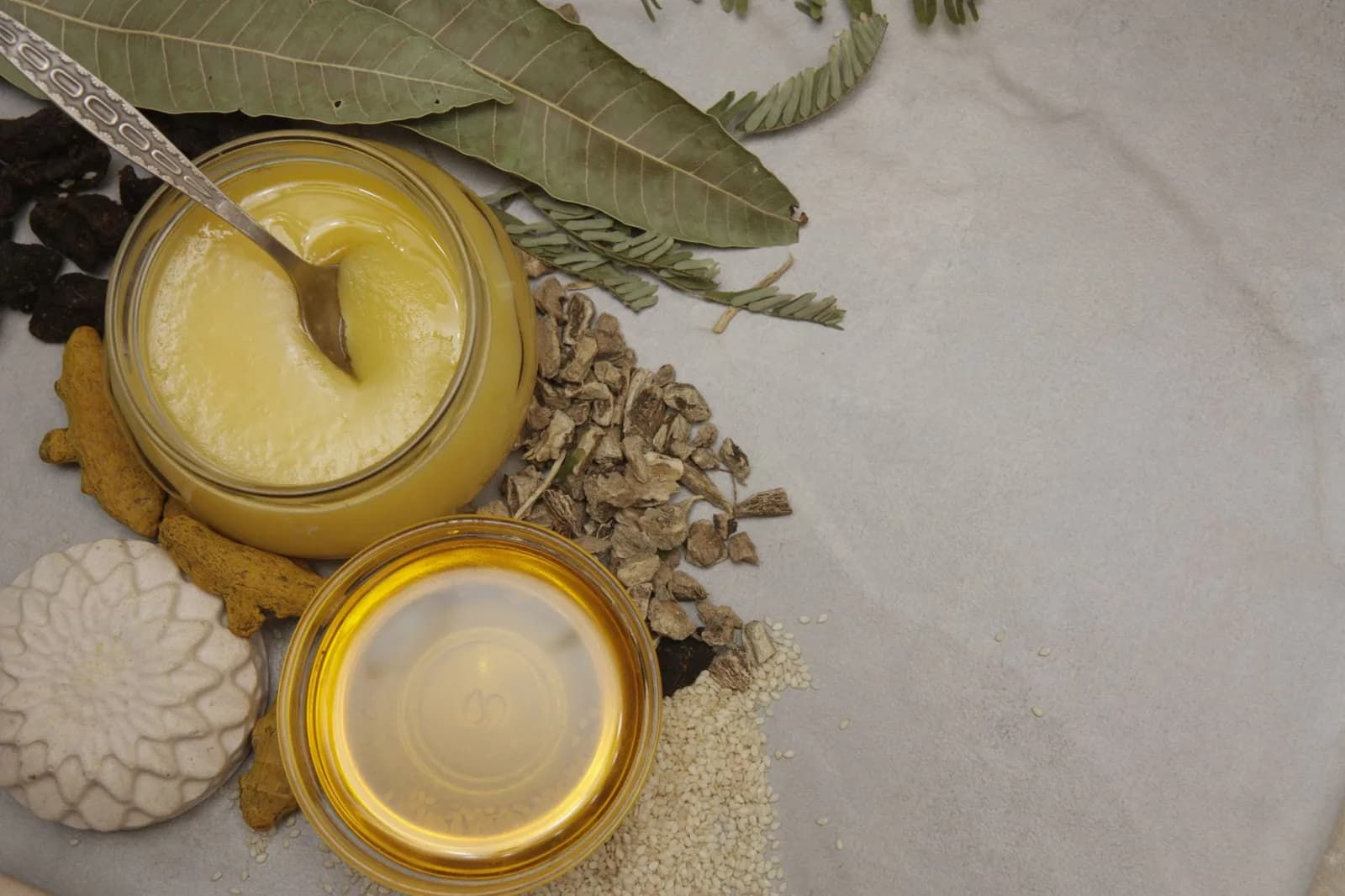
Is fresh or dried Sâm Ngọc Linh more suitable for soaking in honey?
A jar of ginseng that has been soaking for just a few days suddenly develops bubbles, the honey gradually becomes runny, and it has a slightly sour smell—this is a situation that leaves many beginners confused. The cause is usually not choosing the “wrong” ginseng, but rather the moisture remaining in the ingredients, the preparation method, and the ability to control the soaking jar. Fresh ginseng retains a flavor close to its original state; dried ginseng is more compact, easier to portion, and more convenient. Understanding these differences will help you choose the right form of ginseng and soak it in honey more consistently and safely.
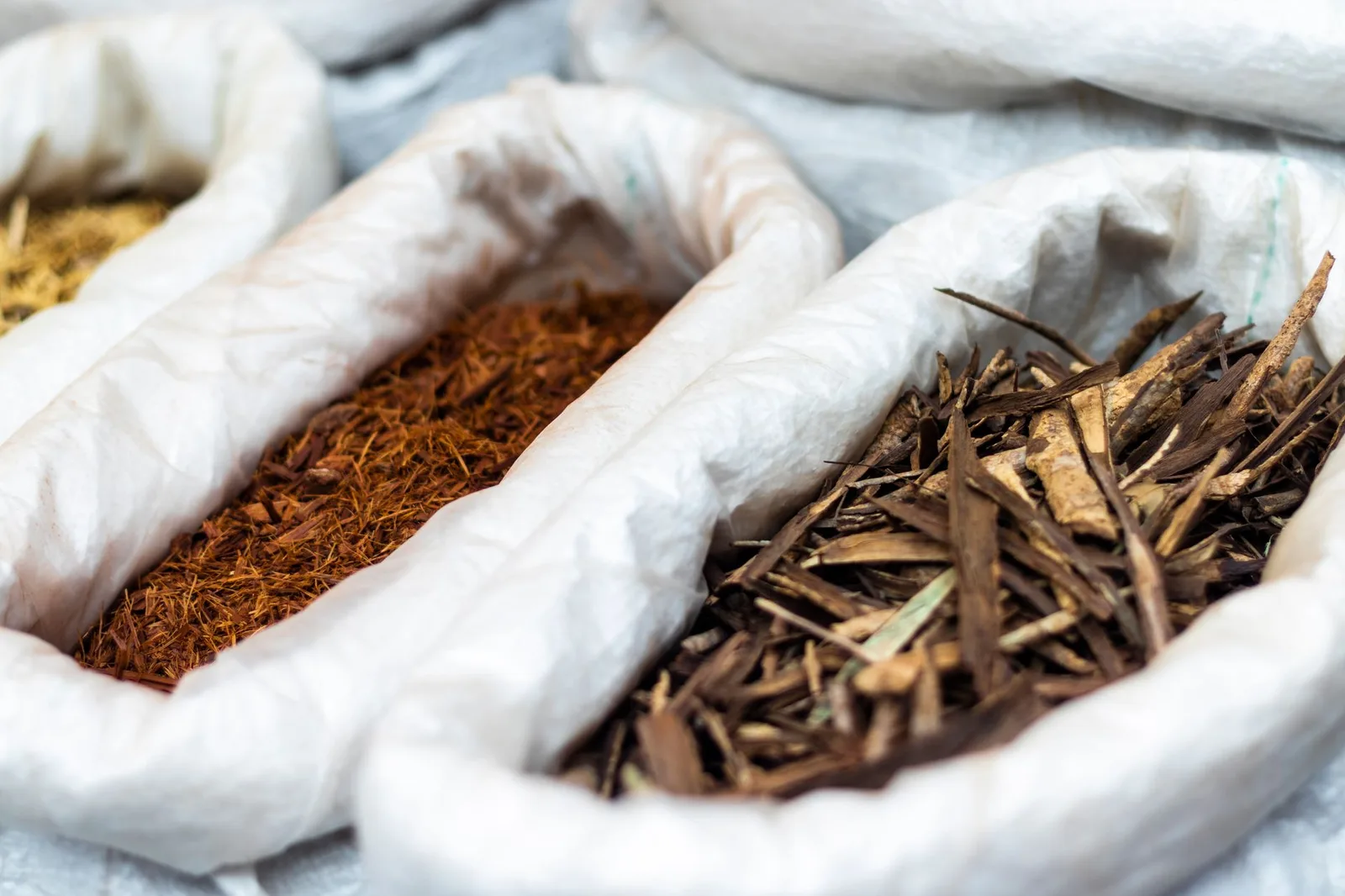
Fresh ginseng suits those who can control moisture well, while dried ginseng is more suitable when stable handling and convenience are priorities.
People who enjoy viewing the whole root and experiencing its delicate aroma and naturally sweet aftertaste often prefer fresh ginseng. Busy people who want to divide it into slices by serving size or store the ingredient longer may find dried ginseng more practical.
Comparing fresh Sâm Ngọc Linh and dried ginseng when soaking in honey
| Criterion | Fresh ginseng | Dried ginseng |
|---|---|---|
| Moisture | High; requires thorough air-drying | Lower |
| Flavor | Delicate, close to its original state | More intense and concentrated |
| Texture | Juicy, gradually softens | Dry, gradually expands as it absorbs honey |
| Preparation | More steps required | Simple, easy to weigh and portion |
| Risk of sourness and bubbles | Higher if moisture remains | Lower if stored well |
| Honey absorption | Slower | Tends to absorb honey and gradually expand |
| Actual cost | Includes water weight | Water weight has already been reduced |
The price per kilogram reflects only the initial purchase cost. Fresh ginseng contains a considerable amount of water, while dried ginseng has lost weight through the drying process. Therefore, consider the actual amount of ginseng placed in the jar, water loss, preparation effort, and the proportion of slices that meet requirements rather than comparing listed prices alone.
Fresh Sâm Ngọc Linh retains its natural flavor but is harder to stabilize
When a quality fresh ginseng root is cut, the slices remain juicy, with a light aroma and a bitter flavor that gradually turns into a sweet aftertaste. The shape of the root and its root branches are also suitable for those who want to soak the whole root for viewing or use ginseng slices that gradually soften in honey.
High moisture can make honey runny, especially when water remains in root crevices, on the knife, or in the jar. Therefore, fresh ginseng requires thorough surface air-drying and closer monitoring during the initial stage.
Fresh ginseng is suitable when you have newly harvested ingredients, know their origin clearly, have time for meticulous cleaning, and can check the jar regularly. If these conditions cannot be ensured, the beauty of a fresh root may not outweigh the inconvenience of storage.
Dried Sâm Ngọc Linh is convenient and tends to absorb honey
Dried ginseng has lower moisture, is easy to weigh into portions, and introduces less additional water into the jar. Uniform slices also help honey flow through the ingredient more easily. This is a worthwhile option when you prioritize easy handling or cannot soak all the ginseng you purchased right away.
The drying process makes the aroma and flavor more concentrated, but the texture is no longer as juicy as fresh ginseng. During soaking, ginseng slices tend to absorb honey and gradually expand; the extent depends on the drying method and slice thickness. Therefore, do not pack ginseng close to the mouth of the jar, to limit honey overflow and make it easier to turn the jar when needed.
Dried ginseng does not mean absolute stability. Open packaging can cause ginseng slices to reabsorb moisture, become soft, or take on odors from the storage area. Before soaking, check both sides of the slices, the cut edges, the aroma, and the packaging condition.
Three criteria for choosing the right form of ginseng
The first criterion is the desired experience. Fresh ginseng emphasizes natural flavor, a juicy texture, and an attractive appearance. Dried ginseng is easy to weigh and portion, requires less cleaning, and is convenient for preparing small jars. This is a difference in usage, not grounds for claiming that one form is “more nutritious” than the other.
The second criterion is the ability to control moisture, including time available for washing, air-drying, checking the jar, and storage conditions. The third criterion is origin, ginseng age, and traceability records. An attractive fresh root or evenly colored dried slices still do not sufficiently prove the identity and quality of the ingredient.
Ratios and methods for soaking Sâm Ngọc Linh in honey
There is no single fixed ratio for every jar. A whole root occupies space differently from thin slices; fresh ginseng has higher moisture than dried ginseng; jar size and honey thickness also affect the amount used. Therefore, prioritize the instructions provided with the ingredient and follow the general principle: ingredients and utensils must be clean and dry, and the ginseng must be fully covered with honey. Full coverage only helps limit contact with air; it does not guarantee that the soaking jar is safe.
For dried ginseng, leave space for the slices to gradually expand. You should record the soaking date, ginseng form, ingredient weight, and initial condition on the jar label for convenient monitoring of changes over time.
A stable soaking jar depends on the ingredients, moisture, hygiene, and storage method at the same time; simply increasing the amount of honey cannot correct preparation that is unclean or still contains water.
How to soak fresh Sâm Ngọc Linh in honey
Quickly rinse the root under clean running water, use a soft brush to remove soil from root crevices, and handle it gently to avoid bruising or peeling the skin. Do not soak the root in water for long, as prolonged soaking can increase surface moisture, making the root harder to air-dry and the small roots more likely to soften and become damaged.
Place the root on a clean tray and air-dry it thoroughly according to the principle above. Depending on jar size, leave it whole or slice it using a clean, dry knife and cutting board. Arrange the ginseng in the jar, then slowly pour in honey until it is fully covered. If slices float, you may use a dedicated food-safe weight without pressing too tightly. This is only a supportive measure to limit the ginseng's contact with air.
How to soak dried Sâm Ngọc Linh in honey
Check the ginseng slices before soaking. The slices should be in the described dry condition, not soft from moisture, and free of unusual odors. If the product has been properly cleaned and packaged, do not rinse it again, to avoid introducing additional water into the ingredient.
Place the ginseng in the jar without packing it full. Pour honey slowly along the inner wall of the jar, allowing it to flow into the gaps and push out as many air pockets as possible. Monitor the expansion of the slices and add honey as needed to maintain coverage, while remembering that this only helps limit air contact. Adjusting the method to the actual condition is more appropriate than applying one ratio to every slice thickness and degree of dryness.
Glass jars and honey determine stability
The glass jar should be intact, have a sufficiently wide mouth, a tight-fitting lid, and no chipped edges or odors remaining from previous use. After cleaning, allow the jar to dry completely, including the lid threads.
Honey should have a clear origin, contain no added water, and have no unusual odor. Honey from different floral sources may vary in thickness, thinness, or crystallization, so quality cannot be determined by consistency alone. Knives, cutting boards, tongs, and hands that contact the ginseng must also follow the clean and dry principles mentioned above.
Storing and using Sâm Ngọc Linh soaked in honey safely
During the first few days, observe the jar regularly. A few air bubbles appearing immediately after pouring may be trapped air escaping from between the ingredients; signs requiring caution are listed below.
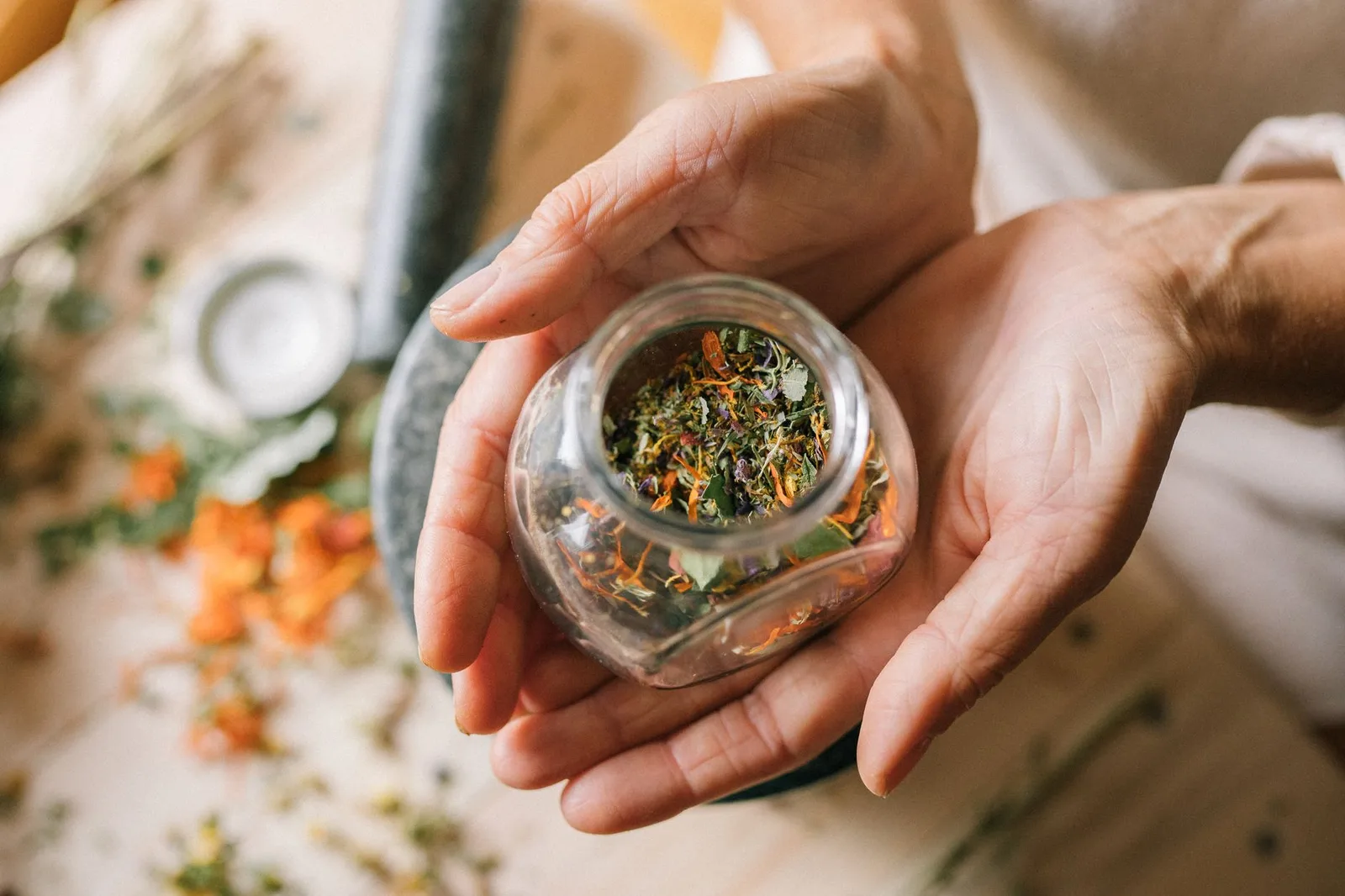
Do not set a storage time based on a commonly repeated number. Shelf life depends on ingredient moisture, hygiene, temperature, packaging, and the supplier's instructions. A longer soaking time does not prove that a jar is better; its actual condition and storage conditions are the basis for considering continued use.
Four signs to check when storing a jar of ginseng
The four groups of signs to observe are continuously increasing bubbles, a sour or fermented smell, unusually runny or separated honey, and mold or an unusual film. Do not assess the jar based on a single sign: a few bubbles immediately after pouring can be monitored further, but bubbles that continue to form along with unusual odors or conditions should be considered cautiously.
If suspicious signs worsen, stop using it and contact the supplier or a qualified professional. Keep the jar in a clean, dry place away from sunlight and heat sources. Conditions stated on the product label should take priority over word-of-mouth experience.
Clean, dry utensils help prevent the jar from spoiling
Each time you take out ginseng, use a separate spoon or pair of tongs according to the hygiene principles mentioned above. Take only the amount needed, close the lid immediately, and check whether the remaining ginseng is fully covered with honey; this coverage only helps limit air contact.
The portion removed should not be returned to the jar. Do not try to “save” a jar showing unusual signs by adding honey, heating it, or removing the surface layer. These methods do not guarantee that the problem throughout the entire jar is addressed and may create the false impression that the ingredient is safe.
Use should be based on the product and the user
Before use, read the recommended amount on the label or consult a qualified professional. Ginseng age, processing form, ingredient quantity, and the concentration of each jar are not the same. Any stated benefits should only be understood as health support consistent with the product profile, not used as grounds for self-treating illness or changing medication currently being taken.
Pregnant or breastfeeding people, children, people with underlying health conditions, or those taking medication should consult a doctor first. Those who need to control sugar intake must also include the amount of honey in their daily diet. When purchasing ginseng, check traceability records, growing area, ginseng age, and supplier information; the root's appearance is useful only for initial screening and is insufficient for verification.
The choice becomes clearer after comparing actual conditions: choose fresh ginseng when flavor is the priority and moisture can be well controlled; choose dried ginseng when convenience, easy portioning, and simple handling are needed. Compare the table, choose the suitable form of ginseng, then check traceability records, label instructions, and the condition of the ingredients before soaking.
This food is not medicine and is not intended to replace medical treatment.