

Comparing Freeze-Dried and Heat-Dried Sâm Ngọc Linh
A ginseng root cultivated for many years can change significantly after just one drying step. If you need to preserve ginseng for a long time while maintaining its raw-material characteristics, you should not judge it solely by attractive slices or the phrase “high technology” on the packaging. Freeze-drying removes water under frozen, low-pressure conditions, while heat drying uses a controlled heat source to evaporate water. This difference directly affects shape, texture, color, rehydration capacity, and the cost of the finished product. Properly understanding the comparison table below will help buyers choose a product based on their needs rather than paying extra merely for the name of the technology.
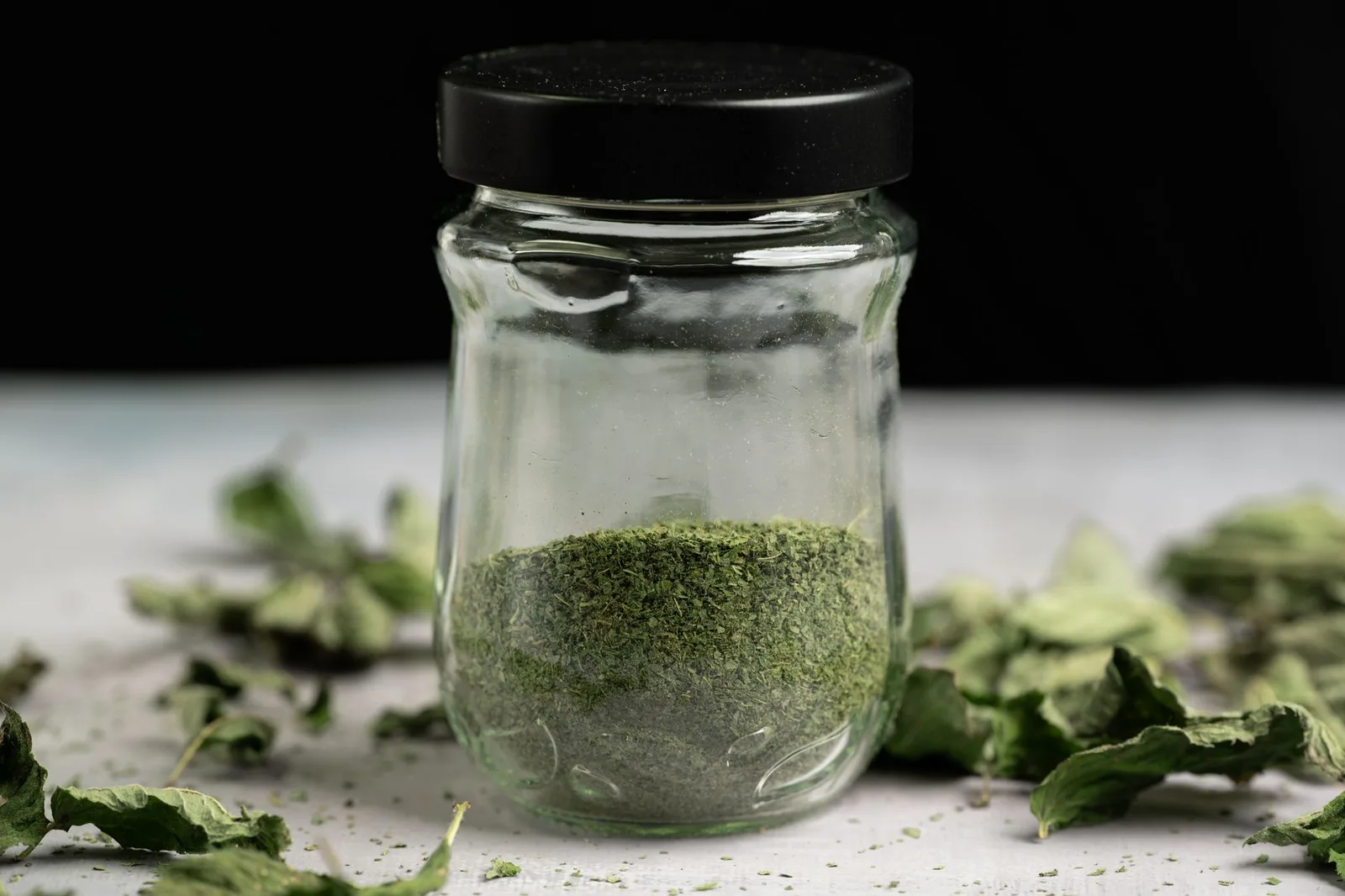
However, the drying method is not the only factor determining quality. Whether the original ginseng root is the correct species and age and has been properly cleaned and prepared remains more important than its appearance after drying. Slice thickness, batch load, temperature, pressure, airflow speed, operating time, and process endpoint can all produce two very different batches even when the same technology is stated. Moisture-barrier packaging, seal integrity, and storage conditions then continue to influence product stability.
Comparison of the Two Drying Methods
| Criterion | Freeze-Drying | Heat Drying |
|---|---|---|
| Principle | Ice changes directly into vapor | Liquid water evaporates through heat |
| Environment | Freezing and low pressure | Hot air or a heat source |
| Time | Usually long and involves multiple stages | Usually shorter, depending on the parameters |
| Shape and color | Less shrinkage; color usually remains close to that of the raw material | May shrink and become darker |
| Texture | Light, dry, and porous | Firm, chewy, or crisp |
| Rehydration | Usually absorbs water quickly | Usually absorbs water more slowly |
| Heat exposure | Limited during most of the cycle | Depends on temperature and time |
| Cost and uses | High cost; suitable for grinding, direct consumption, and rehydration | More accessible; suitable for brewing, soaking, and processing |
The table presents typical trends rather than a standard for judging every product. A tightly controlled heat-dried batch may be more stable than an improperly operated or poorly packaged freeze-dried batch. The table should therefore be considered together with the batch documentation and test results.
What Is Freeze-Dried Sâm Ngọc Linh?
Freeze-drying typically involves three stages. First, the ginseng slices are frozen so that most of the water turns into ice. Next, the pressure in the drying chamber is reduced and just enough energy is supplied to allow the ice to change directly into vapor without passing through the liquid state. The final stage is secondary drying, which reduces the moisture still bound to the structure of the raw material. Correctly determining the endpoint is very important: stopping too soon leaves excessive moisture, while extending the process unnecessarily increases costs.
When ice crystals leave the ginseng slices, they create many small pores. As a result, the finished product is usually light, porous, minimally shrunken, and readily absorbs water again. This is a physical characteristic, not proof in itself of saponin content. Intact slices and a light color reveal only part of how the product was processed; determining its composition requires appropriate testing of the actual batch.
What Is Heat-Dried Sâm Ngọc Linh?
Heat drying uses hot air or a controlled heat source to move moisture from inside the ginseng slices to the surface, where it then evaporates. The result depends simultaneously on temperature, time, airflow speed, air humidity, and slice thickness. Slices that are too thick may be dry on the outside but remain moist at the core, while slices that are too thin can easily become brittle, shrink, or discolor if exposed to intense heat.
Controlled heat drying must be distinguished from sun drying or arbitrary heating. Equipment with sensors, uniform airflow, and clearly defined endpoint criteria enables manufacturers to control the drying batch more effectively. Therefore, not all heat-dried products should be assumed to be identical or always inferior to freeze-dried products.
Technological Differences Create Two Types of Finished Product
When two ginseng slices are placed side by side, the difference is often quite clear. A freeze-dried slice is light and porous, retains its surface contours, and may crumble when squeezed firmly. A heat-dried slice is usually denser and may be chewy or crisp depending on the drying conditions; its color may turn yellowish-brown, and it may develop a more pronounced roasted aroma if the temperature is high. When placed in water, the porous structure of the freeze-dried form generally allows water to penetrate more quickly.
But wait: an attractive color does not confirm that it is Sâm Ngọc Linh, and an intact slice does not prove that the product is rich in saponins. Sensory assessment merely helps detect abnormalities such as scorching, damp softness, mold, or unusual odors. Determining quality requires combining the species name, growing region, batch traceability, and test results.
How Drying Technology Affects the Quality of Sâm Ngọc Linh
The quality of dried ginseng should be considered across three dimensions. The first is chemical composition, including saponins and compounds that may be sensitive to heat, oxygen, or light. The second is physical characteristics such as color, aroma, shrinkage, porosity, and rehydration capacity. The final dimension is stability throughout the shelf life, which is strongly affected by residual moisture and packaging. Separating these three dimensions helps avoid mistaking an attractive ginseng slice for a product with comprehensive quality.
So, is freeze-dried Sâm Ngọc Linh good? This method has potential advantages in limiting shrinkage and exposure to high heat, but it does not guarantee that every compound remains completely unchanged. Claims such as “retains a certain percentage of saponins” or “achieves a specific moisture level” are worth considering only when accompanied by the test method, sample batch code, and the organization that conducted the testing. A general advertising figure should not be applied to every raw material and every production batch.
Technology creates the conditions for preserving quality; testing documentation reveals how well the finished batch actually performed.
Freeze-Drying Limits Heat Exposure to the Raw Material
During most of the freeze-drying cycle, the product temperature is maintained below that used in prolonged high-heat processes. Because water is removed while frozen, the structure of the ginseng slices is less likely to collapse, shrinkage is generally lower, and some heat-induced discoloration reactions can be limited. This is a clear advantage in terms of processing and sensory qualities, especially when a light finished product that is easy to grind or rehydrates quickly is required.
Whether freeze-drying preserves the nutrients in ginseng also depends on each individual compound. The freezing rate determines the size of the ice crystals; pressure and energy input affect the rate at which vapor escapes; and secondary drying influences the amount of bound moisture remaining. After processing, oxygen, light, and moisture can still alter the composition. Therefore, “freeze-dried” is not an absolute guarantee without data from the finished product.
Heat Drying Depends Closely on Temperature and Time
Heat drying always involves a trade-off. Raising the temperature can shorten the drying time but may cause the surface to dry rapidly, increase shrinkage, and raise the risk of changes in color, aroma, or sensitive compounds. Setting the temperature too low prolongs the process, exposing the raw material to air for longer and making uniform drying difficult if the airflow speed is inappropriate. A sound process must balance these variables rather than simply selecting a single temperature.
Moreover, heat drying offers practical advantages: the equipment is widely available, operation is simpler, and the cost is generally more accessible. When the manufacturer standardizes slice sizes, distributes the raw material evenly, monitors the product’s actual temperature, and checks the final moisture level, this method can still produce a stable finished product suitable for brewing, soaking, or further processing.
Moisture and Packaging Determine Stability
A dried product can still reabsorb moisture every time the bag is opened. This is particularly noteworthy for freeze-dried slices because their porous structure has a large surface area. If the packaging provides a poor moisture barrier or the seal is not airtight, the ginseng slices may soften, lose crispness, and become susceptible to spoilage. Limiting oxygen exposure is also important for maintaining color, aroma, and compositional stability.
When reading the label, preference should be given to products that clearly state the moisture specification, shelf life, storage instructions, and batch number. A desiccant packet is only a supporting measure and cannot compensate for punctured packaging or the habit of leaving the bag loosely closed. The phrase “freeze-drying technology applied” cannot replace test data and traceability information.
How to Choose Dried Ginseng Based on Needs and Evidence
A common problem is that buyers pay extra for the name of the technology without first verifying the raw material. The risk is even greater when the product does not clearly state the ginseng species, growing region, harvest age, or production batch. In such cases, light-colored ginseng slices and luxurious packaging can easily conceal gaps in the evidence. The solution is to evaluate the product in the correct order: authenticate its origin, check the quality of the batch, and only then consider the drying method and intended use.

No single option is suitable for every situation. Freeze-drying focuses on retaining shape, creating a porous texture, and supporting rapid rehydration, while heat drying may be more suitable for a particular budget or for uses that require firm slices. A higher price does not automatically mean higher quality, and an affordable price is not necessarily a sign of low quality.
Prioritize Origin Before the Drying Method
Before purchasing, check the scientific name Panax vietnamensis, growing region, age of the ginseng or harvest date, manufacturer’s name, batch number, and traceability method. This information should appear consistently on the label, documentation, and test report rather than being communicated only verbally by the seller.
The test report should correspond to the product and batch being sold. Notable items include identification or quantification of saponins, moisture content, and microbiological safety. A clear distinction must be made between finished-product testing and general research on Sâm Ngọc Linh: general research describes the potential of the raw material but does not confirm the quality of the package of ginseng in front of you.
Choose a Dried Form Suited to Its Intended Use
Freeze-dried ginseng is suitable when light, porous slices that are easy to grind into powder or rehydrate are needed. In return, the price is usually higher because of the freezing system, vacuum chamber, energy requirements, and processing time. When choosing this form, buyers should request quality evidence commensurate with the additional cost.
Heat-dried ginseng may be appropriate when a more economical price is prioritized or when a firm texture is needed for brewing, soaking, and processing. An important condition is that the manufacturer provides sufficiently clear information about the process and that the finished product has appropriate test results. For both forms, follow the serving size and instructions stated on the product.
Store Properly to Maintain Ginseng Quality
Before making a choice, buyers may find themselves comparing two nearly identical packages and knowing only how to compare prices. After reviewing the origin, test report, intended use, and storage conditions, the decision will be based on evidence rather than impressions. The bridge between these two situations is one simple action: check the documentation before paying.
Keep the ginseng in airtight packaging in a cool, dry place away from sunlight and heat sources. After opening, remove the product with a dry utensil and reseal it immediately; always follow the manufacturer’s recommended period of use after opening. Do not continue using the product if the ginseng slices become unusually damp or soft, develop mold or an unusual odor, or if the packaging loses its seal; scraping away the spoiled portion cannot confirm that the remainder is safe. If you are pregnant, have a medical condition, or take medication, consult a healthcare professional before use.