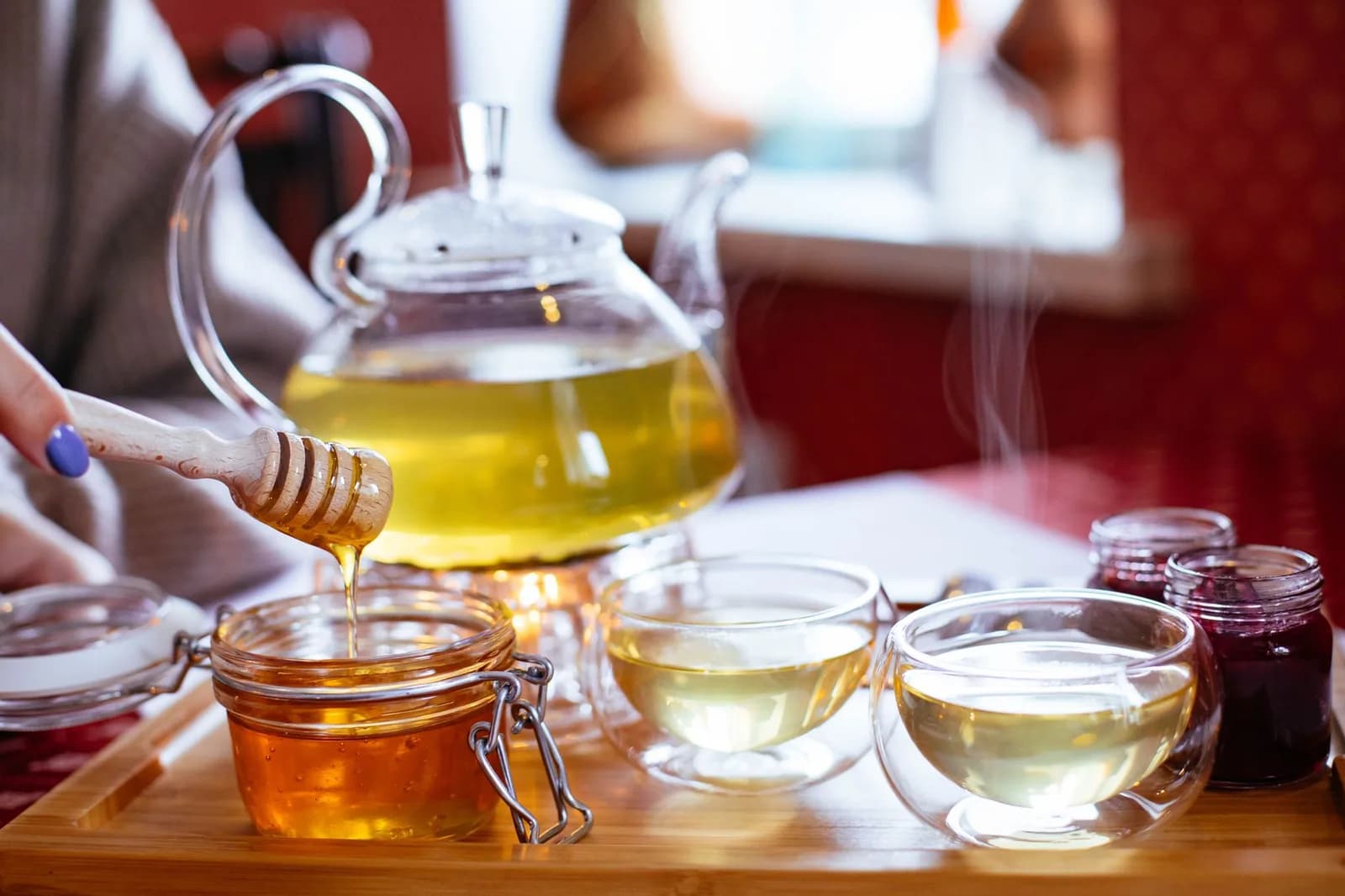
Honey only helps preserve the medicinal properties of Ngoc Linh ginseng
A fresh Ngoc Linh ginseng root is valuable, but after harvesting it contains a great deal of water and can easily deteriorate if handled improperly. Therefore, many people choose to soak it in honey, hoping both to keep the root from spoiling for longer and to preserve its active compounds intact for many years. However, “the ginseng root is still edible” and “its chemical composition remains unchanged” are entirely different criteria.
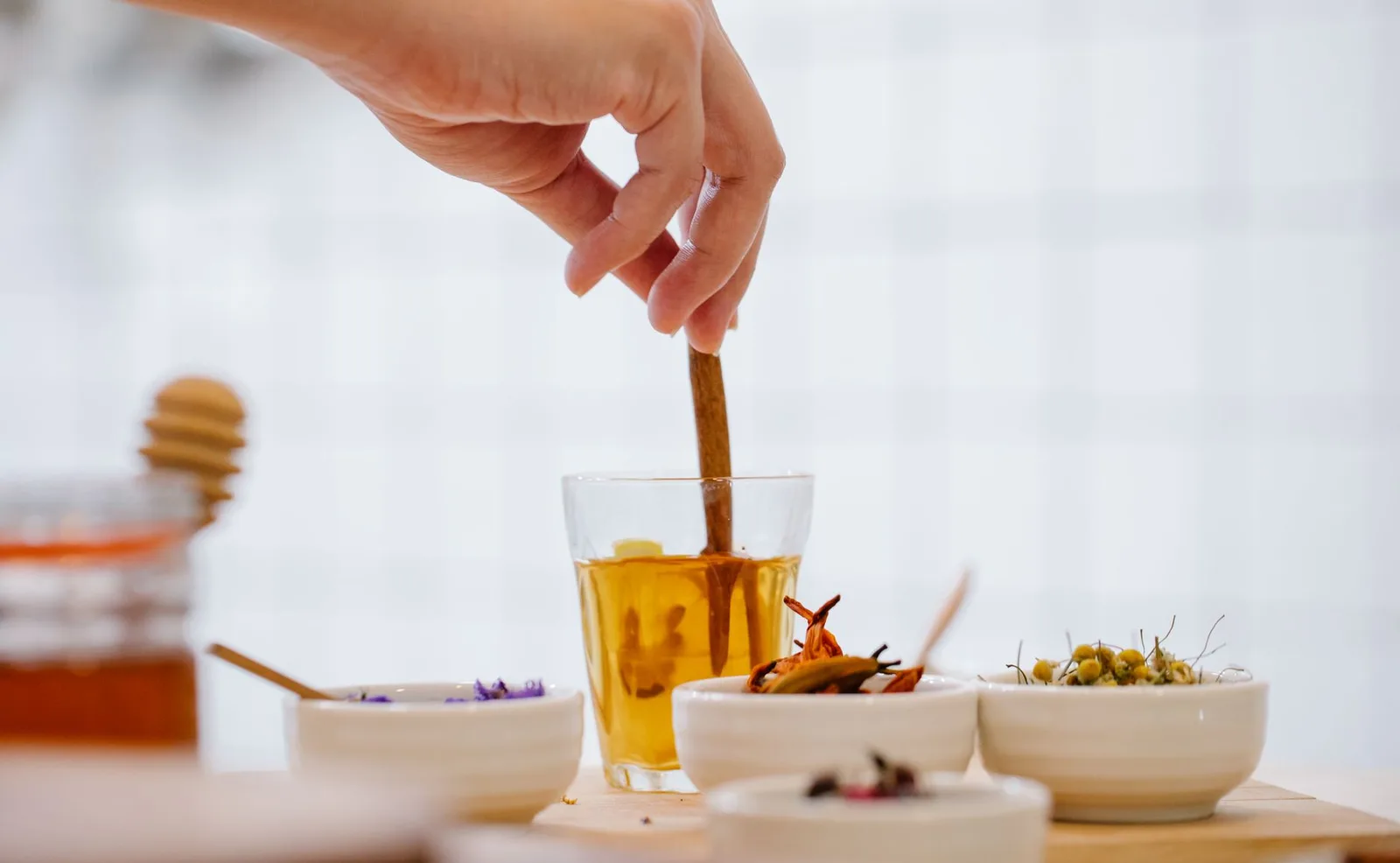
To directly answer whether soaking in honey preserves the medicinal properties of Ngoc Linh ginseng: concentrated honey may help slow certain spoilage processes, but there is insufficient basis to claim that all medicinal properties remain intact. Preservation capacity depends simultaneously on the characteristics of the ingredients, the soaking procedure, and subsequent storage conditions.
The commonly repeated claim that it “keeps for 2–3 years” cannot be applied universally. A jar of home-soaked ginseng without microbiological test data, active-compound measurements, and stability data at different time points cannot be assigned an expiration date based solely on the soaking date. Even if the jar has not developed mold, its contents may still change.
A notable advantage of this method is convenience: ginseng slices are easy to use, the bitterness is softened by honey’s sweetness, and the infusion can be divided into small portions. However, being easier to consume does not mean it has a stronger effect or that saponins are absorbed better. The guidance below will help control important variables rather than relying on a word-of-mouth recipe.
Three properties of honey that slow ginseng spoilage
Mature honey has a high sugar concentration and low water activity, meaning the amount of water available for microorganisms is limited. This characteristic may help slow the growth of many types of bacteria. Therefore, pure, concentrated honey is generally more stable than diluted sugar solutions.
In certain types of honey and under particular conditions, acidity, the capacity to form hydrogen peroxide, and natural compounds may help limit microorganisms. However, honey is not a sterile environment; sugar-tolerant yeasts and microbial spores may still survive. As water from the ginseng gradually dilutes the honey, its antimicrobial capacity may decrease, creating conditions for gas, alcohol, or sour flavors to develop.
Saponins may redistribute and change during soaking
Saponins and some soluble compounds may move from Ngoc Linh ginseng slices into the honey. Therefore, ginseng slices becoming less bitter does not mean all active compounds have disappeared; some may be present in the infusion. To assess the total amount remaining, both the ginseng slices and the honey portion must be considered.
However, preserving the total amount and keeping each constituent unchanged are two different matters. The composition may change over time and with storage conditions, especially when exposed to high temperatures, light, or oxygen. A clearly remaining bitter taste only reflects sensory qualities; it does not prove that the saponin profile remains intact as it was on the first day.
The effects of honey-soaked ginseng should be interpreted cautiously
Ngoc Linh ginseng contains many natural compounds, of which saponins are a group of interest. Honey provides carbohydrates and trace components that vary according to floral source. However, data on individual ingredients do not automatically become evidence for the combined finished product. Observations in the laboratory are also insufficient to accurately predict effects in the human body.
Claims that honey improves saponin absorption require appropriate data for confirmation. At present, it is more appropriate to regard honey-soaked ginseng as a dietary supplement, used in reasonable amounts and with limited expectations. Its pleasant sweetness is a sensory characteristic, not a guarantee of health benefits.
How to soak Ngoc Linh ginseng in honey in 3 steps
The soaking process should focus on three points: reducing excess water, limiting contamination, and controlling airtightness. The jar, lid, and preparation utensils must be clean, dry, free of cracks or scratches, and suitable for food contact.
The table below summarizes the three steps according to their control objectives. This is a practical framework, not a formula for establishing an absolute expiration date.
| Step | Objective | Main action | Risks to avoid | Signs to monitor |
|---|---|---|---|---|
| 1. Select ingredients | Reduce input risks | Check traceability and sensory condition | Spoiled ginseng, fermented honey | Odor, integrity |
| 2. Prepare | Reduce soil and excess water | Rinse quickly, dry, slice evenly | Soaking in water too long, heat drying | Dry surface |
| 3. Soak airtight | Limit oxygen and contamination | Cover with honey, seal the lid, record the date | Loose lid, wet utensils | Bubbles, odor, viscosity |
The soaking date is necessary traceability information, but it must be considered together with input quality, preparation practices, and storage conditions to assess the stability of the finished product.
Step 1: Choose ginseng and honey with clear origins
For Ngoc Linh ginseng, request information about the growing area, ginseng age or batch, and supplier. Authenticity should not be determined solely from root shape, node count, or skin color. Ginseng morphology can vary with age, soil conditions, and preparation methods. Honey should have a clear origin, intact packaging, and no signs of fermentation such as a sour smell, alcoholic odor, or unusual bubbling. If possible, honey moisture can be tested, but this indicator alone cannot predict the safety of the soaked batch.
Establishing a reliable expiration date requires proper evaluation of the finished product and relevant stability parameters.
Step 2: Clean the ginseng and allow it to dry completely
Rinse the ginseng quickly under clean running water and use a soft brush to remove soil from crevices in the root. Remove bruised, soft, discolored, or unusually smelling parts. Then slice it relatively evenly using a clean knife and cutting board so that the honey can contact the ingredients more consistently. Do not try to use spoiled portions, as honey cannot reverse deterioration.
Spread the ginseng slices on a clean surface, allow them to drain in a well-ventilated place, and avoid direct sunlight. Surface water may be gently blotted with food-safe material. Do not use high heat to shorten drying time, as this may alter sensitive compounds. The ginseng must be dry of external rinse water before soaking.
Step 3: Soak airtight and monitor quality daily
Arrange the ginseng slices in a dry jar, pour in honey until the ingredients are covered, and leave suitable headspace under the lid. Seal it immediately. If the slices float, adjust them only with clean, dry utensils.
During the first few days, observe the jar daily without opening the lid unnecessarily. Record the soaking date, ginseng batch, honey type, and storage location. Also monitor gas bubbles, pressure, odor when opened, viscosity, and the condition of the ginseng slices. This brief log helps identify when an abnormal sign first appears.
Five factors determining the stability of honey-soaked ginseng
The stability of a soaked batch depends simultaneously on the ingredients, excess water, hygiene, packaging, and temperature. Deviation in any one factor can affect quality and usable duration.
Ingredients determine the initial level of risk
Ginseng should be intact, not soft, bruised, or unusually smelling; honey should have a clear origin and show no signs of fermentation. For commercial products, compare batch information, ingredients, expiration date, and storage instructions on the label.
Excess water can dilute the honey
Water remaining on utensils, the ginseng surface, or released from fresh ginseng tissue can change the honey’s concentration. Therefore, viscosity and unusual signs should be monitored during storage.
Hygiene limits contamination during soaking
The jar, lid, knife, cutting board, and utensils used to take out ginseng must be cleaned before use. Do not use hands or place inadequately sanitized utensils into the jar, as this may increase the risk of contamination.
A sealed container helps protect the finished product
The jar should be intact, suitable for food contact, and have a tightly sealed lid. A few newly appearing bubbles may result from air trapped between ginseng slices, but if bubbles continue to increase or gas can be heard escaping, the jar may be fermenting. A swollen jar, sour odor, alcoholic odor, mold, or unusual sliminess are all warning signs; honey retaining an attractive color does not mean the batch is still safe to taste.
When suspicious signs appear, discard the entire batch. Do not taste it to check, do not skim off mold, and do not reheat it for reuse.
Storage temperature affects stability
The jar should be kept at a stable temperature, away from sunlight, hot stoves, and places with major temperature fluctuations. If refrigerated, avoid leaving the lid open for long to prevent water vapor condensation. Refrigeration may help slow changes in a product that remains safe, but it cannot restore a spoiled batch.
Each time you take some out, use a clean, dry utensil, reseal immediately, and do not pour leftovers back into the jar. For commercial products, follow the storage instructions and expiration date on the label, as this information is established for the specific formula, process, and packaging.
Previously, buyers might simply look for an attractive ginseng root, hear a promise to “preserve all medicinal properties,” and then keep the jar for years. A more appropriate approach is to choose traceable ingredients or finished products, carefully read the ingredients, use reasonable amounts, and monitor changes in the jar. Three principles to note include:
- Prioritize products with clear batch information, origin, ingredients, storage instructions, and expiration date; do not decide solely based on advertising claims of increased absorption or absolute preservation of active compounds.
- Do not give honey to children under 12 months of age. People who need to control blood sugar must include the sugar from honey in their total daily intake.
- Pregnant people, those with underlying medical conditions, a history of allergies, or those taking medication should consult a doctor or pharmacist before use.
A carefully prepared jar of ginseng should not only look appealing but also have its stability-related factors under control. Before beginning the soaking process, verify the ginseng’s origin, check the condition of the honey, and complete the cleaning and drying of the entire jar and all utensils.
This food is not medicine and is not intended to replace medical treatment.