

Do not give Andrographis to newborns without medical advice
When a baby has both a cough and fever, even a few minutes of waiting can make parents anxious and eager to reach for an herbal remedy available at home. However, in newborns, this seemingly “gentle” choice can delay the detection of an infection or respiratory failure. Do not give Andrographis to a newborn in any form unless a doctor has specifically prescribed it and provided dosing instructions. The first steps are to take the baby’s temperature correctly, observe their breathing, and contact a healthcare facility.
Andrographis is not a medication that can identify or treat the cause of a cough or fever. In particular, a baby with a fever during the first 28 days of life requires urgent assessment, even if the baby is still feeding or appears alert. The information below helps parents provide safe care while preparing to seek medical attention; it does not replace a diagnosis or an individualized care plan.
Evidence on the safety of Andrographis for newborns is limited
There is currently insufficient evidence regarding the effectiveness, appropriate dosage, and safety of Andrographis in newborns for families to weigh its benefits and risks on their own. Do not divide an adult dose according to the baby’s weight, follow word-of-mouth advice, or choose products that do not clearly state the appropriate age, concentration, and professional instructions.
Moreover, the label “herbal” does not mean completely safe. The concentration of active ingredients, purity, and excipients may vary among tablets, liquid extracts, powders, and combination products. A newborn’s body is still immature, so absorption and metabolism also differ from those of adults.
Side effects of Andrographis may be difficult to recognize
Andrographis may be associated with vomiting, diarrhea, rashes, or allergic reactions. In newborns, vomiting and diarrhea can quickly reduce the amount of fluid in the body, while a red rash may be mistaken for heat rash. Using the wrong formulation or dosage, or combining multiple products, makes assessment even more difficult.
Do not apply, administer through the nose, or pour medication into the baby’s mouth without medical guidance. If the baby has already received it, stop giving any more, keep the original packaging, and record the product name, amount given, time of administration, and any subsequent symptoms. These details help healthcare professionals assess the risk more accurately.
Caring for a newborn with a cough and fever while awaiting medical attention
A cough and fever in a newborn are difficult to assess based on appearance alone. The baby may still be feeding even while a respiratory problem or infection is progressing rapidly. Delaying medical attention or giving cough medicine or herbal remedies without advice may mask symptoms, cause adverse effects, and waste valuable time.
The safe approach is to monitor the baby systematically and seek prompt medical assessment. A newborn with a fever should not simply be kept at home for observation, even if the temperature temporarily falls after wiping the baby down. While waiting for transport or instructions, the goals are only to keep the baby comfortable, maintain regular feeds, and record symptoms—not to attempt treatment with Andrographis or cough medicine.
Measure the temperature and monitor breathing correctly
Use a digital thermometer instead of feeling the baby’s forehead. Record the exact reading, the time, and where the temperature was taken because measurements from the armpit, ear, and rectum are not fully equivalent. A baby under 3 months with a rectal temperature of 38°C or higher needs immediate medical attention; during the first 28 days of life, a fever requires urgent assessment.
When the baby is resting quietly, watch the abdomen and chest for rapid breathing, chest retractions, flaring nostrils, or grunting. Also check the color of the lips and skin, level of alertness, and ability to feed. There is no need to try to count the breathing rate while the baby is crying because the result may be inaccurate.
Keep the airway clear and maintain regular feeds
If the baby can still feed, breastfeed or offer the formula the baby normally uses in smaller, more frequent feeds. Monitor the number of wet diapers to assess fluid intake. Do not give the baby water, honey, or herbal infusions without medical advice; honey is particularly unsuitable for babies under 12 months.
Saline nasal drops and gentle suction may be used when nasal discharge is genuinely interfering with feeding. Avoid inserting devices too deeply, suctioning continuously, or using essential-oil steam. Dress the baby lightly, keep the room well ventilated, and completely avoid tobacco smoke. Do not apply cold compresses, wipe the baby with alcohol, or give fever reducers or cough medicines unless a doctor has specified the product and weight-based dose.
6 signs of cough and fever that require immediate medical attention
Most importantly, do not wait for Andrographis or cough medicine to “take effect.” A newborn with a temperature of 38°C or higher, a cough accompanied by breathing difficulties, or systemic abnormalities needs prompt assessment by a healthcare professional. A temporary reduction in fever does not rule out a serious condition.
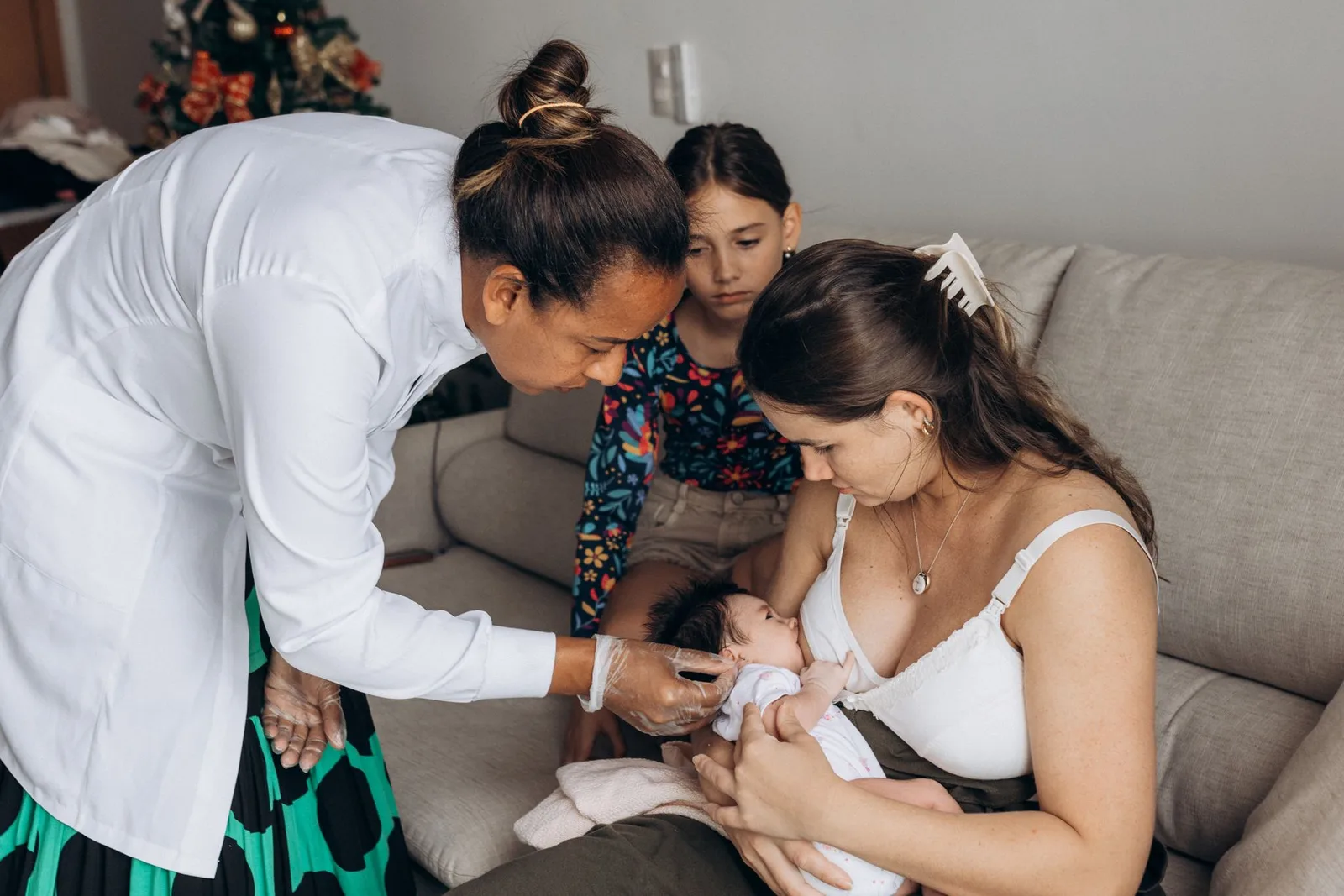
If the baby turns blue, stops breathing, has a seizure, is lethargic and difficult to wake, or shows clear signs of respiratory distress, call your local emergency services and follow their instructions. Do not drive yourself unless another person can continuously monitor the baby during the journey.
Recognize 6 warning signs in newborns
Parents can quickly check for the following six groups of warning signs:
- A temperature of 38°C or higher.
- Difficulty breathing, blue lips, chest retractions, grunting, or episodes of stopped breathing.
- Refusing feeds or feeding noticeably less than usual.
- Lethargy, weak responses, or difficulty waking.
- Seizures or abnormal movements.
- Persistent vomiting, frequent diarrhea, or a marked reduction in wet diapers.
Even a mild cough warrants attention if accompanied by rapid breathing or chest retractions. Trust the family’s day-to-day observations: if the baby is markedly different from usual, has pale skin, cries weakly, or is getting worse, seek medical attention even if not all the signs above are present.
Prepare information to help the doctor respond quickly
Before leaving, record when the cough and fever began, the highest temperature, where it was measured, the number of feeds and wet diapers, and any breathing-related symptoms. Tell the doctor if anyone in the household is currently ill. If it can be recorded safely, a short video of the baby coughing or making abnormal breathing sounds may also be helpful.
Initially, the family may notice only a cough and hastily look for an herbal remedy; with proper assessment, dangerous signs can be identified sooner. The safe next step is to contact a pediatrician or take the baby to a healthcare facility immediately, bringing the medical record, Andrographis packaging, medications, and any other products already used. Do not try to induce vomiting or give the baby anything else to “neutralize the medicine.”