Guidelines for using Lai Chau ginseng in hot weather
After a hot afternoon, some people may feel tired, take more ginseng late in the day, and then have difficulty sleeping at night. Increasing the serving based on how you feel can mask the real cause of fatigue, such as dehydration, irregular meals, or insufficient sleep. When ginseng, coffee, and sugary drinks are consumed one after another, it also becomes more difficult to identify what is causing palpitations, insomnia, or digestive discomfort. Therefore, the three factors that should be adjusted during hot weather are water intake, ginseng serving size, and timing of use.
Lai Chau ginseng is a medicinal herb or an ingredient used in certain health supplements. This is not the same as the refreshing “herbal drink” commonly made from cogon grass root, sugarcane, self-heal, or mulberry leaves. Although their names may sound similar, their ingredients, concentrations, methods of use, and intended users are entirely different; the serving size for one should not be applied to the other.
On sweltering days, plain water, balanced meals, and appropriate electrolytes remain essential. Ginseng does not replace water, nutrition, or medical care. To use it appropriately, first distinguish clearly between two goals: replenishing fluids to meet physiological needs and taking ginseng according to a predetermined serving size.
Water and electrolytes should take priority over ginseng
Heat and sweating cause hydration needs to vary according to activity level, environment, and physical condition. Drink water at regular intervals throughout the day rather than waiting until you are extremely thirsty and then drinking a large amount at once. Electrolyte solutions should be prepared and consumed according to the instructions; making them too concentrated may result in a higher intake of sugar or salt than intended.
Prepare a separate water bottle and take ginseng at a fixed time; do not treat ginseng tea as an unlimited refreshment. Feeling more alert does not mean that your body is adequately hydrated. If someone has a high body temperature, hot skin, confusion, fainting, or seizures, call emergency services immediately, cool them appropriately, and do not give them ginseng while waiting to see whether their condition improves.
The serving size of Lai Chau ginseng must follow the label and suit your physical condition
There is no single gram amount suitable for every product. Dried ginseng slices, fresh roots, extracts, capsules, and bottled beverages contain different concentrations. Therefore, read the amount per serving, frequency of use, combined ingredients, and limits stated by the manufacturer. First-time users should start at the lower end of the recommended range, keep the amount consistent for several days, and then assess their response.
Do not assume that hotter weather or greater fatigue means you need a higher dose. People with poor appetite, weakness, or those recovering from illness should be particularly cautious about taking large amounts on their own, because fatigue may be related to dehydration, an underlying condition, or an issue requiring medical evaluation.
Adjusting when and how to prepare ginseng in hot weather
Morning or midday is generally more convenient for taking Lai Chau ginseng and observing your response during the day. If you are prone to restlessness or insomnia, avoid taking it close to bedtime. A small change in timing can make it easier to distinguish whether discomfort is caused by the product, caffeine, or your daily routine.
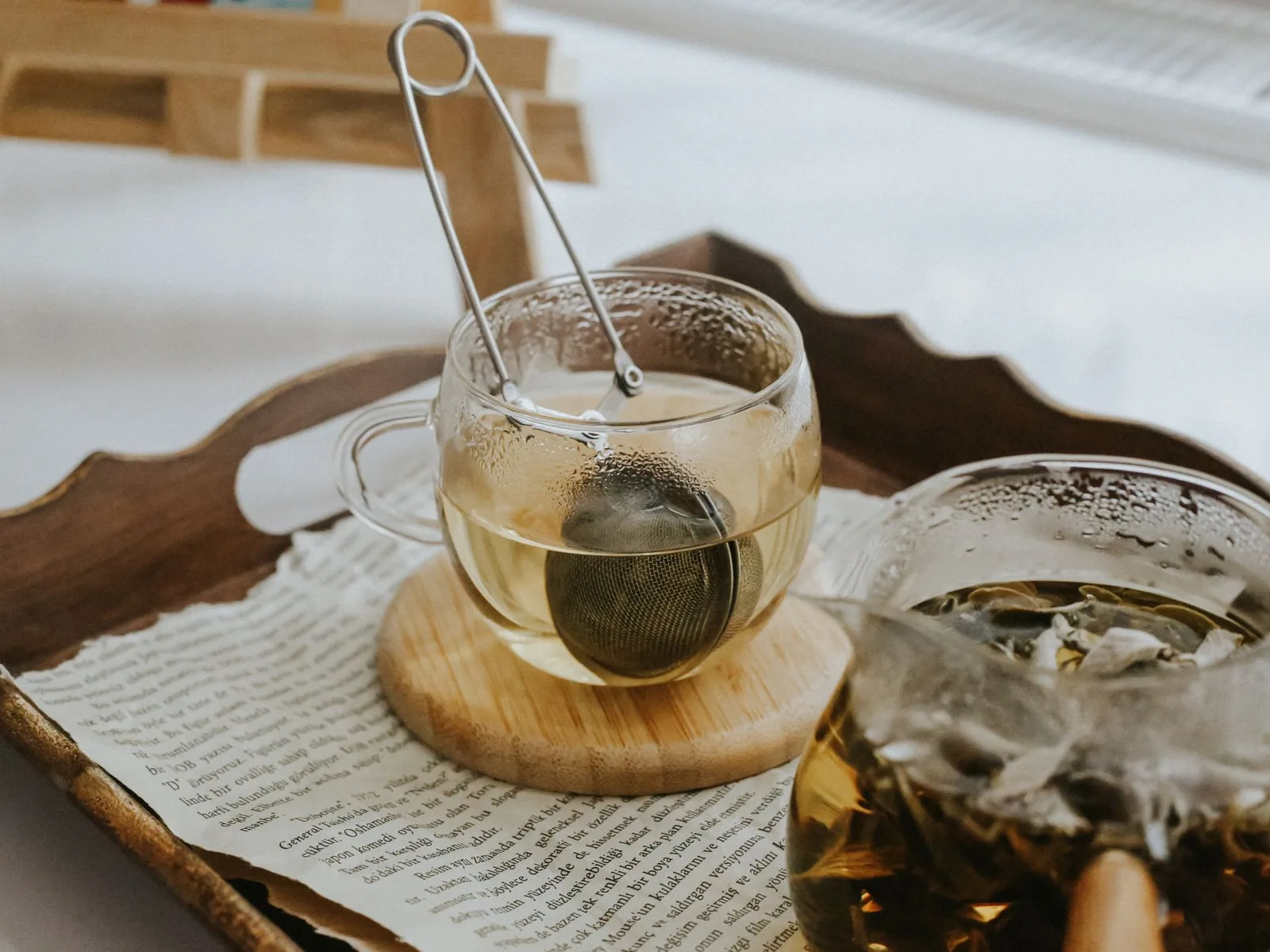
For example, on a hot day, a person could drink water regularly from the morning, take ginseng at the chosen time according to the serving size on the label, and not take additional ginseng when thirsty or tired in the late afternoon. If they have already had coffee that day, they should record it to make monitoring their response easier.
Prepare small servings and make only as much as you will consume at one time. For summer ginseng teas or dishes, reducing sugar helps limit unintended extra calorie intake. A bottle of sweet ginseng tea may be easy to drink when cold, but its sweetness can cause people to drink it faster and consume more than the intended serving.
Account for the total amount of caffeine from coffee, strong tea, and energy drinks consumed on the same day. When several factors accumulate, palpitations, restlessness, or insomnia may occur, making the cause very difficult to identify.
Dried and fresh ginseng require different preparation methods
For dried ginseng, use the amount and water temperature stated on the label. Do not assume that hotter water or a longer steeping time is necessarily more suitable. Fresh ginseng should be washed and prepared using clean utensils, divided into individual servings in advance, and refrigerated in a sealed container according to the product instructions.
Do not leave tea, ginseng dishes, or prepared products at room temperature for too long; follow the storage conditions on the label. Discard the product if it develops an unusual odor, discoloration, sliminess, foam, or a change in texture; do not taste it to check.
5 mistakes when using Lai Chau ginseng on hot days
The desire to “relieve fatigue quickly” often leads to the five mistakes below. The consequences extend beyond taking the wrong serving size and can also make it difficult to identify the cause of insomnia, palpitations, or digestive problems.
- Increasing the dose because of fatigue: follow the amount on the label, rest in a cool place, and rehydrate first.
- Drinking ginseng instead of water: prepare a separate bottle of plain water and do not take more ginseng in response to thirst.
- Preparing an entire day's supply in advance: portion the ingredients beforehand, but prepare only enough for each use.
- Adding too much sugar: gradually reduce the sweetness and check the sugar content of bottled products.
- Combining it with stimulants: separate ginseng from coffee, strong tea, and energy drinks; monitor your total intake throughout the day.
Monitor for 7 days to use Lai Chau ginseng more cautiously
A short journal helps replace subjective impressions with personal data. For seven days, use only one product, one amount within the limits stated on the label, and one relatively consistent time of day. Avoid changing multiple medications, supplements, or stimulants at the same time unless advised by a healthcare professional.
Each day, record the time of use, serving size, approximate water intake, meals, caffeine, sleep duration, and physical responses. Record even seemingly minor symptoms, such as difficulty falling asleep, bloating, or a rapid heartbeat after a particular time. A journal does not prove causation, but it can help identify unusual symptoms and enable a doctor or pharmacist to conduct a more systematic assessment; this monitoring method does not rule out interactions or risks that emerge later.
After 7 days: consider continuing as directed if you have no unusual symptoms, seek professional advice if you are uncertain, or stop using the product if an unusual reaction occurs. Do not increase the dose simply because you have not noticed the desired effect.
Who should consult a doctor before using ginseng
The need for advice depends on the specific product, its ingredients, current medications, and individual health status. Pregnant or breastfeeding women, children, people preparing for surgery, and those with cardiovascular disease, blood pressure problems, diabetes, or liver or kidney disease should consult a doctor or pharmacist before use. Tolerance and interaction risks in these cases cannot be assessed solely by how someone feels after taking it.
People taking medications that affect blood sugar, blood pressure, blood clotting, or the nervous system should provide their doctor or pharmacist with the product name, ingredient list, and intended serving size. Do not stop taking medication or change its dose on your own in order to use ginseng.
Signs that you should stop taking ginseng and seek medical attention
Stop using the product and seek advice if you experience persistent insomnia, palpitations, headache, dizziness, nausea, diarrhea, a rash, or a new symptom that recurs after each use. Call emergency services if you experience difficulty breathing, swelling of the lips or tongue, chest pain, fainting, confusion, or signs of heatstroke; do not try the product again on your own.
Previously, you may have taken more ginseng whenever you felt hot and tired. To change this habit, the action to prioritize today is checking the serving size on the label. The next step is to choose a suitable time in the morning or around midday and prepare a separate bottle of plain water; then begin a 7-day journal to monitor your tolerance. This approach helps replace subjective habits with more cautious and consistent use.