Preparation and 2 Ways to Use Lai Châu Ginseng Directly
You may drink ginseng tea in the morning, have honey-infused ginseng at noon, and eat a ginseng stew in the evening without realizing the total amount of ginseng consumed throughout the day. Safety depends on the product form, actual content, amount per serving, timing, and health status. Whichever method you choose, start with only one form, use a low amount within the recommended range, and monitor your response. The five methods below will help you choose an option suited to your taste and daily routine.
Preparing Fresh and Dried Ginseng Before Use
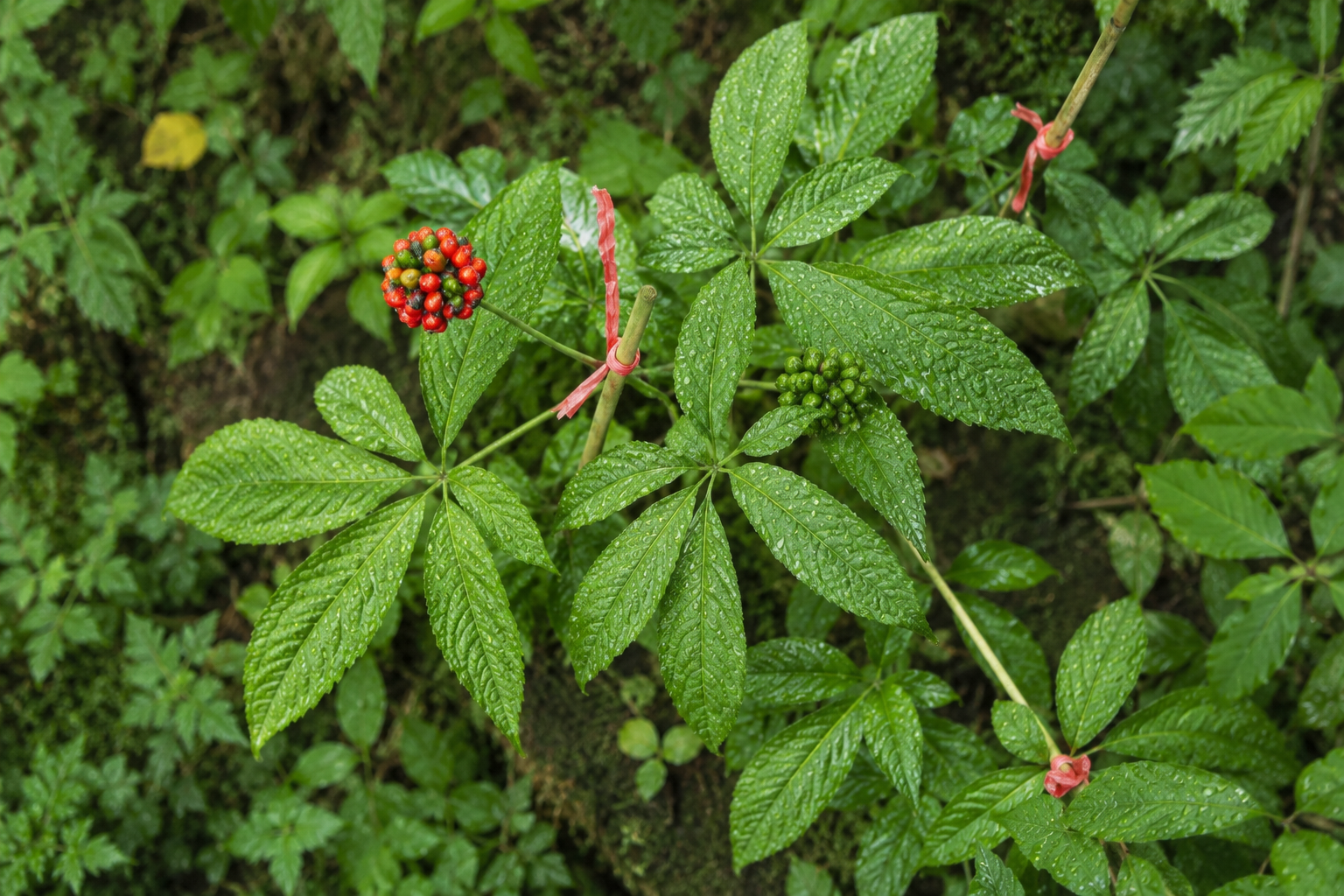
First, check the product name, growing region, responsible company, packaging date, and condition of the root. Fresh ginseng suitable for normal use should still be firm, not slimy, and free of dark, mushy areas or a fermented odor. Rinse the root quickly under running water, use a soft-bristled brush to remove soil from the crevices, and then let it drain completely. Do not soak it in a basin of water for a long time, as this makes it difficult to control hygiene and monitor the condition of the ingredient.
Fresh ginseng should be tightly wrapped, refrigerated, and used within the period stated on the packaging; dried ginseng should be kept in an airtight jar in a cool, dry place away from sunlight and moisture. A precision scale with fine increments is far more useful than estimating by eye. After weighing, divide the ginseng into individual portions and record the amount used each day. This simple habit is especially important if several people in the household use it.
Method 1: Holding Sliced Fresh Lai Châu Ginseng in the Mouth
Cut the ginseng into thin, relatively even slices, then weigh and pre-portion them. Hold each slice in your mouth and then chew it thoroughly rather than repeatedly taking slices from the container. This method requires little preparation, is easy to carry, and allows you to know exactly how much ginseng you have used. However, its pronounced bitterness and lingering aftertaste may be difficult for new users to get used to.
Start with a low amount according to the label or professional guidance, preferably in the morning. Watch for restlessness, headaches, insomnia, palpitations, or digestive discomfort. Ginseng does not produce an immediate sensation like an ordinary stimulant, so do not take another slice simply because you “do not feel any effect yet.” Avoid using it close to bedtime, do not use it as a meal replacement, and never stop taking prescribed medication on your own.
Method 2: Steeping Lai Châu Ginseng Tea for 10 Minutes
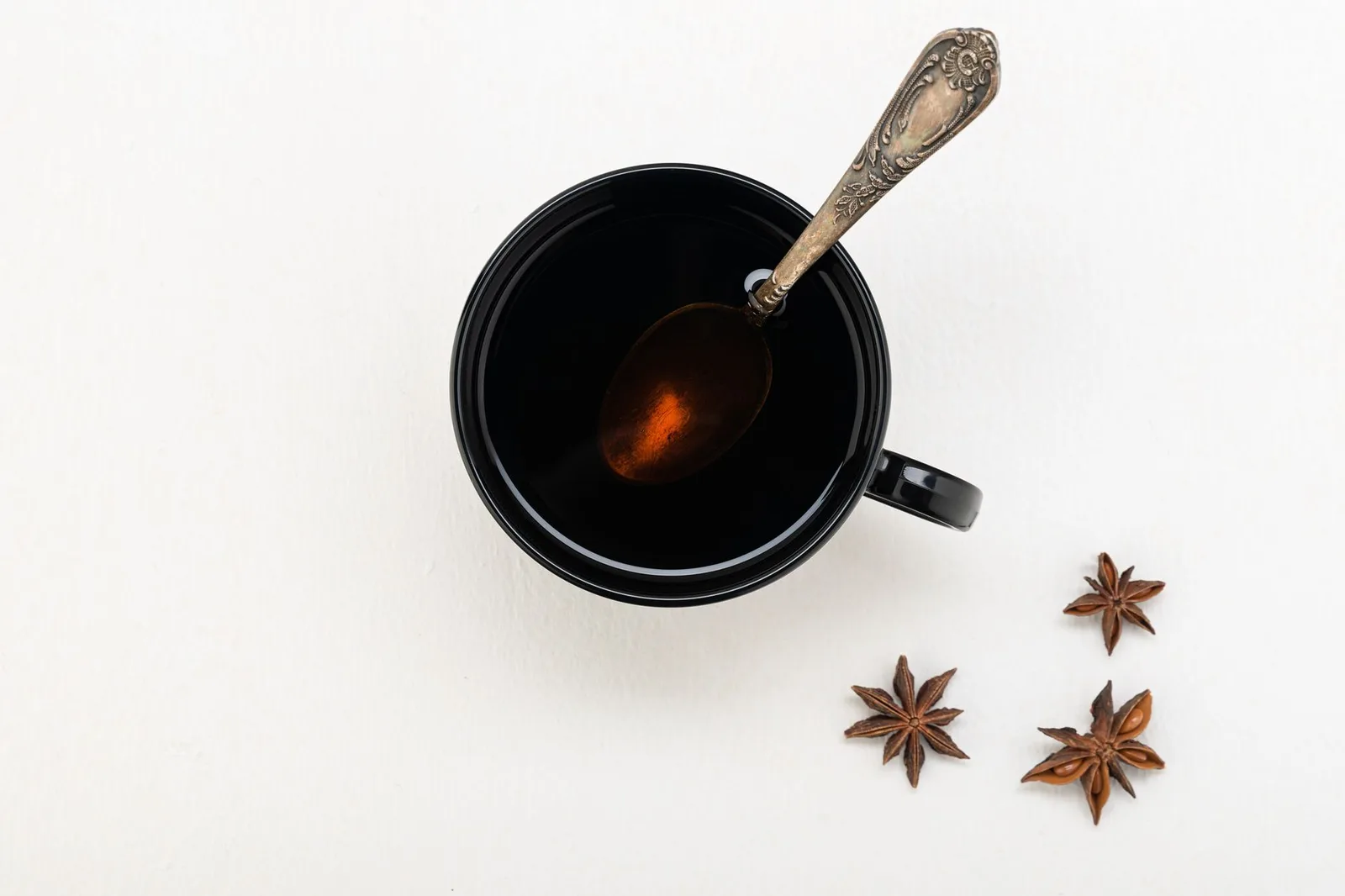
Place the weighed portion of ginseng in a clean teapot, add hot water, and steep for about 10 minutes. For a milder taste, add more water; for a stronger taste, extend the steeping time within reasonable limits rather than adding more ginseng on your own. Drinking it slowly, one sip at a time, in the morning or early afternoon makes it easier to monitor your response and helps minimize its effects on sleep.
You may add more water while the ginseng slices still have flavor, but the total daily amount is still calculated according to the initial weight of the ingredient, not the number of cups. Brewed tea should not be left at room temperature for too long. Discard any tea that develops a sour smell, unusual color changes, or signs of contamination. The teapot and utensils used to pick up the ginseng must also be clean to prevent the remaining ingredients from spoiling.
3 Ways to Prepare Lai Châu Ginseng for Different Circumstances
Honey, alcohol, and food are merely preparation methods or solvents; they do not automatically make the supportive effects of Lai Châu ginseng stronger. Each method offers a practical benefit: honey is easy to portion by the spoonful but adds sugar; alcohol preserves ginseng through infusion but carries alcohol-related risks; porridge and stews are easy to eat but difficult to portion accurately if shared by the whole family.
The choice should therefore be based on four criteria: storage requirements, portioning accuracy, taste, and underlying medical conditions. Do not look only at the size of the infusion jar. What matters is how much ginseng, sugar, or alcohol each serving contains. This is often overlooked when someone drinks tea in the morning, has honey-infused ginseng at noon, and then eats a ginseng stew in the evening.
Method 3: Infusing Lai Châu Ginseng in Honey
After cleaning, allow both the ginseng and the jar to dry completely. Cut the ginseng into even slices, place them in a clean jar with an airtight lid, and add honey from a clearly identified source according to the ratio recommended for the specific product. During infusion, watch for vigorous bubbling, overflowing, a sour smell, or unusual color changes. These may indicate that the mixture has fermented or no longer meets quality standards.
When using it, take each portion with a clean, dry spoon and account for both the ginseng and honey in every serving. Do not eat directly from the jar because saliva and moisture may introduce contaminants into the mixture. People with diabetes, those managing their blood sugar, or those who need to restrict sugar should consult a healthcare professional before use. Do not give honey to children under 12 months of age, including honey infused with ginseng.
Method 4: Making Lai Châu Ginseng-Infused Liquor at Home
Use only liquor with a clearly stated source and alcohol concentration, along with a clean, airtight jar designed for infusions. The label you add to the jar should include the infusion date, weight of the ginseng, volume, and alcohol concentration. This information helps prevent pouring a different amount each time or forgetting the storage period. If unusual sediment or odors appear, or if the quality of the liquor cannot be determined, discontinue use.
No level of alcohol consumption is entirely risk-free. Ginseng-infused liquor is unsuitable for pregnant or breastfeeding women, minors, drivers, people with liver disease, or anyone who must abstain from alcohol. Do not use ginseng liquor to treat disease, do not increase the amount because you have not noticed any changes, and do not use the fact that it “contains ginseng” as a reason to underestimate the effects of alcohol.
Method 5: Cooking Lai Châu Ginseng with Porridge and Stews
For porridge or stews, cut the ginseng into small pieces, weigh the total amount before cooking, and divide it evenly among individual bowls. This makes the dish easier to consume, but adding ginseng to a large pot and serving arbitrary amounts will result in uneven portions. You can keep the weighed ginseng separate and add it to each serving, allowing the cook to control the amount more accurately.
Do not assume that it is suitable for every member of the family. If children, pregnant women, people with underlying medical conditions, or those taking medication are present, separate their portions before adding ginseng. The amount of ginseng in food must still be included in the total daily intake, even if the person has already drunk ginseng tea or consumed honey-infused ginseng.
Lai Châu Ginseng Dosage and 4 Safety Precautions
The issue often lies not in a single slice of ginseng but in the total amount unknowingly accumulated from multiple forms. Tea-induced insomnia may be dismissed as “a minor issue,” palpitations may be ignored, and the user may then take another spoonful of honey-infused ginseng. The appropriate approach is to calculate the actual weight of ginseng, keep records, and try only one form during the initial period.
A single standard amount cannot be established for every product. Fresh and dried ginseng differ in moisture content, while extracts, powders, and combination products also vary in concentration. The specific dosage must be based on the label, age, underlying medical conditions, and medications being taken. The following table helps identify which units to monitor rather than providing an arbitrary dosage.
Method of Use | Unit to Monitor | Timing | Risk of Accumulation | Groups Requiring Caution |
|---|---|---|---|---|
Holding slices in the mouth | Weight of slices | Morning | Taking additional slices | People prone to insomnia |
Steeping tea | Initial amount of ginseng | Morning, early afternoon | Adding ginseng when refilling with water | People with cardiovascular conditions |
Infusing in honey | Ginseng and honey | As directed | Multiple spoonfuls per day | People restricting sugar |
Infusing in liquor | Ginseng and alcohol volume | Not before driving | Pouring arbitrary amounts | People who must avoid alcohol |
Cooking in food | Ginseng per serving | During meals | Sharing from one pot | People taking medication |
Calculating Lai Châu Ginseng Dosage for Each Form
A spoonful of a honey mixture, a glass of liquor, and a cup of tea cannot be considered equivalent without knowing the weight of the ingredient or the mixing ratio. Prioritize the information on the label of the specific product being used, start with a low amount within the recommended range, and do not increase both the amount and frequency at the same time.
During the first few days, keep a journal recording the form of ginseng, weight, timing, medications being taken, and physical reactions. If you consume ginseng in food, this must also be recorded. A journal helps identify links between the timing of use and insomnia, palpitations, or digestive problems, while providing clear information when you need to consult a healthcare professional.
Who Should Not Use Lai Châu Ginseng Without Guidance
Pregnant or breastfeeding women, children, people preparing for surgery, and those with liver disease, cardiovascular disease, blood-clotting disorders, high blood pressure, or diabetes should be assessed before use. Ginseng may be unsuitable with certain medications; anyone taking medication should consult a healthcare professional before use. Do not stop or reduce prescribed medication on your own to switch to ginseng.
Stop using it and seek medical attention if you experience difficulty breathing, swelling, a widespread rash, chest pain, or severe symptoms. For persistent insomnia, palpitations, headaches, or digestive problems, you should also contact a qualified professional rather than repeatedly reducing and increasing the dosage based on guesswork.
4 Mistakes That Make Lai Châu Ginseng Use Less Safe
Four common mistakes are assuming that a higher dose will be more effective, using several forms on the same day, trusting word of mouth over label instructions, and ignoring underlying medical conditions or current medications. A high price, an attractively colored root, or claims about the age of the ginseng are not sufficient to prove that a product is authentic.
Before purchasing, check the species name, growing region, age of the ginseng, responsible company, expiration date, storage conditions, and relevant documentation. To control your total daily ginseng intake, check the label, choose only one method of use, and record the amount of ginseng starting with the very first serving.
This product is not a medicine and is not intended to replace medical treatment.