

People Over 50 Need to Monitor Blood Pressure and Blood Glucose
An adverse reaction after taking Lai Chau ginseng is not always obvious. Sometimes, the first sign may be just one sleepless night, a few episodes of dizziness when standing up, or lower-than-usual blood glucose. Five familiar indicators can help families recognize these changes earlier: blood pressure, blood glucose, heart rate, sleep, weight, and waist circumference. Before taking it, record baseline levels for several days. This small step provides a practical basis for deciding whether to continue, make adjustments, or seek professional advice.
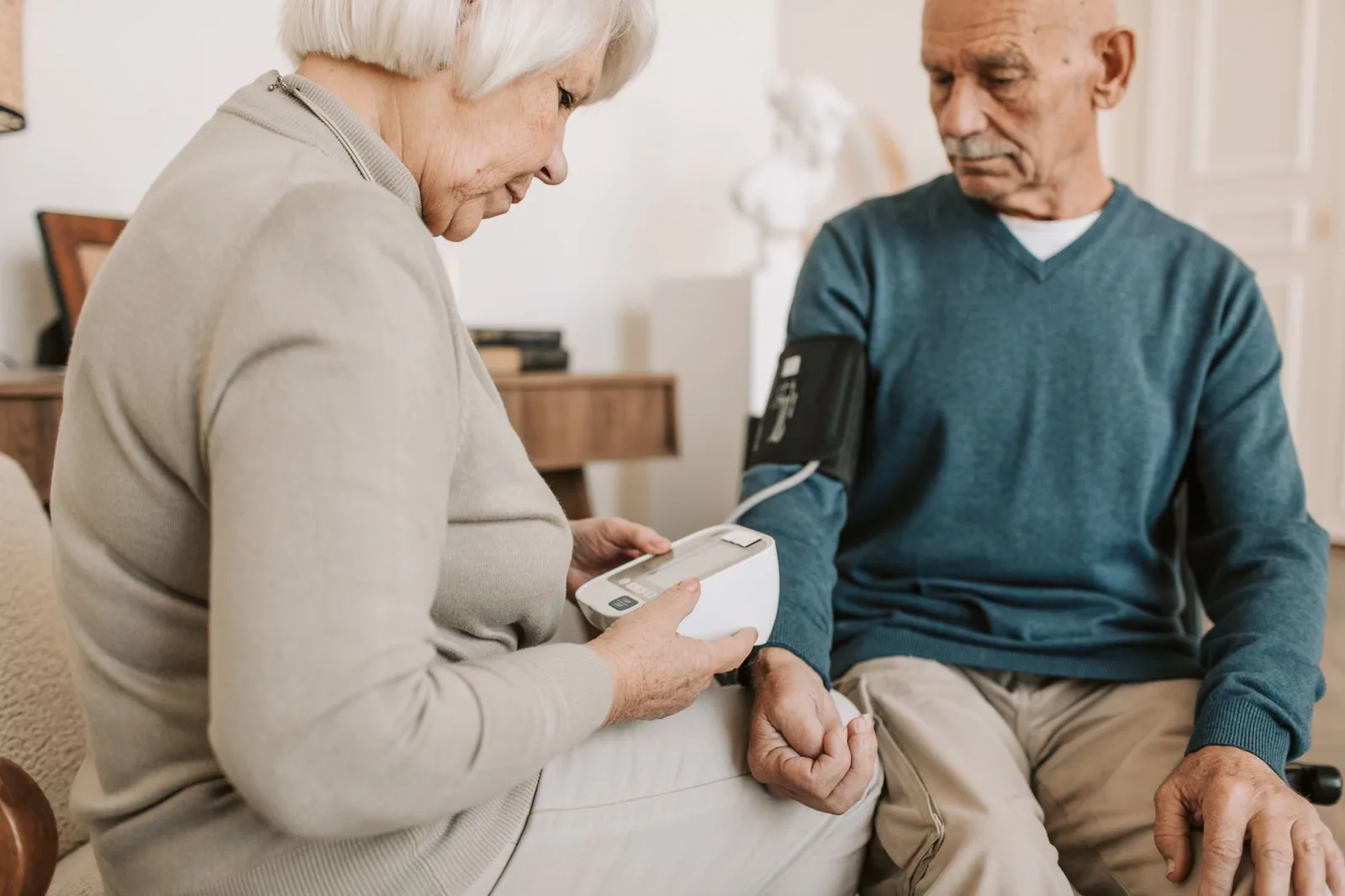
After age 50, many people have hypertension, diabetes, heart rhythm disorders, or liver or kidney disease at the same time and must take multiple medications. Cardiovascular and metabolic regulation may also become less adaptable, narrowing the margin of safety. If early fluctuations are overlooked and the product is continued, symptoms may gradually worsen without the user recognizing the connection.
It is important to note that evidence specifically concerning Lai Chau ginseng in humans remains limited. Findings about Asian ginseng, Sâm Ngọc Linh, or laboratory experiments should not automatically be extrapolated to the product being used. Systematic monitoring is not intended to prove that ginseng caused a change, but rather to help detect noteworthy signals and provide clear information to physicians and pharmacists.
Indicator 1 Is Blood Pressure Before and After Taking Lai Chau Ginseng
Measure it at the same time of day after sitting quietly for at least 5 minutes. For several days before taking the product, record both systolic and diastolic blood pressure to establish a baseline. Then compare a series of readings taken under similar conditions rather than drawing conclusions from a single unusually high or low reading. The log should also include when the ginseng was taken, medication times, headaches, dizziness, palpitations, and lightheadedness when standing.
Do not stop taking blood pressure medication or change its dosage on your own. If multiple readings fall outside the target set by your physician, contact a healthcare professional. Blood pressure of 180/120 mmHg or higher accompanied by chest pain, shortness of breath, weakness or paralysis, or confusion is a medical emergency.
Indicator 2 Includes Blood Glucose and HbA1c
People with diabetes should measure their blood glucose according to their individual plan, especially when using insulin or medications that may cause hypoglycemia. Trembling, sweating, intense hunger, a rapid heartbeat, dizziness, and confusion are signs that should not be ignored. If the meter shows a reading below 70 mg/dL, follow the hypoglycemia treatment plan provided by your physician.
HbA1c reflects trends over approximately 2–3 months, so it is not suitable for assessing an effect over only 14 days. In addition, the exact product form must be recorded. Ginseng infused with honey or rock sugar adds sugar and calories, while ginseng infused in alcohol adds alcohol. These accompanying ingredients can affect the results, so not every fluctuation in blood glucose can be attributed to the ginseng itself.
Three Health Indicators Reflect Heart Function, Sleep, and Metabolism
Resting heart rate, sleep, weight, and waist circumference provide additional information that blood pressure or blood glucose alone may miss. For example, blood pressure may not change noticeably, yet the user may experience persistent palpitations and difficulty falling asleep after switching the ginseng dose to the evening. When these data are viewed together, trends become easier to identify.
However, a change occurring after taking ginseng does not necessarily mean that ginseng is the cause. Coffee, strong tea, alcohol, dehydration, fever, stress, exercise, and prescription medications can all confound the results. Each indicator should therefore be measured under relatively similar conditions, while underlying conditions, current medications, and unusual events during the day should also be recorded.
Moreover, persistent abnormalities should be evaluated by a physician or pharmacist rather than managed by independently increasing or decreasing the serving size. A cautious approach is particularly important for people with heart rhythm disorders, persistent insomnia, or those taking multiple medications.
Indicators 3 and 4 Include Heart Rate and Sleep
Measure heart rate after sitting quietly for at least 5 minutes and at the same time each day. Also record palpitations, shortness of breath, chest pain, and medications that may affect heart rate, such as beta blockers or certain cold medicines. Before drawing conclusions, rule out recent exercise, caffeine, alcohol, fever, dehydration, and stress. A very fast, very slow, or irregular heart rate accompanied by fainting, chest pain, or shortness of breath requires urgent medical evaluation.
Each morning, rate sleep quality on a scale of 0–10 and record when the ginseng was taken, bedtime, total sleep duration, and the number of awakenings. If insomnia develops after starting the product, consider taking it earlier in the day and reviewing the serving size. If the condition does not improve or gradually worsens, temporarily discontinue the product and seek professional advice.
Indicator 5 Includes Weight and Waist Circumference
Weigh yourself in the morning while wearing similar clothing and under similar conditions. Waist circumference should be measured at the same location and time; do not pull the tape measure too tightly. Focus on trends over several days rather than worrying about fluctuations in body water over 24 hours. Waist circumference also reflects abdominal fat that BMI may not fully capture, especially as muscle mass decreases with age.
Record separately the amount of honey, sugar, or alcohol consumed with the ginseng, as these alter calorie intake. Rapid weight gain accompanied by swelling in the legs or shortness of breath requires medical attention; never reduce the dosage of diuretics or cardiovascular medications on your own.
A 14-Day Schedule Helps Make Lai Chau Ginseng Use Safer
The 14-day schedule is a tool for identifying trends and does not replace diagnosis, testing, or follow-up appointments. Days 1–3 are for establishing a baseline if use has not yet begun; days 4–13 are for consistent monitoring; and day 14 is for summarizing fluctuations, symptoms, and confounding factors.
Five-Indicator Monitoring Table
| Indicator | Timing | How to Record | When Action Is Needed |
|---|---|---|---|
| Blood pressure | At the same time of day | Systolic/diastolic | Repeated deviation from the target |
| Blood glucose | According to the individual plan | mg/dL and meals | Below 70 mg/dL |
| Heart rate | After resting for 5 minutes | Beats/minute and whether regular | Accompanied by fainting or chest pain |
| Sleep | Every morning | Score of 0–10 and number of awakenings | Progressively worsening insomnia |
| Weight and waist circumference | In the morning | kg and cm | Rapid increase accompanied by swelling |
Greater caution is needed if the user has hypertension, diabetes, liver or kidney disease, a heart rhythm disorder, or is taking multiple medications. Bring the product label and packaging to the consultation so that its ingredients, formulation, and actual serving size can be reviewed.
The 14-Day Log Should Include All 7 Information Fields
Each log entry should contain seven fields: date and time of use; product name and form; serving size; blood pressure and heart rate; blood glucose if measurement is required; sleep; and weight or waist circumference along with symptoms. During the 14 days, avoid trying multiple additional health supplements or changing medications on your own, because simultaneous changes will eliminate the basis for comparison.
Signs That Require Discontinuation and Medical Attention
Temporarily discontinue the product and contact a healthcare professional if you experience persistent palpitations, progressively worsening insomnia, repeated hypoglycemia, a rash, or readings that remain outside the baseline range. Call emergency services if chest pain, shortness of breath, fainting, weakness or paralysis, confusion, or a severe allergic reaction occurs; do not wait until the 14 days are complete or take more ginseng to treat the condition yourself.
Before monitoring, users may simply feel “a little different” without knowing exactly what has changed. After 14 days, a clear log can turn vague impressions into comparable data. Complete the log, compare it with the baseline, and discuss it with a physician or pharmacist before deciding whether to continue, reduce the serving size, or discontinue the product.
This product is not a medicine and is not intended to replace medical treatment.